Organic foods that help reduce advanced glycation end products (AGEs) are essential for promoting overall health and preventing chronic diseases. AGEs are harmful compounds that form when sugars react with proteins or fats in the body, contributing to inflammation and cellular damage. By incorporating organic fruits, vegetables, whole grains, and nuts into your diet, you can effectively lower your exposure to these compounds and support your body’s natural defenses against oxidative stress.
Prioritizing organic produce is crucial as it tends to have higher antioxidant levels and lower pesticide residues, which can further enhance your health. Cooking methods also play a significant role in AGE formation; for instance, high-temperature cooking methods such as frying or grilling can increase AGE levels in food. Instead, opting for steaming or boiling can help preserve the nutritional quality of organic foods while reducing the formation of AGEs.
The Impact of AGEs on Health
Advanced glycation end products (AGEs) can have detrimental effects on health, contributing to the development of various chronic conditions, including diabetes, cardiovascular diseases, and neurodegenerative disorders. The formation of AGEs accelerates oxidative stress and inflammation within the body, leading to premature aging and cellular dysfunction. Understanding the sources of AGEs is vital for making informed dietary choices.
Many processed and high-temperature cooked foods are significant sources of AGEs. Therefore, focusing on whole, organic foods not only helps reduce AGE intake but also provides essential nutrients and antioxidants that combat oxidative damage. This proactive approach can significantly improve overall health and longevity.
Key Organic Foods to Include
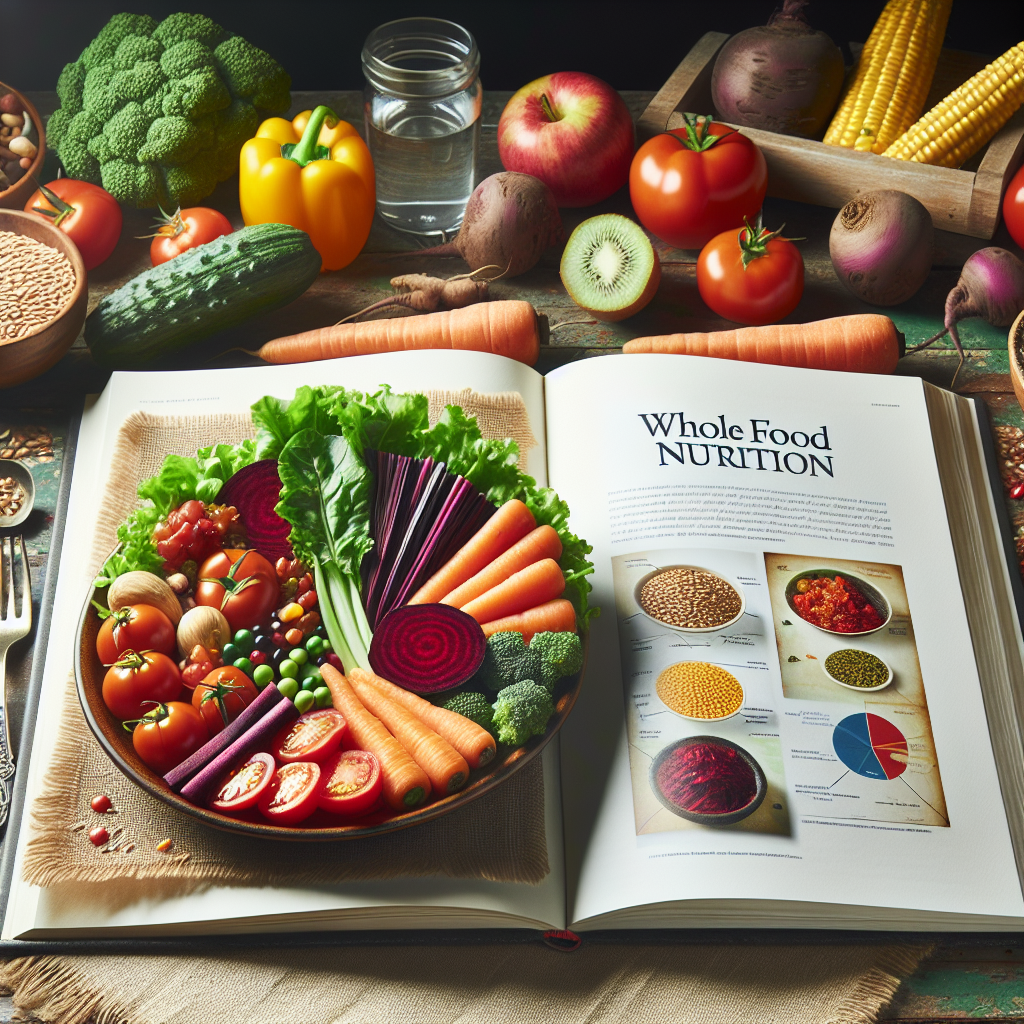
Incorporating a variety of organic foods into your diet can help lower AGE levels effectively. Foods rich in antioxidants, such as berries, leafy greens, and cruciferous vegetables, are particularly beneficial. These foods help neutralize free radicals and reduce inflammation, which can mitigate the harmful effects of AGEs.
Some key organic foods to consider include:
- Berries: Blueberries, strawberries, and blackberries are high in antioxidants and vitamins.
- Leafy Greens: Spinach, kale, and Swiss chard are nutrient-dense and low in calories.
- Cruciferous Vegetables: Broccoli, cauliflower, and Brussels sprouts contain compounds that support detoxification.
- Nuts and Seeds: Almonds, walnuts, and chia seeds provide healthy fats and protein.
- Whole Grains: Quinoa, brown rice, and whole oats are excellent sources of fiber.
Integrating these organic foods into your meals can enhance your nutritional intake while minimizing the risk of AGE-related health issues.
Cooking Methods That Reduce AGEs
The cooking methods you choose can significantly impact the formation of AGEs in food. High-temperature cooking techniques, such as frying, grilling, and broiling, can lead to increased AGE levels. Instead, consider healthier cooking methods that preserve the integrity of your organic foods.
Preferred cooking methods include:
- Steaming: Retains nutrients and minimizes AGE formation.
- Boiling: Reduces the concentration of AGEs in foods.
- Slow Cooking: Allows for tenderizing without the high temperatures that promote AGE formation.
- Microwaving: A quick method that can reduce cooking time and AGE formation.
By adopting these cooking methods, you can enjoy your meals while protecting your health and reducing AGE intake.
Practical Tips for Eating Organic
Transitioning to an organic diet can be a straightforward process with some practical strategies. Start by gradually replacing conventional produce with organic options, focusing on items known to have higher pesticide residues. Prioritize seasonal and locally-sourced organic foods to maximize freshness and nutritional value.
Planning meals ahead of time can also help you incorporate a variety of organic foods and minimize convenience food reliance. Additionally, consider growing your own herbs or vegetables if possible, as this ensures you have access to fresh organic produce.
Frequently Asked Questions
What are advanced glycation end products (AGEs)?
AGEs are harmful compounds formed when sugars react with proteins or fats in the body, leading to inflammation and cellular damage.
How can organic foods help reduce AGEs?
Organic foods are often richer in antioxidants and lower in harmful chemicals, which can help mitigate the formation of AGEs in the body.
Which cooking methods minimize AGEs?
Steaming, boiling, and slow cooking are effective methods that help reduce AGE formation compared to high-temperature cooking techniques.
Are there specific foods to focus on for reducing AGEs?
Yes, foods rich in antioxidants such as berries, leafy greens, and whole grains are recommended for reducing AGEs.
What are the health risks associated with high AGE consumption?
High AGE consumption is linked to increased inflammation, oxidative stress, and a higher risk of chronic diseases such as diabetes and cardiovascular diseases.
Further Reading
Authoritative Sources
- Advanced Glycation End Products in Foods and a Practical ...
pmc.ncbi.nlm.nih.govAnimal-derived foods that are high in fat and protein are generally AGE-rich and prone to new AGE formation during cooking. In contrast, carbohydrate-rich foods ...
- Advanced Glycation End Products (AGEs)
healthline.comFoods highest in AGEs include meat (especially red meat), certain cheeses, fried eggs, butter, cream cheese, margarine, mayonnaise, oils, and ...
- Using Spices to Reduce Glycation
deannaminich.comAdding spices to your cooking is a great way to minimize advanced glycation end products. Low AGE foods are fruits, veggies, whole grains, and ...
- Dietary Advanced Glycation End Products and Their Role ...
sciencedirect.comThe main factors determining the rate of AGE formation in food include nutrient composition (protein > fat > carbohydrate), temperature and duration of heat ...
Conclusion
Incorporating organic foods that help reduce advanced glycation end products into your diet is essential for maintaining health and preventing chronic diseases. Prioritize antioxidant-rich fruits, vegetables, and whole grains while adopting cooking methods that minimize AGE formation. By making informed dietary choices and focusing on organic options, you can significantly lower your risk of AGE-related health issues and enhance your overall well-being. Start today by integrating these foods and methods into your daily routine for a healthier lifestyle.