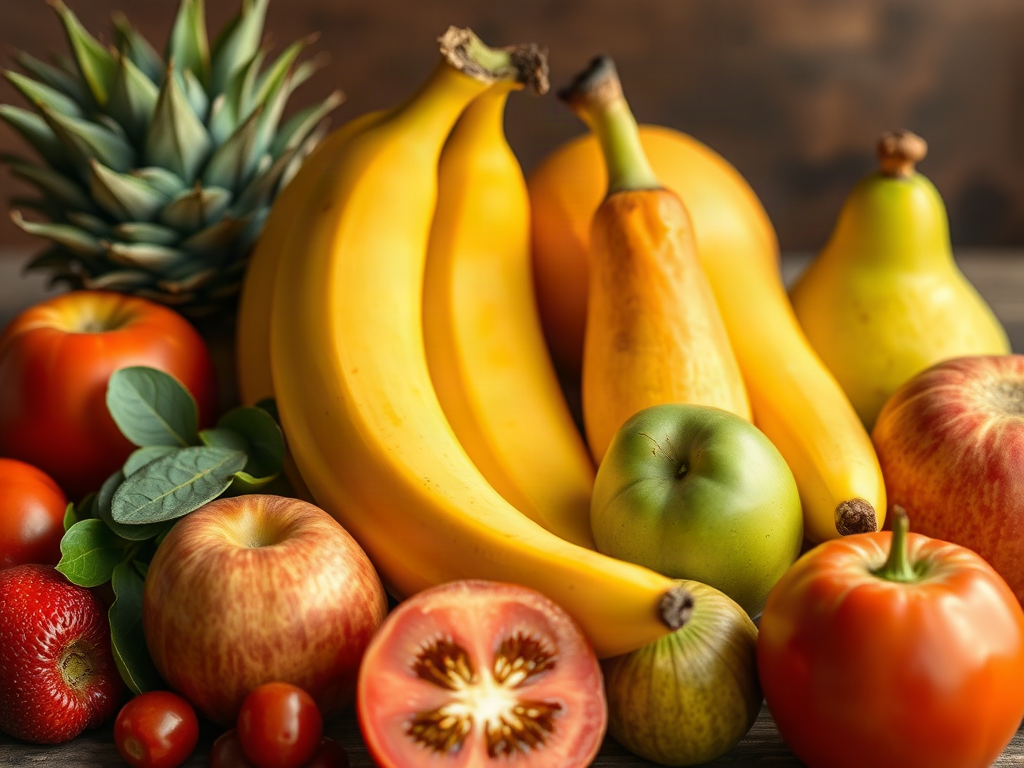
Organic fruit options for reflux sensitive eating usually include ripe bananas, pears, melons, papaya, and peeled apples, while citrus, tomatoes, sour berries, and unripe fruit may be more troublesome because acidity, large portions, and fermentable carbohydrates can aggravate symptoms. Choose one mild fruit at a time, keep the serving modest, and eat it away from lying down or very large meals. Organic certification does not determine reflux tolerance; ripeness, preparation, and personal response matter more. A food-and-symptom record can reveal whether the problem is a specific fruit, an amount, or meal timing rather than fruit as a whole.
What Makes Fruit Easier or Harder to Tolerate
Fruit tolerance during reflux-sensitive eating depends less on the organic label than on acidity, ripeness, serving size, texture, and what else is in the meal. Acidic foods can add to an already irritating meal for some people, while a large volume of fruit may increase stomach fullness and make backflow more likely. Fiber and natural sugars can also cause bloating in sensitive individuals, creating pressure that feels similar to or worsens upper digestive discomfort.
Citrus fruits such as oranges, grapefruit, lemons, and limes are common triggers because they are acidic. Pineapple may be difficult for some people for the same reason, although individual responses vary. Tart berries, underripe fruit, and fruit combined with acidic juice deserve similar caution. A sour flavor is not a perfect predictor, but it is a useful screening clue when deciding which item to test first.
Ripe fruit presents a different practical profile. Ripening changes texture and sweetness, making a banana, pear, or melon easier to chew and often less sharp than an underripe counterpart. That does not make any fruit universally safe. A very ripe pear may still produce gas for someone sensitive to fermentable carbohydrates, and a large banana may feel heavy when eaten after a substantial dinner.
Organic cultivation may reduce exposure to certain agricultural chemicals, but it does not remove the acids, sugars, fiber, or volume that influence reflux symptoms. Washing all produce remains sensible, including organic fruit. The useful question is not whether a fruit is organic alone; it is whether the particular fruit, preparation, and amount fit the reader’s current tolerance.
For a broader comparison of produce choices, use this organic fruit options for reflux sensitive eating resource alongside a personal symptom record. A common mistake is eliminating every fruit after one unpleasant episode. That approach can narrow variety without identifying whether the actual issue was citrus, a large portion, rapid eating, or lying down soon afterward.
Milder Choices and How to Prepare Them
Ripe bananas, melons, pears, papaya, and peeled apples are reasonable starting points for many people who want fruit without beginning with highly acidic options. Their suitability still depends on personal response. A soft banana can be eaten plain, while a firm pear may be better peeled, sliced thinly, and allowed to ripen. Cantaloupe or honeydew can provide a hydrating option, but a large bowl may create more fullness than a smaller serving.
Preparation changes the digestive experience. Peeling removes some insoluble fiber and can make an apple or pear softer and less bulky. Cooking fruit until tender may be useful for someone who finds raw skins difficult, although added sugar, butter, chocolate, or acidic sauces can undermine that advantage. Unsweetened applesauce is a different test from a raw apple because texture, concentration, and portion are changed; it should not be assumed that one result predicts the other.
Frozen fruit can work when it is thawed and eaten slowly, but icy foods may feel uncomfortable for certain individuals. Dried fruit requires extra caution because water has been removed, so a small handful represents much more fruit than it appears to. Dried apricots, raisins, and dates may also contribute to bloating in susceptible people. Fruit juice is usually a poor first test because it delivers acidity or concentrated sugar quickly while providing less chewing and less of the original food structure.
A practical first plate might contain a modest amount of ripe banana with plain oatmeal, or peeled pear alongside a non-spicy meal. Compare that with a fruit smoothie containing citrus, juice, several servings of fruit, and a large volume of liquid. The smoothie may sound nutritious but can be harder to assess because multiple ingredients and rapid consumption obscure the trigger. Keep the initial test simple enough to interpret.
- Lower-acid starting choices: ripe banana, melon, papaya, and a small amount of peeled pear.
- More cautious trials: peeled apple, berries, pineapple, and larger servings of stone fruit.
- Often tested later: citrus, lemon-based recipes, grapefruit, and fruit juices.
These categories are not medical rules. They are a way to sequence trials so that a difficult reaction does not eliminate an entire food group. The best preparation is the one that preserves variety while reducing avoidable acidity, excess volume, and added ingredients.
Portions, Timing, and Meal Pairings
Portion and timing can matter as much as the identity of the fruit. Eating a small serving slowly gives the stomach less volume to manage than consuming a large fruit salad, smoothie, or dessert after dinner. Reflux symptoms may be more noticeable when someone bends over or lies down soon after eating, so an evening fruit snack should be evaluated in relation to bedtime rather than judged only by the food itself.
A useful trial begins with one fruit and a modest amount, such as several slices or a small piece, rather than a full bowl. Record the time eaten, ripeness, preparation, accompanying foods, and symptoms over the following hours. The record does not need to prove a cause; it helps separate recurring patterns from a single difficult day. If the same fruit causes no issue at breakfast but discomfort after a heavy late meal, meal context deserves attention.
Pairings can either make a test clearer or harder to interpret. Plain oats, rice, or another familiar food may provide a neutral setting. High-fat toppings, peppermint, chocolate, spicy ingredients, coffee, and acidic dressings can complicate the picture for people who already recognize them as triggers. Fruit with yogurt may be comfortable for one person but problematic for another if dairy, fat content, or portion size contributes to symptoms.
Consider two contrasting situations. A person eats a few slices of ripe melon midmorning and remains comfortable. The same person later eats a large bowl of mixed fruit with whipped topping after a rich meal and develops burning. The second episode does not automatically prove that melon is unsuitable. Volume, fat, meal timing, and multiple fruits have changed at once.
Prioritize the variables that are easiest to control:
- Use a small serving of one fruit.
- Eat slowly while upright.
- Keep the rest of the meal familiar and not unusually rich or spicy.
- Wait before increasing the amount or adding another fruit.
- Stop the trial if symptoms are clearly escalating and return to tolerated foods.
Do not force a food because it is nutritious or organic. The goal is a varied pattern that fits the person’s symptoms, schedule, and nutritional needs, not a rigid list of supposedly safe items.
Testing Fruit Without Unnecessary Restriction
A structured reintroduction can identify tolerance more accurately than permanent avoidance. Begin when symptoms are relatively settled, choose one variable, and use a familiar preparation. For example, test peeled apple on one occasion, then wait for a clear observation period before changing the portion or trying apple with another ingredient. Someone with frequent symptoms may need help from a clinician or registered dietitian rather than conducting extensive trials alone.
Record more than heartburn. Note sour taste, throat irritation, regurgitation, chest discomfort, bloating, belching, abdominal pain, and the timing of each symptom. Reflux-like sensations can overlap with other digestive problems, so a pattern in the record is useful but not diagnostic. The absence of symptoms after one exposure also does not guarantee that a much larger serving will be comfortable.
When a trial fails, reduce complexity before abandoning the food. A raw apple with peel, eaten quickly after dinner, is not the same test as a small portion of peeled apple eaten earlier with a simple meal. If the simpler version still causes repeated symptoms, choose another fruit rather than repeatedly provoking discomfort. Repeated self-testing is particularly unhelpful when symptoms are severe, persistent, or accompanied by warning signs.
Fruit variety can be maintained through rotation. A person who tolerates banana and melon might use them on separate days, then cautiously assess pear or cooked apple. This approach avoids relying on one food while also avoiding an unnecessarily restrictive diet. Nutritional quality comes from the overall eating pattern, including vegetables, grains, protein foods, and adequate fluids, not from forcing a specific fruit.
Keep an eye on processed forms. A fruit snack with syrup, concentrated juice, sugar alcohols, or a high-fat coating may produce a different response from whole fruit. Check labels when buying canned or packaged products, and choose options that make the ingredients and portion easy to identify. The organic fruit options for reflux sensitive eating checklist is most useful when it records preparation and timing rather than simply marking foods as good or bad.
When Reflux Symptoms Need Medical Attention
Food adjustments are not a substitute for evaluating persistent reflux. Seek medical advice for frequent or worsening symptoms, difficulty or pain with swallowing, unexplained weight loss, repeated vomiting, bleeding signs, anemia concerns, or chest pain that could have a cause unrelated to digestion. Urgent chest symptoms, especially with shortness of breath, sweating, weakness, or pain spreading to the arm or jaw, warrant emergency evaluation rather than a fruit experiment.
A clinician can consider whether symptoms fit reflux or whether another condition may be involved. Acid sensitivity, medication effects, swallowing disorders, food intolerance, and other digestive conditions can overlap. Eliminating citrus may reduce discomfort while leaving the underlying problem unaddressed, so improvement with a food change should not be treated as proof of a diagnosis.
Bring a concise record to an appointment: typical meals, fruit portions, time of symptoms, nighttime effects, medications or supplements, and any warning signs. This is more useful than a long list of foods avoided without context. It can also show whether symptoms occur independently of fruit, which may shift attention toward meal size, lying down after eating, or another contributor.
Medical guidance is especially valuable for children, pregnant people, older adults with new symptoms, and anyone whose diet is becoming narrow. A professional can help preserve adequate energy, protein, fiber, and micronutrients while symptoms are assessed. Reflux-sensitive eating should make meals more manageable, not create fear around every fresh food.
Use organic fruit options for reflux sensitive eating as a planning aid, not as a treatment protocol. The safest priority is identifying repeated patterns, reducing obvious aggravators, and obtaining care when symptoms persist or signal something more serious.
Frequently Asked Questions
Which organic fruits are usually gentler for reflux-sensitive eating?
Ripe bananas, melons, papaya, and modest servings of peeled pears are common starting choices. Individual tolerance still matters more than organic certification.
Should citrus fruit be avoided completely?
Not necessarily. Citrus is acidic and may trigger symptoms, but some people tolerate small portions. Test it only when symptoms are settled and avoid combining it with other likely triggers.
Is fruit juice worse than whole fruit for reflux?
Juice can be harder to assess because it is concentrated, quickly consumed, and often acidic. Whole fruit in a small portion usually provides a clearer tolerance test.
Does peeling fruit make it easier to tolerate?
Peeling may reduce rough texture and some insoluble fiber, which can help certain people. It does not remove acidity or guarantee that the fruit will not trigger reflux.
When should reflux symptoms be checked by a clinician?
Arrange medical advice for persistent, frequent, or worsening symptoms, and seek urgent care for concerning chest pain, trouble swallowing, vomiting blood, or black stools.
Conclusion
Choosing fruit for reflux-sensitive eating works best as a measured process rather than a permanent blacklist. Begin with ripe, lower-acid options such as banana, melon, papaya, or peeled pear; keep portions modest; and test fruit away from heavy meals and lying down. Preparation matters, so compare whole fruit with juice, dried fruit, smoothies, and cooked versions instead of treating them as interchangeable. Organic status may fit personal purchasing priorities, but it does not predict reflux tolerance. Track repeated symptoms and change one variable at a time so that useful foods are not removed without a clear reason. Persistent, severe, or warning symptoms need medical evaluation, particularly when dietary restriction is becoming broad or nutritional adequacy is difficult to maintain.
Further Reading
Authoritative Sources
- Low-Acid Fruits for Acid Reflux
healthcentral.comThey include ginger, bananas, and aloe vera juice. Low-acidic, high-Ph fruits like dates and figs, watermelon, and strawberries can be included ...
- GERD shopping list: reflux-friendly foods to keep on hand
healthloftco.comChoose water-rich, mild fruits and vegetables and limit highly acidic or citrusy foods to keep meals gentle on the stomach. A diverse selection ...
- Best Foods to Eat if You Have Acid Reflux
pepcid.comInstead of eating things like pineapple, grapefruit, or oranges, try to focus on softer, sweeter fruits such as: Melons. Pears. Apples. Bananas. Grapes. Low Fat ...
- Fruits and Vegetables That Are Safe to Eat With GERD
everydayhealth.comThese alkaline fruits — including varieties like honeydew, cantaloupe and watermelon — can quell strong stomach acid. And mitigating your stomach acid can help ...