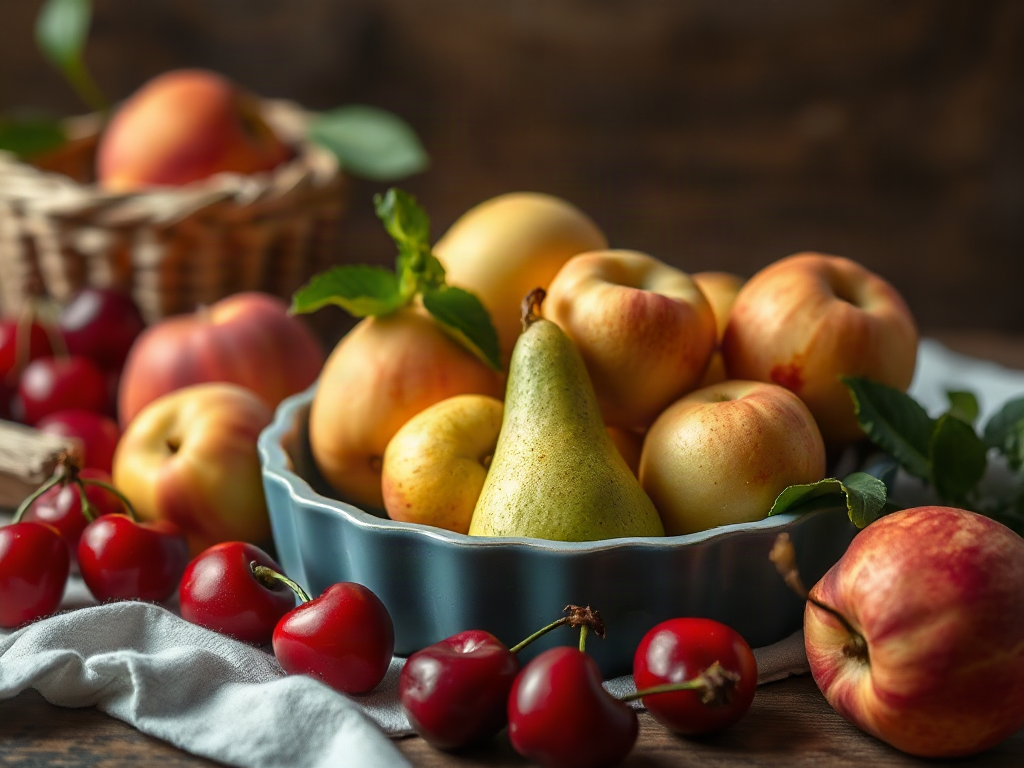
Organic fruits with natural sorbitol content include apples, pears, peaches, nectarines, plums, cherries, apricots, and some dried fruits; tolerance depends more on serving size and individual digestion than on organic certification. Sorbitol is a sugar alcohol that draws water into the intestine and may ferment, so larger servings can contribute to gas, cramping, or loose stools, especially for people sensitive to fermentable carbohydrates. Fresh fruit is usually easier to portion than juice or dried fruit, which concentrates sorbitol. Compare one modest serving at a time, keep a food-and-symptom record, and seek professional guidance for persistent or severe digestive symptoms.
Where Sorbitol Appears in Organic Fruit
Sorbitol occurs naturally in several fruits, particularly those in the rose family. Apples, pears, peaches, nectarines, plums, apricots, and cherries are common examples. Some berries and grapes may contain smaller or variable amounts, while dried prunes are especially concentrated because removing water leaves the fruit sugars and sugar alcohols in a smaller volume.
Organic certification does not remove or reduce naturally occurring sorbitol. The growing method affects pesticide and soil-management practices, but the fruit’s sorbitol content is shaped mainly by variety, ripeness, growing conditions, and processing. An organic apple and a conventionally grown apple can both matter in the same way for someone who reacts to sorbitol.
The digestive issue is related to absorption and fermentation. Sorbitol may be incompletely absorbed in the small intestine, allowing it to reach the colon. There, gut microbes can ferment it, while its water-attracting effect may soften stool. That combination can be useful for some people who struggle with infrequent bowel movements, yet uncomfortable for others who are sensitive to fermentable carbohydrates.
A frequent mistake is treating “natural” as a synonym for unlimited or universally gentle. A whole organic pear may fit comfortably at one meal, while a large pear plus apple juice may exceed an individual’s tolerance. Readers comparing organic fruits with natural sorbitol content should look at the complete serving and meal rather than the organic label alone.
Fresh, Dried, and Processed Forms Compared
Fresh fruit generally offers the clearest portion boundary because its water and fiber create physical volume. Dried fruit is more concentrated: several prunes or dried apricots can represent much more fruit sugar and sorbitol than a person realizes. Fruit juice removes most of the original structure and is easy to drink quickly, making it a less controlled option for people testing tolerance.
Consider an afternoon snack. A small fresh peach eaten slowly is different from a large glass of pear juice consumed with lunch and a handful of dried fruit afterward. The second combination may deliver a greater concentrated load and less chewing, even though every item began as fruit. Canned fruit can vary according to the fruit, draining method, and syrup; the label helps identify added sugars but does not quantify naturally occurring sorbitol.
Cooking may soften texture and improve palatability, but it should not be assumed to eliminate sorbitol. Stewed apples or baked pears remain relevant sources. Removing skins changes fiber and texture, not necessarily the whole sorbitol exposure. For someone with a sensitive gut, cooked fruit may feel easier because it is softer and less bulky, but the serving still matters.
- Most controllable: one measured serving of fresh or gently cooked fruit.
- More concentrated: dried fruit, fruit leather, and reduced fruit preparations.
- Easy to overconsume: juice, smoothies, and large blended portions.
The practical tradeoff is convenience versus control. A smoothie may be nutritious and quick, but blending makes a large amount easy to consume in minutes. For a tolerance trial, a whole piece of fruit is usually easier to interpret than a mixed drink containing several fruits, sweeteners, or supplements.
Portions, Symptoms, and Personal Tolerance
Sorbitol tolerance is individual, and symptoms often reflect dose, meal composition, and baseline digestive sensitivity. Possible effects include bloating, gas, abdominal discomfort, urgency, or loose stools. These symptoms do not prove that sorbitol is the cause; infection, lactose, other fermentable carbohydrates, medication effects, and underlying digestive conditions can produce similar experiences.
A useful approach is to change one variable at a time. Choose a modest serving of one fruit, eat it with a familiar meal, and record the time, amount, preparation, and symptoms that follow. Repeating the same test on another day can provide more useful information than reacting to a single uncomfortable meal. If the fruit is tolerated, a slightly larger portion may clarify the person’s threshold, but deliberate overconsumption is unnecessary.
Food diaries work best when they capture context. Note whether the fruit was fresh, cooked, dried, juiced, or blended; whether the meal also contained beans, wheat, onions, dairy, or sugar-free products; and whether stress or a change in bowel routine was present. A mixed meal can obscure the trigger, while a very restrictive diet can create nutritional gaps and make normal variation seem suspicious.
Signs that an approach is useful include repeatable tolerance, predictable portions, and adequate variety across the diet. Signs that it is failing include symptoms after small amounts, increasingly restricted food choices, nighttime symptoms, or difficulty maintaining hydration. People with diagnosed digestive disorders should not use a sorbitol experiment as a substitute for individualized medical or dietetic advice.
Choosing and Testing Fruit in Daily Meals
The best choice depends on the person’s goal. Someone seeking a portable snack may prefer a single fresh fruit with a measured portion. Someone trying to increase stool softness may value fruit containing sorbitol, but should increase intake gradually and consider total fiber and fluid rather than relying on one food. Someone managing recurrent diarrhea may need to pause high-sorbitol choices and obtain professional guidance instead of assuming fruit is the only factor.
Start with a simple meal structure: select one fruit, avoid pairing it with juice or dried fruit during the test, and keep the rest of the meal familiar. An apple eaten alongside a usual breakfast gives a different learning opportunity than a mixed fruit bowl containing apple, pear, cherries, and peaches. If symptoms occur, reduce the portion or switch preparation before eliminating every related fruit.
Shopping decisions also affect interpretation. Choose fruit that is ripe enough to eat comfortably, but do not assume extra ripeness makes it harmless. Buy small quantities when testing several varieties, and read ingredient lists on organic fruit snacks because products may contain concentrated fruit puree, apple juice, or added sorbitol. “Organic” describes production standards, not digestive suitability.
A compact decision sequence can prevent unnecessary restriction:
- Identify the form: fresh, cooked, dried, juiced, or blended.
- Measure a modest portion and test only one variable.
- Record symptoms and surrounding meal details.
- Repeat before drawing a conclusion.
- Discuss persistent reactions with a qualified clinician or registered dietitian.
This method favors evidence from the individual’s routine while preserving variety. A common failure is switching between multiple fruits and changing several other foods at once, then labeling all organic fruit as problematic. A narrower test gives better information and avoids confusing a concentrated product with the whole-food version.
When Digestive Symptoms Need More Attention
Fruit-related gas or stool changes are often manageable, but recurring symptoms deserve a broader assessment. Persistent diarrhea, constipation, severe pain, vomiting, dehydration, unexplained weight change, blood in the stool, fever, or symptoms that wake someone from sleep warrant medical attention. These signs should not be attributed automatically to sorbitol or managed solely by removing fruit.
Professional evaluation is also useful when a person is eliminating many foods, losing confidence in eating, or struggling to meet energy and nutrient needs. Apples, pears, peaches, and plums provide more than sorbitol; they can contribute fiber, vitamin C, potassium, polyphenols, and variety. Replacing them with highly processed “safe” snacks may reduce one symptom while weakening the overall diet.
People who use laxatives, have intestinal conditions, have recently taken antibiotics, or are pregnant may need advice tailored to their circumstances. Sorbitol-containing foods can affect stool consistency, but the response depends on the wider medical and dietary picture. No single online food list can establish a diagnosis or define a universally safe serving.
For ongoing monitoring, prioritize hydration, adequate nutrition, and a diverse diet that matches tolerance. Use the organic fruits with natural sorbitol content list as a starting point for questions, not as a rigid prescription. A clinician or dietitian can help distinguish a true pattern from coincidence and can design a structured elimination and reintroduction plan when appropriate.
Frequently Asked Questions
Which organic fruits commonly contain natural sorbitol?
Apples, pears, peaches, nectarines, plums, apricots, cherries, and prunes are common examples. Amounts vary by variety, ripeness, and form.
Does organic certification change a fruit's sorbitol content?
No. Certification concerns production practices; it does not remove naturally occurring sorbitol from the fruit.
Are dried fruits harder to tolerate than fresh fruit?
They may be, because drying concentrates the fruit into a smaller volume. A few dried pieces can equal a substantially larger fresh-fruit portion.
Can sorbitol cause diarrhea or gas?
It may contribute to gas, bloating, cramping, or loose stools when incompletely absorbed, particularly at larger servings or in sensitive individuals.
Should someone avoid all sorbitol-containing fruit?
Not automatically. Testing modest portions and keeping a symptom record may identify tolerated choices, while persistent or severe symptoms merit professional evaluation.
Conclusion
Organic fruit can be a nutritious part of meals even when it contains natural sorbitol. The most useful distinction is not organic versus nonorganic, but fresh versus concentrated, measured versus oversized, and tolerated versus repeatedly symptom-provoking. Apples, pears, stone fruit, cherries, and dried prunes deserve different portion expectations, especially when juice or blended fruit makes intake less noticeable. Test one form at a time, record the surrounding meal, and avoid treating a single reaction as proof that every related fruit is unsuitable. Persistent diarrhea, pain, weight change, bleeding, or increasing dietary restriction calls for medical or dietetic support. Use the organic fruits with natural sorbitol content list to guide careful choices while preserving variety and adequate nutrition.
Further Reading
Authoritative Sources
- Sorbitol intolerance - symptoms, causes, therapy - nmi-Portal
nahrungsmittel-intoleranz.comNatural sources of sorbitol (fruits with a high sorbitol content). Apples; Pears; Plums / damsons; Cherries; Apricots; Peaches; Nectarines ...
- Sorbitol content of food - Food Intolerance
foodintolerances.orgFruit: dried fruit and stone fruit (i.e. fruit with stones in the middle): apple, apricot, date, , prune and raisin.
- Sorbitol intolerance: All you need to know
cara.careSorbitol occurs naturally in pome fruit (apples and pears) and stone fruit. Fruits containing sorbitol Processed foods containing sorbitol Apples Pears ...
- Dietary sorbitol and mannitol: food content and distinct ...
onlinelibrary.wiley.comCertain fruits and sugar-free gum contained sorbitol, whereas mannitol content was higher in certain vegetables. Similar proportions of patients ...