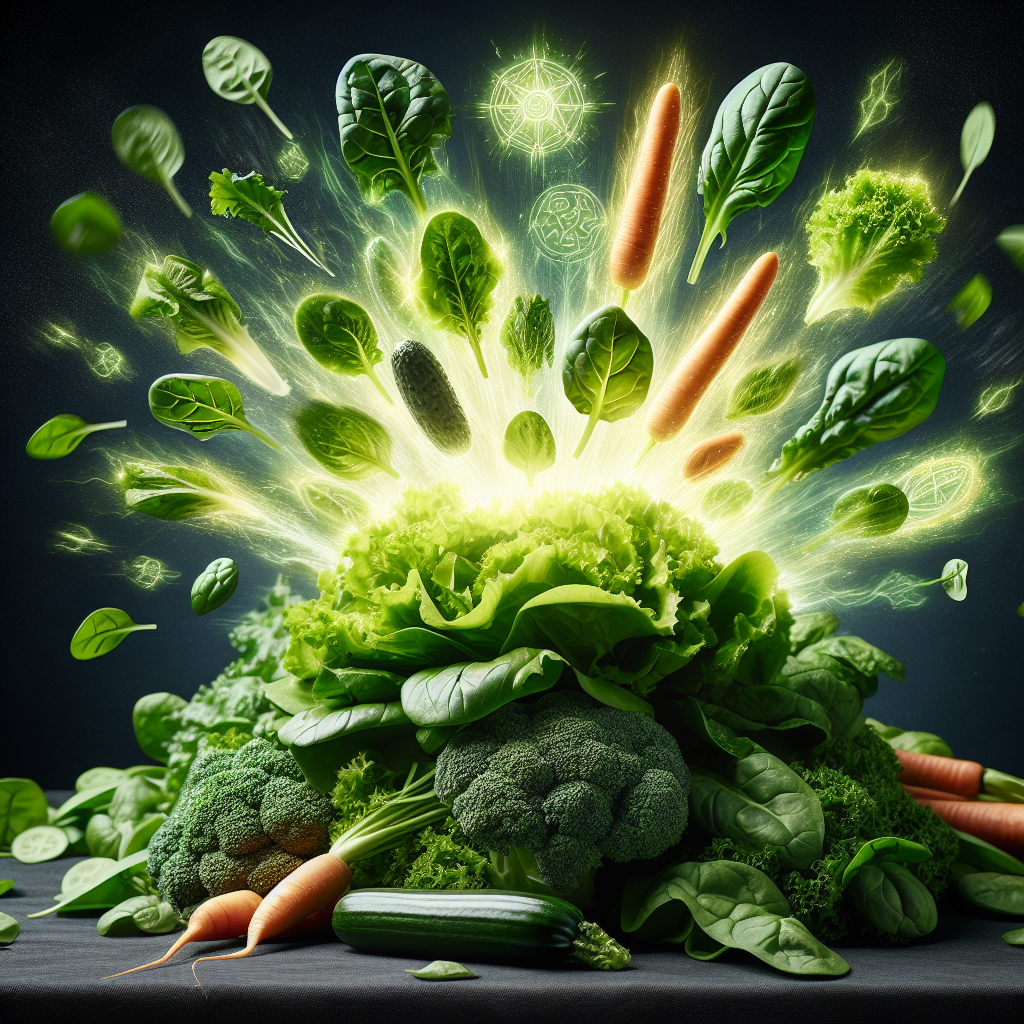
Maintaining hydration balance through organic nutrition involves consuming foods and drinks that support fluid retention and electrolyte balance. Key strategies include incorporating water-rich fruits and vegetables, such as cucumbers, watermelon, and oranges, while also ensuring adequate fluid intake.
To optimize hydration, focus on both the quality and quantity of your food and beverage choices. Consuming organic foods that are high in water content can significantly contribute to your overall fluid intake. Additionally, understanding the role of electrolytes—sodium, potassium, and magnesium—can help maintain your body’s fluid balance, especially after exercise or during hot weather.
One common mistake in hydration management is relying solely on water intake without considering food sources. Many people overlook the hydrating potential of fruits and vegetables, which can provide both fluids and essential nutrients. Furthermore, consider your lifestyle and adjust your hydration strategies accordingly to meet your specific needs.

==> Click Here for the best Certified Organic Product available - at a huge discount!
Understanding Hydration Needs
Hydration needs vary significantly based on individual factors such as age, sex, physical activity level, and environmental conditions. The general recommendation is to consume at least eight 8-ounce glasses of water daily, but this can fluctuate based on personal circumstances. Additionally, during high-exertion activities or in hot climates, fluid demands increase, making it crucial to monitor hydration levels closely.
It’s also important to recognize that thirst is not always a reliable indicator of hydration status. Many people may not feel thirsty until they are already dehydrated. Therefore, proactively consuming fluids throughout the day, along with hydrating foods, can help maintain optimal hydration levels.
Understanding these factors allows individuals to tailor their hydration strategies effectively. For example, athletes may require more fluids and electrolytes, while sedentary individuals might focus on maintaining consistent fluid intake throughout the day.
Top Organic Foods for Hydration
Incorporating organic foods into your diet can enhance hydration levels significantly. Fruits and vegetables with high water content are excellent choices. Watermelon, cucumbers, strawberries, and oranges are among the top contenders, providing both hydration and essential vitamins and minerals.
Additionally, consider foods that contain electrolytes, such as spinach, bananas, and avocados. These foods not only help with hydration but also support overall health by providing necessary nutrients. Consuming a variety of these foods can help ensure balanced hydration and nutrient intake.
Moreover, when selecting organic options, prioritize those that are in season for the best flavor and nutritional value. Seasonal produce tends to be fresher and more hydrating, making it a smart choice for hydration strategies.
Hydration Strategies for Active Lifestyles
For individuals with active lifestyles, hydration strategies must be more dynamic. It’s essential to replace fluids lost during physical activities effectively. This involves not only drinking water but also consuming beverages that replenish electrolytes, especially after intense workouts.
Sports drinks can be beneficial, but opting for organic versions with natural ingredients is a healthier choice. Coconut water is also an excellent natural alternative, as it contains electrolytes and is low in calories. Incorporating these options can help maintain hydration balance during and after exercise.
Additionally, timing is crucial. Aim to hydrate before, during, and after workouts to optimize performance and recovery. Pre-hydration can enhance endurance, while post-exercise hydration aids in recovery and muscle function.
Common Misconceptions About Hydration
Many people hold misconceptions about hydration, such as believing that only water counts toward fluid intake. In reality, many foods, especially fruits and vegetables, contribute significantly to hydration. Understanding this can help individuals make more informed dietary choices.
Another common belief is that caffeine and alcohol are strictly dehydrating. While they can have a diuretic effect, moderate consumption is generally acceptable within a balanced diet. The key is to offset these beverages with adequate water intake and hydrating foods.
Furthermore, some individuals assume that they can rely solely on thirst cues, which can lead to dehydration. It’s important to establish a routine that includes regular fluid intake, regardless of thirst.

==> Need an Energy Boost? Click Here for the best Organic Product available - at a huge discount!
Further Reading
Authoritative Sources
- Hydration for Health
ncbi.nlm.nih.govThis article discusses the importance of hydration and its impact on health
- ChooseMyPlate.gov
choosemyplate.govA resource for understanding food groups and hydration strategies
- CDC Nutrition
cdc.govComprehensive information on nutrition and hydration from the CDC
- Eat Right
eatright.orgA trusted resource for nutrition advice and tips on hydration
Frequently Asked Questions
How much water should I drink daily for hydration?
The general recommendation is to drink at least eight 8-ounce glasses of water daily, but individual needs can vary based on activity level and climate.
What foods are best for maintaining hydration?
Fruits and vegetables like watermelon, cucumbers, oranges, and strawberries are excellent for hydration due to their high water content.
Can I rely on thirst to determine my hydration needs?
Thirst is not always a reliable indicator of hydration status, so it’s important to drink water regularly, even if you don’t feel thirsty.
Are sports drinks necessary for hydration?
Sports drinks can be useful for replenishing electrolytes after intense exercise, but water and hydrating foods are usually sufficient for most activities.
Is caffeine dehydrating?
While caffeine can have a mild diuretic effect, moderate consumption is generally acceptable and should be balanced with water intake.
Conclusion
Maintaining a proper hydration balance through organic nutrition is essential for overall health and well-being. By incorporating water-rich foods, ensuring adequate fluid intake, and understanding individual hydration needs, you can optimize your hydration strategies effectively. Remember to be proactive about your fluid consumption, especially during physical activities or in hot climates. Prioritize organic options when possible, and remain aware of common misconceptions surrounding hydration. This approach will help you achieve a balanced state of hydration that supports your overall health.
Related Content
- The Ultimate Guide to Live Organic Nutrition: 7 Effective Tips for 2025
- The Unexpected Impact of Organic Nutrients on Your Health
- Revitalize Your Gut: The Essential Role of Whole Food Organics for Digestion
- Why Organic Grains Are Better for Regulating Blood Sugar
- 10 Effective tips for the best organic superfood powder in 2025