Build a No-Knife Produce Setup
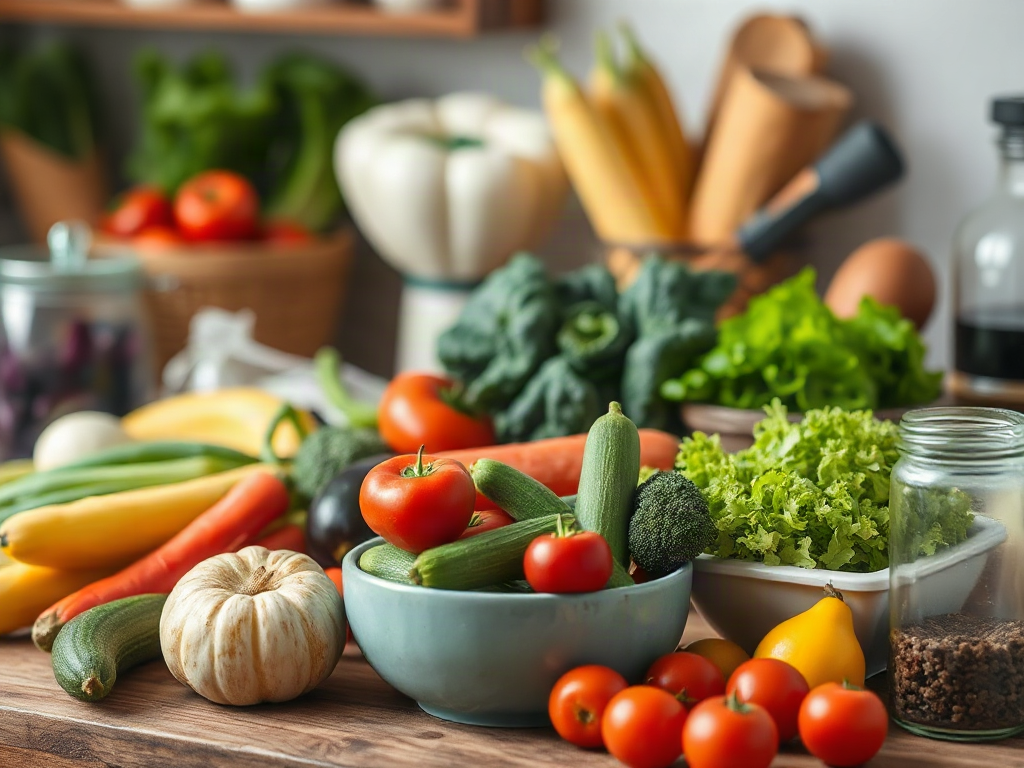
A workable no-knife meal-prep system depends less on recipes than on selecting food in a usable physical form. Look for produce that can be eaten whole, opened from a package, spooned from a container, or separated by hand. Baby carrots, sugar snap peas, cherry tomatoes, berries, grapes, pre-washed greens, individual applesauce cups, and frozen vegetables all reduce preparation demands without removing produce from the meal.
Convenience does not automatically mean highly processed. A sealed bag of washed spinach is still a practical whole-food ingredient, while a fruit-flavored snack may contain less intact produce than its packaging suggests. Read the ingredient list on smoothies, sauces, and packaged grain bowls, especially when added sugar, sodium, or a long list of refined ingredients could change the nutritional balance.
Pair produce with foods that supply staying power. Canned chickpeas, tuna packets, plain Greek yogurt, cottage cheese, hard-boiled eggs, tofu, nut butter, pumpkin seeds, and microwaveable brown rice can turn a container of greens into a meal rather than a light side dish. The goal is not to make every meal perfect; it is to prevent a produce-heavy plan from leaving you hungry an hour later.
A useful starter kit includes leak-resistant containers, small cups for dressings, a spoon, a can opener if needed, and refrigerator space that keeps prepared food visible. If opening cans is difficult, choose pull-tab packages or shelf-stable pouches. If gripping packaging is a concern, prioritize easy-open containers rather than assuming that a technically simple food will be physically accessible.
Use organic produce meal prep with no knife skills as a flexible assembly method, not a requirement to buy every ingredient organic. Organic certification addresses production practices, but it does not make a wilted salad safer or automatically more nutritious. Freshness, storage, affordability, and whether the food will actually be eaten are practical priorities.
Choose Ingredients That Hold Their Quality
Produce quality changes at different rates, so the order of use matters. Sturdy items such as baby carrots, snap peas, apples, oranges, and unopened frozen vegetables usually tolerate several days better than washed berries, cut melon, or dressed greens. Buy fragile foods in smaller quantities unless you already know they will be eaten early in the prep cycle.
Texture also determines whether a no-knife meal feels satisfying. Whole grapes remain firm when stored properly, while raspberries can soften quickly under pressure. Dry toppings such as sunflower seeds or roasted chickpeas should stay separate from moist foods. A container with spinach, beans, dressing, and crunchy seeds mixed together may taste acceptable on day one but become limp by day three.
Frozen produce is often the most practical alternative to fresh convenience produce. Frozen peas, corn, green beans, and broccoli can be heated in a microwave-safe container and added to grains or beans. They may not provide the crisp texture of fresh vegetables, but they reduce waste and are available when shopping is infrequent. Choose plain frozen produce rather than heavily sauced versions when you want control over sodium and added fats.
Organic packaged produce can carry a higher price and may come in smaller packages. Compare the edible portion rather than the sticker price alone. A large container of organic greens is not a bargain if half becomes slimy before use. Conversely, individually portioned berries may be useful for a person who eats alone and needs predictable servings. The best choice depends on storage capacity, shopping frequency, and how quickly the food will be consumed.
Common mistakes include buying only delicate ingredients, treating “pre-washed” as a guarantee of unlimited shelf life, and adding dressing during the initial prep. Check dates and condition when opening each package. Sliminess, sour odors, leaking containers, or unexpected discoloration are reasons to discard questionable food rather than trying to rescue it with seasoning.
Assemble Four Days of Balanced Meals
A four-day plan can be assembled with repeating components that change flavor through sauces and toppings. Prepare a base of pre-washed greens or microwaveable grains, add one protein, include two or three produce choices, and finish with a separate sauce. This structure makes meals predictable without forcing every container to taste identical.
For example, day one could combine greens, canned chickpeas, cherry tomatoes, baby carrots, and a small cup of yogurt-based dressing. Day two might use microwaveable quinoa, frozen peas, a tuna pouch, and grapes on the side. Day three could pair brown rice, shelf-stable tofu, snap peas, and a low-sodium peanut sauce. Day four might use cottage cheese, berries, oats, and pumpkin seeds as a breakfast or lunch combination. None requires a knife, though a spoon, fork, can opener, or microwave may be useful.
Portion ingredients according to hunger, dietary needs, and the meal’s role. A salad with only greens and fruit may be refreshing but may not provide enough protein or energy for a demanding afternoon. Adding beans, eggs, yogurt, tofu, fish, or seeds changes the meal’s staying power. People managing a medical condition, food allergy, or prescribed diet should adapt ingredient choices with advice from a qualified clinician rather than treating a general plan as individualized nutrition care.
Keep at least one backup meal that requires no preparation at all, such as a sealed lentil pouch with a cup of baby carrots or yogurt with berries and oats. This matters when fatigue, pain, transportation problems, or a disrupted schedule makes assembly unrealistic. A plan that includes only elaborate containers can fail precisely on the day it is most needed.
Use organic produce meal prep with no knife skills to reduce the number of decisions during the week. Label containers with the meal or day, place earlier-spoiling foods in front, and store sauces separately. Signs the system is working include less unused produce, faster meal assembly, and meals that remain appealing through the planned eating window.
Prevent Soggy Meals and Food-Safety Problems
Storage technique determines whether prepared produce remains enjoyable. Moisture migrates from tomatoes, fruit, beans, and dressings into greens and grains, softening texture over time. Use separate compartments or small sealed cups for wet ingredients, and add sauces immediately before eating. A paper towel placed with some leafy greens may absorb excess surface moisture, but it cannot compensate for produce that was stored wet or already deteriorating.
Cool cooked grains, beans, eggs, and heated frozen vegetables promptly in shallow containers rather than leaving a large warm batch at room temperature. Refrigeration does not reverse spoilage, so prepared foods should be chilled soon after cooking and kept cold during transport. An insulated lunch bag with a cold source is more appropriate than carrying perishable meals loosely for hours.
Wash hands before handling ready-to-eat ingredients and follow the package instructions for pre-washed items. Rewashing packaged greens is not always necessary and can introduce contaminated sink water or extra moisture if the process is poorly controlled. Keep raw animal products away from ready-to-eat food; a no-knife plan still needs ordinary food-safety separation when eggs, fish, or poultry are included.
Do not rely on smell alone to judge every food, because harmful contamination is not always obvious. When storage history is uncertain, the safer choice is to discard the item. A meal-prep container is not worth trying to preserve if it has been left warm, leaked into an unclean bag, or passed the point where its texture and condition are clearly acceptable.
Avoid preparing all four days of fragile food at once. Assemble sturdy components in advance, then add berries, dressing, yogurt, or delicate greens closer to the eating date. That small split between batch preparation and final assembly often improves both quality and waste without adding knife work.
Adjust the Plan for Budget, Access, and Nutrition
The most expensive version of this approach is not necessarily the most useful one. Organic pre-cut produce, single-serving grains, and individual sauces save time but increase packaging and price. A lower-cost version can use organic apples, oranges, baby carrots, cabbage slaw, frozen vegetables, canned beans, and larger containers of yogurt. Choose convenience selectively for the ingredients that remove the greatest barrier.
People with limited hand strength, visual limitations, or pain may need more than knife-free ingredients. Twist-off lids can be difficult, pull tabs can be sharp, and sealed plastic may require excessive force. Test packaging before relying on it for several meals. Easy-open cans, lightweight containers, and assistance with shopping or initial setup may be more valuable than adding another recipe.
Nutrition also depends on variety across the week. Rotate colors and types of produce, such as leafy greens, orange vegetables, legumes, berries, and citrus, while keeping portions realistic. Whole fruit generally provides more fiber than juice, and plain frozen vegetables usually offer more control over sodium than seasoned side dishes. Organic status can be part of a purchasing preference, but it should not displace adequate food, protein, or produce variety.
A compact priority list makes decisions easier:
- Choose foods that can be opened, eaten, or portioned without cutting.
- Add a dependable protein and a satisfying carbohydrate to produce-based meals.
- Use sturdy ingredients early and protect delicate foods from moisture.
- Buy organic when it fits the budget, but avoid wasting food to preserve a label preference.
- Keep one shelf-stable or ready-to-eat backup for difficult days.
Use organic produce meal prep with no knife skills as an accessibility-aware routine rather than a test of culinary ability. If a plan repeatedly produces leftovers, causes packaging frustration, or leaves you hungry, change the ingredients and format. The best routine is the one that remains safe, affordable, and usable during an ordinary stressful week.
For storage temperatures, produce handling, and general food-safety guidance, consult current information from the USDA, FDA, and local university extension programs. These sources can help readers adapt a no-knife meal-prep routine to specific storage and dietary circumstances.
Frequently Asked Questions
What organic produce can I eat without cutting?
Baby carrots, snap peas, cherry tomatoes, berries, grapes, leafy greens, small apples, oranges, and pre-cut produce are practical options. Choose items that are easy to wash, open, or eat whole.
Can I prepare four days of produce at once?
You can prepare sturdy ingredients in advance, but delicate berries, dressed greens, and wet toppings may be better added later. Store components separately to protect texture.
How do I make a no-knife produce meal filling?
Add a protein such as beans, yogurt, eggs, tofu, tuna, or cottage cheese and pair it with grains, oats, or another carbohydrate that fits your needs.
Are frozen organic vegetables useful for meal prep?
Yes. Plain frozen vegetables reduce waste and require little handling. They work well in grain bowls, bean meals, and soups, although their texture is usually softer than fresh produce.
Is pre-washed produce safe for no-knife meal prep?
Pre-washed produce is convenient, but it still needs proper refrigeration and attention to package condition. Follow label directions and discard food with spoilage signs or uncertain storage history.
Conclusion
A successful knife-free produce routine begins with physical usability, not an ambitious recipe list. Select whole or ready-to-eat items that match your grip, storage space, budget, and shopping schedule. Build meals around produce plus a protein and satisfying carbohydrate, then separate wet ingredients so the food remains appealing. Use sturdy foods for later days, keep a no-cook backup available, and treat refrigeration and package condition as non-negotiable. Organic purchases may fit your priorities, but reducing waste and eating a varied selection often matters more than choosing the organic version of every item. Assemble a small trial batch first, observe which foods remain fresh and satisfying, and refine the plan around what you actually eat.