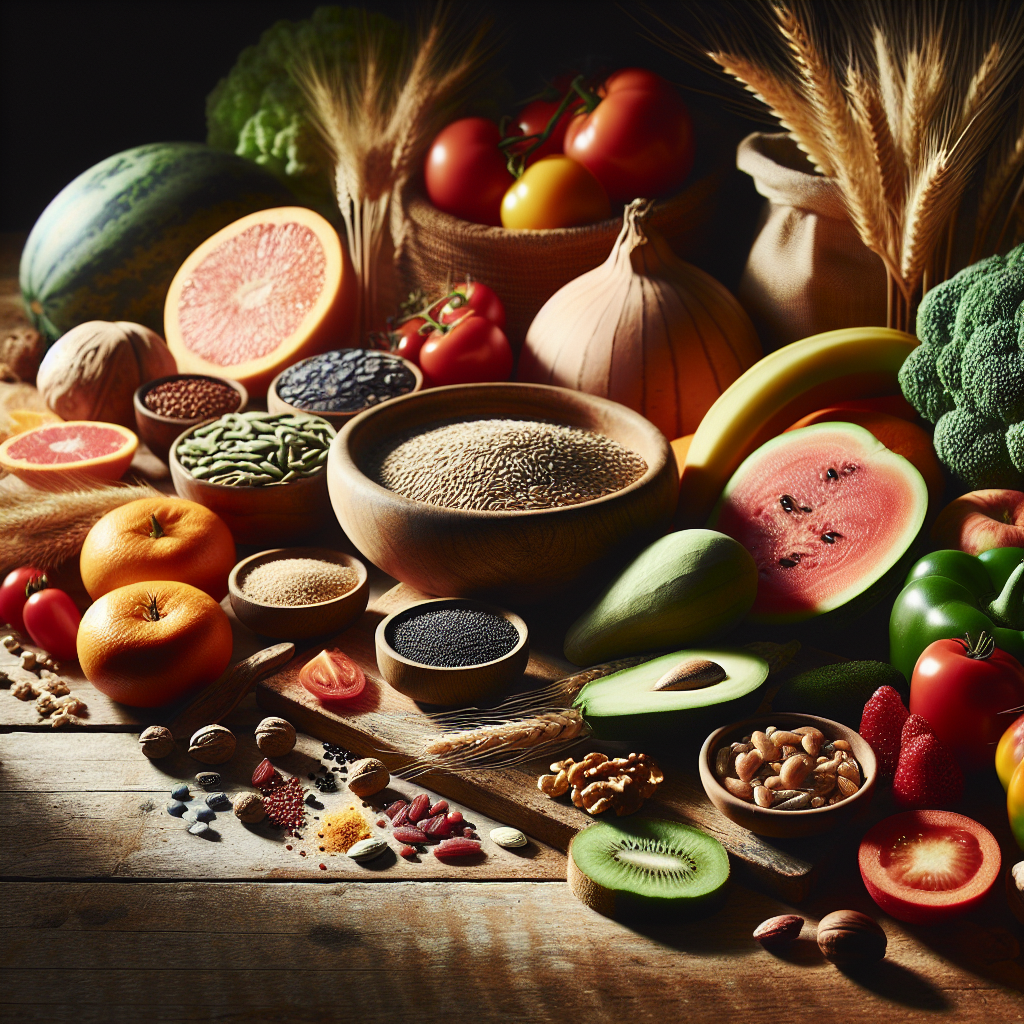
An organic whole food diet can significantly enhance skin hydration by incorporating nutrient-rich foods that promote moisture retention and skin health. Key components include fruits, vegetables, nuts, seeds, and whole grains that provide essential vitamins, minerals, and antioxidants.
Implementing an organic whole food diet involves understanding the specific foods that contribute to skin hydration. Foods high in omega-3 fatty acids, such as walnuts and flaxseeds, can help maintain the skin’s lipid barrier, preventing moisture loss. Additionally, fruits like watermelon and cucumbers are not only hydrating but also rich in vitamins A and C, which are vital for skin repair and rejuvenation. A diet rich in antioxidants helps combat oxidative stress, further supporting skin health.
Many individuals mistakenly believe that only topical treatments can improve skin hydration. However, internal nutrition plays a pivotal role. A common pitfall is neglecting to balance hydration with a variety of food choices. It’s essential to incorporate a wide range of organic produce to ensure a comprehensive intake of nutrients while avoiding excessive salt and sugar, which can lead to dehydration and skin issues.

==> Click Here for the best Certified Organic Product available - at a huge discount!
Key Nutrients for Skin Hydration
Vitamins and minerals are crucial for maintaining skin hydration. Vitamin E, found in nuts and seeds, acts as a powerful antioxidant, protecting skin cells from damage. Vitamin C, abundant in citrus fruits, aids in collagen production, which is essential for skin elasticity and hydration. Zinc, found in whole grains and legumes, supports skin repair and regeneration. Adequate intake of these nutrients is vital for optimal skin health.
To effectively enhance skin hydration, it’s important to focus on a variety of sources for these nutrients. For instance, incorporating colorful fruits and vegetables not only provides essential vitamins but also increases water content in your diet. Additionally, omega-3 fatty acids found in fish and flaxseeds can help improve skin barrier function, reducing moisture loss. Prioritizing these nutrients can lead to visibly healthier skin.
Readers often overlook the impact of hydration on skin health. Drinking sufficient water is essential, but it should be complemented by a diet rich in the aforementioned nutrients. A common mistake is focusing solely on topical solutions while neglecting dietary contributions to skin hydration. Understanding the synergy between nutrition and hydration can lead to better overall skin health.
Hydrating Foods to Include
Fruits and vegetables with high water content are excellent additions to an organic whole food diet aimed at improving skin hydration. Watermelon, cucumbers, oranges, and strawberries are not only refreshing but also packed with vitamins and minerals. Leafy greens, such as spinach and kale, contribute to hydration while providing a wealth of nutrients.
Incorporating these hydrating foods into daily meals can be done easily. For example, adding slices of cucumber to salads or enjoying a watermelon smoothie can boost hydration levels. Additionally, incorporating soups made from hydrating vegetables can further increase fluid intake while providing essential nutrients. These practices can help maintain skin moisture levels effectively.
However, it’s important to remain mindful of balance. Over-reliance on a few types of fruits or vegetables can limit nutrient diversity. Aim for a colorful plate to ensure a wide range of vitamins and minerals that support skin hydration. Prioritizing variety while incorporating hydrating foods can enhance skin health significantly.
Common Mistakes to Avoid
One of the most significant mistakes when adopting an organic whole food diet for skin hydration is neglecting to adjust fluid intake. Even with a nutritious diet, inadequate water consumption can hinder hydration efforts. It’s essential to drink enough water throughout the day to complement the hydrating foods consumed.
Another common pitfall is failing to consider the impact of processed foods. Many individuals may believe they are eating healthily by choosing organic options, but processed foods can still contain high levels of sodium and sugars, which can lead to dehydration and skin issues. Being aware of hidden ingredients is crucial in maintaining skin hydration.
Moreover, readers often underestimate the importance of consistent dietary patterns. Skin hydration is not achieved overnight; it requires sustained effort and commitment to an organic whole food diet. Prioritizing long-term dietary changes over short-term fixes can lead to better skin health outcomes.
Creating a Balanced Organic Diet
To establish a balanced organic whole food diet for skin hydration, begin by planning meals that incorporate a variety of fruits, vegetables, whole grains, and healthy fats. A well-rounded approach ensures a comprehensive intake of essential nutrients that support skin health. Consider using meal prep to simplify the process of incorporating these foods into daily routines.
Additionally, consider including healthy fats such as avocados and olive oil, which can enhance skin hydration by supporting the skin’s lipid barrier. Regularly consuming these fats can help improve skin texture and moisture retention. Aim to create meals that are both nutritious and enjoyable, making it easier to stick to your dietary goals.
Lastly, monitor your progress and adjust your diet as necessary. Pay attention to how your skin responds to dietary changes and remain flexible in your approach. Understanding that individual skin types may require different dietary adjustments can help you find the best balance for your needs.

==> Need an Energy Boost? Click Here for the best Organic Product available - at a huge discount!
Further Reading
Authoritative Sources
- Nutritional Approaches to Improve Skin Hydration
ncbi.nlm.nih.govThis article discusses the role of nutrition in skin hydration and overall skin health
- Foods for Healthy Skin
healthline.comA comprehensive guide on foods that promote healthy skin, including hydration tips
- The Role of Antioxidants in Skin Health
ncbi.nlm.nih.govThis research highlights the importance of antioxidants in maintaining skin hydration and preventing damage
Frequently Asked Questions
How does diet impact skin hydration?
A diet rich in hydrating foods and essential nutrients can significantly enhance skin moisture levels and overall health.
What foods should I avoid for better skin hydration?
Avoid processed foods high in sugars and sodium, as they can lead to dehydration and skin issues.
How much water should I drink daily for optimal skin hydration?
It is generally recommended to drink at least eight 8-ounce glasses of water daily, adjusted based on individual needs and activity levels.
Can I improve skin hydration with supplements?
While some supplements may help, focusing on a balanced diet rich in whole foods is the most effective way to enhance skin hydration.
How long does it take to see improvements in skin hydration from diet changes?
Improvements can typically be seen within a few weeks of consistent dietary changes, but individual results may vary.
Conclusion
Incorporating an organic whole food diet is a powerful strategy for improving skin hydration. Focus on a variety of nutrient-dense foods, including fruits, vegetables, healthy fats, and whole grains, while maintaining adequate water intake. Avoiding processed foods and ensuring a balanced diet will help you achieve optimal results. Remember, consistency is key, and it may take time to see improvements, but the benefits for your skin health will be worth the effort.
Related Content
- Organic Meal Planning for a Healthier Lifestyle
- Why Common Practices with Organic Nutrients Don’t Work and What to Do Instead
- “How to Create Delicious Organic Smoothies Your Family Will Love”
- 10 Effective Organic Vegan Supplements to Boost Your 2025 Results
- What’s Really Inside Organic Vegetables and Fruits? The Truth Revealed