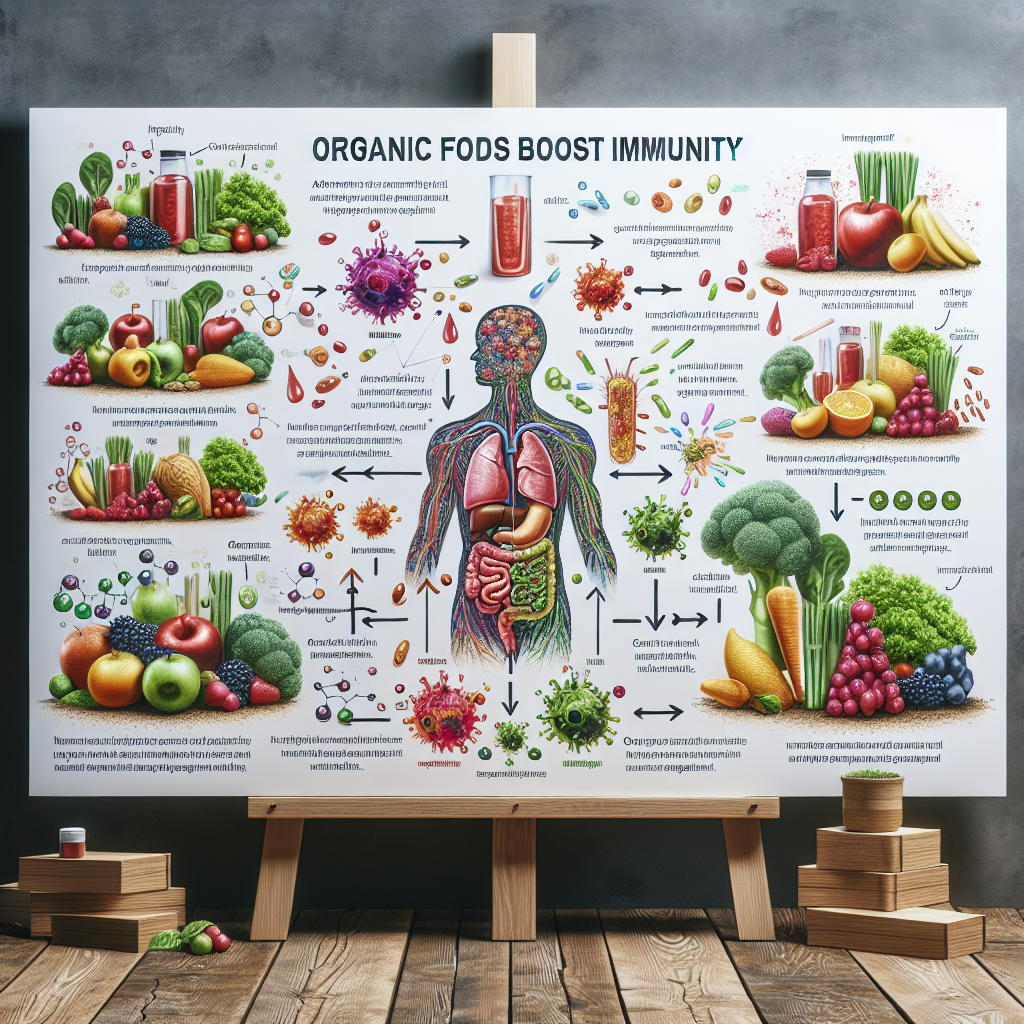
An organic whole food diet for maintaining healthy weight emphasizes the consumption of minimally processed, organic foods that are nutrient-dense. This dietary approach supports weight management by prioritizing whole grains, fruits, vegetables, lean proteins, and healthy fats while minimizing added sugars and artificial ingredients.
Understanding the principles of this diet is crucial for effective weight management. Organic whole foods provide essential nutrients without the empty calories found in processed foods. By choosing organic options, individuals can reduce exposure to pesticides and additives that may disrupt metabolic processes. Moreover, this diet encourages mindful eating practices, which can help in recognizing hunger cues and preventing overeating.
One common mistake when adopting an organic whole food diet is assuming that all organic products are inherently healthy. For instance, organic snacks or processed foods can still be high in calories and sugars. It’s essential to focus on whole, unprocessed foods while being mindful of portion sizes. Additionally, balancing macronutrients, such as carbohydrates, proteins, and fats, is important to ensure sustained energy levels and satiety.

==> Click Here for the best Certified Organic Product available - at a huge discount!
Key Components of an Organic Whole Food Diet
The foundation of an organic whole food diet consists of fresh fruits and vegetables, whole grains, lean proteins, and healthy fats. These components provide essential vitamins, minerals, and antioxidants that support overall health and weight management. Choosing organic options helps eliminate harmful chemicals often found in conventional farming.
When selecting fruits and vegetables, aim for a variety of colors to ensure a broad spectrum of nutrients. Whole grains like quinoa, brown rice, and oats provide fiber, which aids digestion and promotes satiety. Lean proteins such as chicken, fish, and plant-based sources like legumes contribute to muscle maintenance and metabolism. Healthy fats from sources like avocados, nuts, and olive oil support brain health and hormone balance.
A common challenge is ensuring that meals are diverse and satisfying. Many people fall into the trap of repetitive meals, which can lead to boredom and a decrease in adherence to the diet. To combat this, try new recipes and incorporate seasonal produce to keep meals exciting and varied.
Meal Planning for Weight Maintenance
Effective meal planning is crucial for maintaining a healthy weight on an organic whole food diet. This involves preparing balanced meals that include all food groups while being mindful of portion sizes. A well-structured meal plan can help prevent impulse eating and ensure that nutritious options are readily available.
Start by outlining a weekly menu that includes breakfast, lunch, dinner, and snacks. Consider batch cooking to save time during the week, and utilize leftovers creatively. When planning meals, aim for a balance of macronutrients to sustain energy levels and prevent hunger throughout the day. For example, pairing a protein source with complex carbohydrates and healthy fats can enhance satiety.
Additionally, be aware of timing. Eating meals at regular intervals can help regulate blood sugar levels and prevent cravings. Skipping meals often leads to overeating later, which can derail weight maintenance efforts.
Common Pitfalls to Avoid
While adopting an organic whole food diet can be beneficial, there are several pitfalls to watch out for. One major issue is neglecting to read labels, leading to the consumption of organic products that are still high in sugars or unhealthy fats. It’s essential to scrutinize ingredient lists, even for organic items.
Another common mistake is relying too heavily on organic processed foods, such as snacks and convenience items. While these may be organic, they can still contribute to weight gain if consumed in excess. Focus on whole foods as the primary source of nutrition, reserving processed items for occasional treats.
Finally, some individuals may feel overwhelmed by the transition to an organic whole food diet. It’s important to start gradually, incorporating more whole foods into meals over time rather than attempting an abrupt overhaul. This approach can foster sustainable habits that last.
Long-Term Benefits of This Diet
Embracing an organic whole food diet offers numerous long-term benefits beyond weight maintenance. This eating pattern is associated with a lower risk of chronic diseases, improved digestion, and enhanced energy levels. The focus on whole, nutrient-dense foods helps support metabolic health and can lead to better overall well-being.
Moreover, this diet encourages mindfulness and a deeper connection to food sources. By choosing organic, individuals are often more aware of where their food comes from and the impact of agricultural practices on the environment. This awareness can lead to more sustainable eating habits and a greater appreciation for food quality.
As you continue with this diet, remember to assess your progress regularly. Keeping a food journal can help track what works and what doesn’t, allowing for adjustments that align with personal health goals.

==> Need an Energy Boost? Click Here for the best Organic Product available - at a huge discount!
Further Reading
Authoritative Sources
- USDA Organic Regulations
ams.usda.govThis resource provides comprehensive information on organic certification standards and practices
- Health Benefits of Organic Food
ncbi.nlm.nih.govA review of studies examining the health benefits associated with organic food consumption
- Academy of Nutrition and Dietetics on Organic Foods
eatright.orgInsights from nutrition experts on the benefits and considerations of organic foods
Frequently Asked Questions
What are the main benefits of an organic whole food diet?
The main benefits include improved nutrient intake, reduced exposure to harmful chemicals, better digestion, and enhanced weight management.
Can I lose weight on an organic whole food diet?
Yes, this diet can support weight loss by promoting nutrient-dense foods that help control hunger and reduce calorie intake.
Are organic processed foods healthy?
Not necessarily; organic processed foods can still be high in sugars and unhealthy fats, so it’s important to read labels carefully.
How can I start an organic whole food diet?
Begin gradually by incorporating more whole foods into your meals, focusing on fresh produce, whole grains, and lean proteins.
What should I avoid on an organic whole food diet?
Avoid heavily processed organic foods, added sugars, and items with long ingredient lists that contain additives.
Conclusion
The organic whole food diet is a practical approach to maintaining a healthy weight while enjoying nutrient-rich foods. By focusing on whole, minimally processed options, individuals can support their overall health and prevent chronic diseases. Prioritizing meal planning and being mindful of food choices will enhance the effectiveness of this dietary approach. Remember to assess your habits regularly and make adjustments as needed to ensure that your organic whole food journey remains sustainable and enjoyable.

Related Content
- Revitalize Your Diet with Organic Vegetable and Fruit Blends: The Key to Delicious, Nutrient-Rich Meals
- Unleash Vibrant Health: The Surprising Benefits of Vitamin-Packed Whole Food Organics
- Unlock the Power of Organic Certified Raw Food Nutrition (2025)
- Revolutionize Your Joint Care: The Ultimate Guide to The Best Organic Foods for Joint Health
- Boost Brain Power Naturally: How Organic Nutrition Enhances Cognitive Function and Mental Clarity