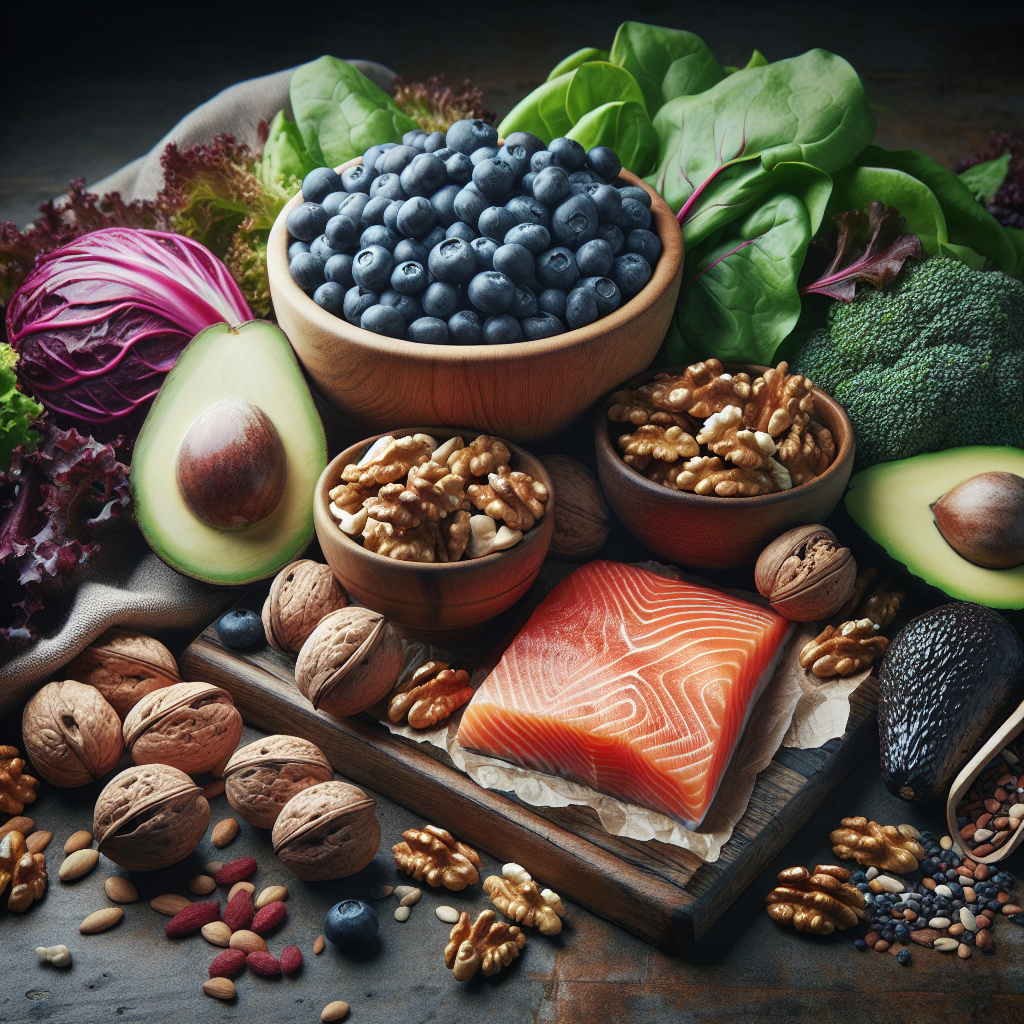
Prioritizing organic options is crucial, as they are free from harmful pesticides and additives that can exacerbate inflammation. For instance, incorporating a variety of colorful fruits and vegetables can provide a broad spectrum of phytonutrients that enhance the body’s anti-inflammatory response. Additionally, healthy fats from sources like avocados and olive oil can further support this process by reducing inflammatory signaling pathways.
One common mistake is overlooking the importance of balancing macronutrients. While focusing on whole foods, it’s vital to maintain a proper ratio of carbohydrates, proteins, and fats to ensure optimal nutrition. Additionally, being aware of food sensitivities, such as gluten or dairy, can also play a critical role in managing inflammation levels. Identifying and eliminating these triggers can lead to significant improvements in chronic inflammation markers.
Understanding Chronic Inflammation
Chronic inflammation is a prolonged inflammatory response that can lead to various health issues, including heart disease, diabetes, and autoimmune disorders. It often results from lifestyle factors such as poor diet, lack of exercise, and stress. Understanding the root causes of chronic inflammation is essential for effective management through nutrition.
One of the major contributors to chronic inflammation is the consumption of processed foods high in sugars and unhealthy fats. These foods can lead to an imbalance in the body’s inflammatory processes. To counteract this, adopting an organic whole food diet can provide the necessary nutrients to restore balance and reduce inflammation.
Moreover, many people underestimate the impact of stress and sleep on inflammation levels. Chronic stress can elevate cortisol, leading to increased inflammation. Therefore, addressing lifestyle factors alongside a nutritious diet is critical for comprehensive inflammation management.
Key Organic Whole Foods for Reducing Inflammation
Incorporating specific organic whole foods into your diet can significantly help reduce chronic inflammation markers. Foods such as leafy greens, berries, fatty fish, nuts, and seeds are particularly beneficial. Leafy greens like spinach and kale are rich in antioxidants and anti-inflammatory compounds that help protect the body against oxidative stress.
Fatty fish, such as salmon and mackerel, are excellent sources of omega-3 fatty acids, which are known to reduce inflammation. Including a variety of colorful fruits, especially berries, can provide a high level of antioxidants, further helping to fight inflammation. Additionally, nuts and seeds, such as walnuts and chia seeds, are rich in healthy fats and fiber that support gut health, which is intimately linked to inflammation.
It’s also important to consider the method of preparation. Cooking methods such as steaming, grilling, or baking are preferable to frying, which can introduce harmful compounds that may exacerbate inflammation. Prioritizing whole, minimally processed foods will yield the best results in managing inflammation.
Practical Approaches to Implementing Whole Food Nutrition
Implementing organic whole food nutrition requires a strategic approach to meal planning and preparation. Start by incorporating a variety of whole foods into your daily meals, aiming for a colorful plate that includes different fruits and vegetables. This not only enhances nutrient diversity but also makes meals more appealing.
Meal prepping can be an effective strategy to ensure that healthy options are readily available. Preparing meals in advance allows for better control over ingredients and portion sizes, helping to avoid the temptation of processed foods. Additionally, consider using herbs and spices, such as turmeric and ginger, known for their anti-inflammatory properties, to enhance flavor and health benefits.
Another key aspect is staying hydrated. Drinking plenty of water and herbal teas can support overall health and help to flush out toxins that contribute to inflammation. It is also wise to listen to your body and adjust your diet based on how different foods affect your inflammation levels.
Further Reading
Authoritative Sources
- Anti-Inflammatory Diets: A Review
ncbi.nlm.nih.govThis review discusses various dietary patterns that can influence inflammation and provides insights into the role of food choices
- The Anti-Inflammatory Diet
health.harvard.eduHarvard Health provides an overview of the anti-inflammatory diet, highlighting key foods and their benefits
- Understanding the Anti-Inflammatory Diet
verywellfit.comThis article explains the principles of an anti-inflammatory diet and offers practical tips for implementation
Frequently Asked Questions
What are the best foods for reducing inflammation?
Foods rich in omega-3 fatty acids, antioxidants, and fiber, such as fatty fish, leafy greens, berries, and nuts, are among the best for reducing inflammation.
How quickly can diet affect inflammation levels?
Dietary changes can lead to noticeable improvements in inflammation levels within a few weeks, especially when incorporating anti-inflammatory foods.
Are there any foods to avoid for inflammation?
Processed foods high in sugar, trans fats, and refined carbohydrates should be avoided as they can increase inflammation levels in the body.
Can exercise help reduce inflammation?
Yes, regular physical activity can help lower inflammation levels by improving circulation and reducing body fat, which is linked to chronic inflammation.
Is it necessary to go fully organic to reduce inflammation?
While not strictly necessary, choosing organic foods can help minimize exposure to pesticides and additives that may contribute to inflammation.
Conclusion
Reducing chronic inflammation markers through organic whole food nutrition is a practical and effective strategy. By focusing on a diet rich in anti-inflammatory foods, individuals can significantly improve their health outcomes. Prioritizing whole foods, being mindful of food sensitivities, and maintaining a balanced diet are crucial steps. Implementing these dietary changes can lead to long-term benefits, including reduced inflammation and improved overall well-being. Start today by making small adjustments to your meals and observing how your body responds to these positive changes.