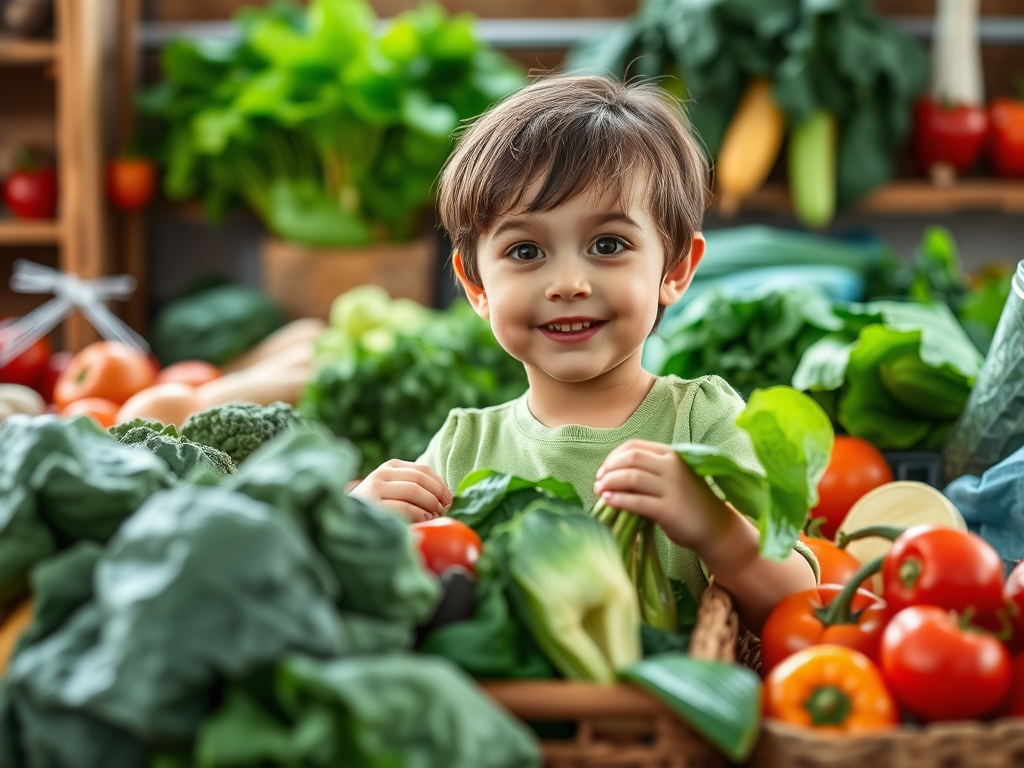
The benefits of organic produce for children's health include enhanced nutritional value, reduced pesticide exposure, and support for healthy growth and development. Organic fruits and vegetables often contain higher levels of essential nutrients and antioxidants, which are crucial for children's immune systems and overall well-being. Additionally, choosing organic can minimize children's exposure to harmful chemicals, promoting safer eating habits and fostering a healthier lifestyle. By integrating organic produce into their diets, parents can contribute to their children's long-term health outcomes.
Nutritional Advantages of Organic Produce
Organic produce is often celebrated for its superior nutritional profile compared to conventional alternatives. Studies have shown that organic fruits and vegetables can contain higher levels of vitamins, minerals, and antioxidants, which are crucial for children’s health. For instance, organic tomatoes have been found to have greater concentrations of vitamin C and other phytonutrients that support immune function.
One reason for this nutritional advantage is the farming practices used in organic agriculture. Organic farming focuses on soil health, crop rotation, and biodiversity, which can enhance the nutrient content of the produce. Additionally, these practices avoid synthetic fertilizers and pesticides that can affect the quality of the food. For parents, providing organic options means offering their children foods that are not only healthier but also more beneficial for their growth and development.
Nutritional Advantages of Organic Produce matters because it turns the benefits of organic produce for children's health from a broad idea into a decision the reader can actually apply. The practical difference usually shows up in the details: how much is needed, when the choice is made, what tradeoff is acceptable, and what sign shows the approach is working. For nutrition topics, the strongest advice connects portion size, food quality, timing, and recovery instead of treating every meal as a fixed serving.
A useful way to handle this section is to compare the normal baseline with the situation that creates extra demand. If organic is the baseline concern, then produce becomes the adjustment point and children becomes the outcome to watch. That keeps the advice specific without forcing the reader into a rigid formula that may not fit their routine, budget, tolerance, schedule, or current level of experience.
The most common mistake is changing too many variables at once. A better approach is to choose one measurable adjustment, use it consistently long enough to see a pattern, and then refine the next step based on energy, comfort, performance, safety, or reliability. This makes the guidance easier to trust because the reader can connect the recommendation to what they observe rather than guessing from a generic checklist.
The practical takeaway is to make the section actionable: identify the main constraint, choose the smallest useful change, and compare the result against the goal. When the outcome improves, the reader can keep the approach. When it does not, the next change should target the most likely bottleneck rather than repeating the same step with more effort.
Reduced Pesticide Exposure
One of the primary concerns for parents regarding children’s health is exposure to harmful substances, including pesticides. Research indicates that children are more vulnerable to the effects of these chemicals due to their developing bodies and higher consumption rates relative to their size. By choosing organic produce, parents can significantly reduce their children’s exposure to pesticide residues.
Organic farming prohibits the use of synthetic pesticides and herbicides, relying instead on natural methods for pest control, such as crop rotation and beneficial insects. This not only helps protect the environment but also ensures that the food children consume is free from potentially harmful chemicals. Reducing pesticide exposure is critical for minimizing health risks, including developmental issues and long-term health conditions.
Reduced Pesticide Exposure matters because it turns the benefits of organic produce for children's health from a broad idea into a decision the reader can actually apply. The practical difference usually shows up in the details: how much is needed, when the choice is made, what tradeoff is acceptable, and what sign shows the approach is working. For nutrition topics, the strongest advice connects portion size, food quality, timing, and recovery instead of treating every meal as a fixed serving.
A useful way to handle this section is to compare the normal baseline with the situation that creates extra demand. If children is the baseline concern, then health becomes the adjustment point and organic becomes the outcome to watch. That keeps the advice specific without forcing the reader into a rigid formula that may not fit their routine, budget, tolerance, schedule, or current level of experience.
Supporting Healthy Growth and Development
The benefits of organic produce extend beyond nutrition and pesticide exposure; they also play a vital role in supporting children’s growth and development. Essential nutrients found in organic fruits and vegetables contribute to bone health, cognitive function, and overall physical development. For example, organic leafy greens are rich in calcium and vitamins A and K, which are important for developing strong bones and teeth.
Moreover, incorporating a variety of organic produce into children’s diets can encourage healthy eating habits from a young age. When children are exposed to a wide range of flavors and textures found in organic fruits and vegetables, they are more likely to develop a preference for healthy foods as they grow older. This early foundation can lead to lifelong healthy eating patterns, reducing the risk of obesity and related health issues.
Supporting Healthy Growth and Development matters because it turns the benefits of organic produce for children's health from a broad idea into a decision the reader can actually apply. The practical difference usually shows up in the details: how much is needed, when the choice is made, what tradeoff is acceptable, and what sign shows the approach is working. For nutrition topics, the strongest advice connects portion size, food quality, timing, and recovery instead of treating every meal as a fixed serving.
A useful way to handle this section is to compare the normal baseline with the situation that creates extra demand. If organic is the baseline concern, then children becomes the adjustment point and produce becomes the outcome to watch. That keeps the advice specific without forcing the reader into a rigid formula that may not fit their routine, budget, tolerance, schedule, or current level of experience.
Practical Tips for Incorporating Organic Produce
Integrating organic produce into your child’s diet can be straightforward and rewarding. Here are some practical tips to ensure that your family benefits from organic options:
- Start Small: Begin by introducing a few organic fruits and vegetables at a time. This gradual approach can help children adapt to new flavors without overwhelming them.
- Involve Children in Shopping: Take your children grocery shopping and allow them to choose organic produce. This involvement can increase their interest in trying new foods.
- Educate on Benefits: Teach your children about the importance of healthy eating and the benefits of organic produce. Understanding why they are eating certain foods can make them more willing to try them.
- Experiment with Recipes: Incorporate organic produce into favorite meals and snacks. Smoothies, salads, and stir-fries are great ways to include a variety of organic ingredients.
- Grow Your Own: If possible, consider starting a small garden where children can help grow their own organic fruits and vegetables. This hands-on experience can foster a deeper appreciation for healthy eating.
For more information on the benefits of organic produce for children’s health, consider exploring resources from reputable organizations such as the USDA and the Environmental Working Group. These sources provide valuable insights into organic farming practices and their impact on health.
Practical Tips for Incorporating Organic Produce matters because it turns the benefits of organic produce for children's health from a broad idea into a decision the reader can actually apply. The practical difference usually shows up in the details: how much is needed, when the choice is made, what tradeoff is acceptable, and what sign shows the approach is working. For nutrition topics, the strongest advice connects portion size, food quality, timing, and recovery instead of treating every meal as a fixed serving.
A useful way to handle this section is to compare the normal baseline with the situation that creates extra demand. If organic is the baseline concern, then produce becomes the adjustment point and children becomes the outcome to watch. That keeps the advice specific without forcing the reader into a rigid formula that may not fit their routine, budget, tolerance, schedule, or current level of experience.
Frequently Asked Questions
Why is organic produce better for children's health?
Organic produce is often higher in nutrients and free from harmful pesticides, making it a healthier choice for children.
How can I tell if produce is organic?
Look for labels that state "USDA Organic" or similar certifications, which ensure the produce meets organic farming standards.
Are organic foods more expensive?
Organic foods can be pricier due to more sustainable farming practices, but buying in bulk or choosing seasonal organic options can help manage costs.
What are some common misconceptions about organic food?
Many believe organic food is not as nutritious as conventional food, but studies show organic produce often has higher nutrient levels.
How can I encourage my child to eat more organic fruits and vegetables?
Involve them in the shopping process, educate them about the benefits, and incorporate organic produce into their favorite recipes.
Conclusion
Choosing organic produce for your children is a proactive step toward ensuring their health and well-being. With its nutritional advantages, reduced pesticide exposure, and support for healthy growth, organic food can play a vital role in fostering lifelong healthy habits. By gradually incorporating organic options into their diets and educating them about the importance of nutritious eating, parents can set their children on a path toward better health outcomes.