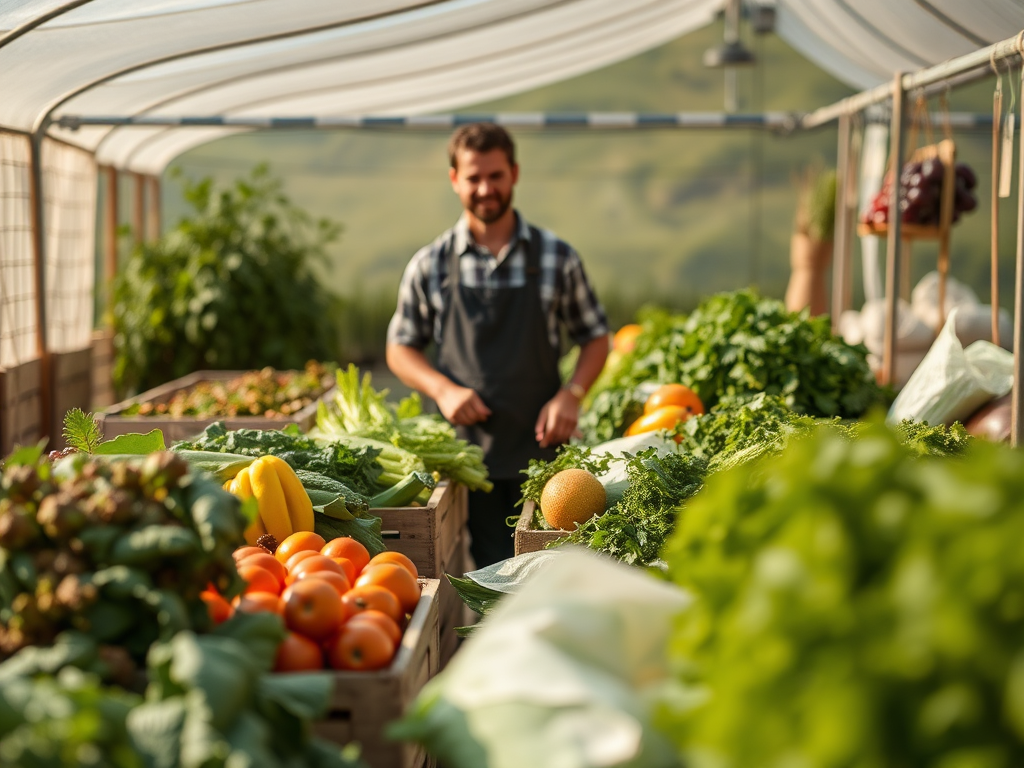
The Role of Community-Supported Agriculture in Organic Eating: Benefits and Practical Applications is best handled by matching the recommendation to behavior, environment, consistency, health, and the animal’s response. Start with the clearest need, choose one practical adjustment, and measure whether it improves the result before changing anything else. A stronger approach compares the most reliable option with the easiest shortcut, then uses the reader’s actual response to decide what comes next. This keeps the guidance useful, specific, and easier to apply without turning the article into a generic checklist. When the result is unclear, review the most likely bottleneck first instead of adding more effort to the same step.
What Is Community-Supported Agriculture?
Community-supported agriculture (CSA) is a model that allows consumers to purchase a share of a farm’s harvest in advance, providing farmers with the necessary capital to grow their crops. This direct relationship between farmers and consumers fosters a sense of community and encourages the consumption of fresh, seasonal organic produce. CSAs often offer a variety of products, including fruits, vegetables, dairy, and meats, depending on local agricultural practices and consumer preferences.
By participating in a CSA, consumers gain insight into the farming process and the challenges farmers face. This transparency enhances the appreciation of food and encourages sustainable practices. CSAs also promote biodiversity by supporting diverse crop production, which can lead to healthier ecosystems.
What Is Community-Supported Agriculture? matters because it turns the role of community-supported agriculture in organic eating from a broad idea into a decision the reader can actually apply. The practical difference usually shows up in the details: how much is needed, when the choice is made, what tradeoff is acceptable, and what sign shows the approach is working. For nutrition topics, the strongest advice connects portion size, food quality, timing, and recovery instead of treating every meal as a fixed serving.
A useful way to handle this section is to compare the normal baseline with the situation that creates extra demand. If community-supported is the baseline concern, then agriculture becomes the adjustment point and organic becomes the outcome to watch. That keeps the advice specific without forcing the reader into a rigid formula that may not fit their routine, budget, tolerance, schedule, or current level of experience.
The most common mistake is changing too many variables at once. A better approach is to choose one measurable adjustment, use it consistently long enough to see a pattern, and then refine the next step based on energy, comfort, performance, safety, or reliability. This makes the guidance easier to trust because the reader can connect the recommendation to what they observe rather than guessing from a generic checklist.
The practical takeaway is to make the section actionable: identify the main constraint, choose the smallest useful change, and compare the result against the goal. When the outcome improves, the reader can keep the approach. When it does not, the next change should target the most likely bottleneck rather than repeating the same step with more effort.
Benefits of Community-Supported Agriculture
Participating in a CSA offers numerous benefits for both consumers and farmers. First and foremost, it provides access to fresh, organic produce that is often harvested just before delivery, ensuring peak flavor and nutritional value. This immediate connection to the source of food enhances the eating experience and encourages healthier dietary choices.
In addition to superior quality, consumers often enjoy lower prices compared to retail grocery stores. By cutting out the middleman, CSAs can offer competitive pricing while ensuring that a larger portion of the money spent goes directly to the farmers. This financial model not only supports local economies but also promotes the viability of small-scale farms, which are essential for maintaining agricultural diversity.
Another significant benefit is the reduction of food waste. CSAs typically operate on a subscription model that encourages members to utilize the produce they receive, leading to more mindful consumption. By providing seasonal produce, CSAs help consumers understand what is available at different times of the year, fostering a deeper connection to the food cycle.
Benefits of Community-Supported Agriculture matters because it turns the role of community-supported agriculture in organic eating from a broad idea into a decision the reader can actually apply. The practical difference usually shows up in the details: how much is needed, when the choice is made, what tradeoff is acceptable, and what sign shows the approach is working. For nutrition topics, the strongest advice connects portion size, food quality, timing, and recovery instead of treating every meal as a fixed serving.
A useful way to handle this section is to compare the normal baseline with the situation that creates extra demand. If community-supported is the baseline concern, then agriculture becomes the adjustment point and organic becomes the outcome to watch. That keeps the advice specific without forcing the reader into a rigid formula that may not fit their routine, budget, tolerance, schedule, or current level of experience.
How to Get Involved with a CSA
Getting involved with a CSA is a straightforward process that begins with researching local farms that offer this model. Many farms have websites or social media pages that provide information about their offerings, subscription options, and pricing. It’s essential to consider factors such as the types of produce available, the length of the season, and the pickup or delivery methods.
Once you identify a CSA that aligns with your preferences, you can typically sign up online or at a local farmers’ market. Many CSAs offer various share sizes to accommodate different household needs, so you can choose a plan that fits your consumption habits. Engaging with a CSA often includes regular newsletters or updates about farm activities, recipes, and upcoming events, further enhancing the community experience.
How to Get Involved with a CSA matters because it turns the role of community-supported agriculture in organic eating from a broad idea into a decision the reader can actually apply. The practical difference usually shows up in the details: how much is needed, when the choice is made, what tradeoff is acceptable, and what sign shows the approach is working. For technology topics, the strongest advice connects the user goal, system constraint, maintenance burden, and measurable outcome.
A useful way to handle this section is to compare the normal baseline with the situation that creates extra demand. If role is the baseline concern, then community-supported becomes the adjustment point and agriculture becomes the outcome to watch. That keeps the advice specific without forcing the reader into a rigid formula that may not fit their routine, budget, tolerance, schedule, or current level of experience.
The most common mistake is changing too many variables at once. A better approach is to choose one measurable adjustment, use it consistently long enough to see a pattern, and then refine the next step based on energy, comfort, performance, safety, or reliability. This makes the guidance easier to trust because the reader can connect the recommendation to what they observe rather than guessing from a generic checklist.
Challenges and Considerations
While CSAs offer numerous advantages, there are also challenges to consider. One common issue is the variability in produce quantity and type, which can lead to surprises in what you receive each week. This unpredictability may require consumers to adapt their cooking habits and meal planning, which can be a learning curve for some.
Additionally, CSAs typically operate on a subscription basis, meaning that upfront payment is required. This model may not be feasible for everyone, particularly those with tight budgets. However, many farms offer payment plans or sliding scale options to increase accessibility.
Another consideration is the commitment to consume the produce received. Members must be prepared to utilize various items, including those that may be unfamiliar. This can be an excellent opportunity to explore new recipes and cooking techniques but may feel daunting for some. To mitigate this, many CSAs provide resources, such as recipe suggestions and cooking tips, to help members make the most of their shares.
Challenges and Considerations matters because it turns the role of community-supported agriculture in organic eating from a broad idea into a decision the reader can actually apply. The practical difference usually shows up in the details: how much is needed, when the choice is made, what tradeoff is acceptable, and what sign shows the approach is working. For nutrition topics, the strongest advice connects portion size, food quality, timing, and recovery instead of treating every meal as a fixed serving.
A useful way to handle this section is to compare the normal baseline with the situation that creates extra demand. If csas is the baseline concern, then cooking becomes the adjustment point and role becomes the outcome to watch. That keeps the advice specific without forcing the reader into a rigid formula that may not fit their routine, budget, tolerance, schedule, or current level of experience.
Frequently Asked Questions
What is the typical duration of a CSA season?
The duration of a CSA season can vary, but most run from late spring to early fall, lasting about 20 to 24 weeks.
Can I choose what produce I receive in a CSA?
Many CSAs offer a choice between standard shares and customizable options, but this varies by farm. Some allow members to swap items based on preferences.
Are CSAs organic?
While many CSAs focus on organic practices, not all are certified organic. It's essential to check with the farm regarding their growing methods.
What happens if I go on vacation during the CSA season?
Most CSAs offer options to pause your subscription or allow you to arrange for a friend to pick up your share while you're away.
How do I find a CSA near me?
You can find a CSA by searching online directories or local agricultural extension services that list participating farms in your area.
Conclusion
Community-supported agriculture is a valuable model that enhances organic eating by connecting consumers with local farmers and providing fresh, seasonal produce. By participating in a CSA, individuals can enjoy numerous benefits, including access to high-quality organic food, support for local economies, and a deeper understanding of the food system. While challenges exist, the rewards of joining a CSA often outweigh the potential downsides, making it a worthwhile consideration for anyone interested in embracing organic eating.