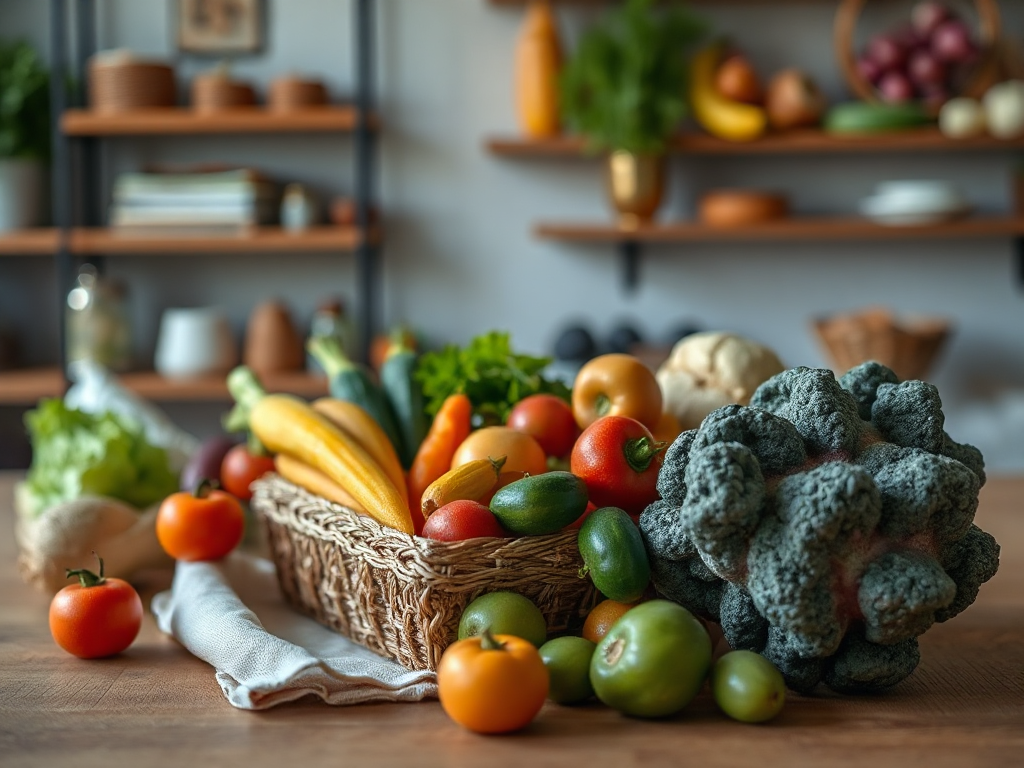
Seasonality in organic food choices is essential for maximizing nutrition, flavor, and sustainability. By selecting seasonal produce, you benefit from fruits and vegetables that are harvested at their peak, ensuring higher nutrient content and superior taste. Additionally, buying seasonal organic foods supports local farmers and reduces carbon emissions linked to transportation. To make informed choices, familiarize yourself with what is in season in your region, and consider visiting local farmers' markets. This practice not only enhances your diet but also fosters a connection with your community and the environment.
Understanding Seasonality in Food Choices
Seasonality in food choices refers to the natural cycle of food availability throughout the year. Different crops thrive in specific climates and conditions, leading to variations in what is available during each season. Understanding this cycle is crucial for making informed organic food choices. Seasonal produce not only tastes better but also retains more nutrients, as it is harvested at its peak ripeness.
For example, tomatoes are typically in season during the summer months, while root vegetables like carrots and beets are harvested in the fall. By prioritizing seasonal foods, consumers can enjoy a more vibrant and flavorful diet. Additionally, seasonal eating encourages a diverse intake of nutrients, as different foods offer varying health benefits throughout the year.
Benefits of Choosing Seasonal Organic Foods
Opting for seasonal organic foods offers numerous advantages. First and foremost, seasonal produce is fresher, as it does not require long transportation times, which helps preserve its nutritional value. Fresh fruits and vegetables often contain higher levels of vitamins and minerals compared to those that have been stored for long periods.
Moreover, purchasing seasonal organic food supports local agriculture, which contributes to the economy and reduces the carbon footprint associated with food transportation. When consumers buy locally, they help ensure that farmers can continue to cultivate sustainable practices. This not only benefits the environment but also strengthens local communities.
How to Identify Seasonal Produce
Identifying seasonal produce can be straightforward with a bit of research. Many resources, including farmer’s markets, local co-ops, and online seasonal guides, can help consumers determine what is in season in their area. Additionally, some grocery stores label their produce according to its seasonal availability.
Another approach is to focus on what is naturally ripening in your region. For example, in spring, leafy greens like spinach and kale are abundant, while summer brings an array of berries and stone fruits. By keeping a seasonal calendar or chart, you can easily plan meals around what is freshest and most flavorful at any given time of year.
Challenges and Misconceptions
Despite the benefits of seasonal eating, there are challenges and misconceptions that can deter consumers. One common misconception is that seasonal food is not always available, especially in regions with harsh winters. However, many farmers grow cold-hardy crops that can withstand frost, and preservation methods like canning and freezing allow for seasonal foods to be enjoyed year-round.
Another challenge is the perception that seasonal eating limits food variety. While it may seem that options are restricted, embracing seasonality can actually encourage creativity in the kitchen. Seasonal produce often inspires new recipes and cooking techniques, making meals exciting and diverse. By understanding these challenges, consumers can make more informed choices about their organic food selections.
Frequently Asked Questions
What are the benefits of eating seasonal organic foods?
Eating seasonal organic foods ensures maximum freshness and flavor, supports local farmers, and reduces environmental impact through lower transportation emissions.
How can I find out what fruits and vegetables are in season?
Check local farmer's markets, grocery store labels, or online seasonal produce guides to determine what is currently in season in your area.
Does seasonal eating really make a difference in nutrition?
Yes, seasonal produce is often harvested at peak ripeness, which means it retains more nutrients compared to out-of-season produce that may be stored for long periods.
What are some common misconceptions about seasonal eating?
Many believe that seasonal eating limits variety, but it can actually inspire creativity in cooking and encourage exploration of new recipes based on what is fresh.
How can I incorporate more seasonal foods into my diet?
Plan meals around seasonal produce, visit local farmer's markets, and keep a seasonal calendar to discover new fruits and vegetables to try throughout the year.
Conclusion
Choosing seasonal organic foods not only enhances your diet with fresher flavors and higher nutritional value but also supports local agriculture and reduces environmental impact. By understanding the role of seasonality in organic food choices, you can make more informed decisions that benefit both your health and the planet. Start by exploring local options, trying new recipes, and embracing the diverse range of produce available throughout the year.