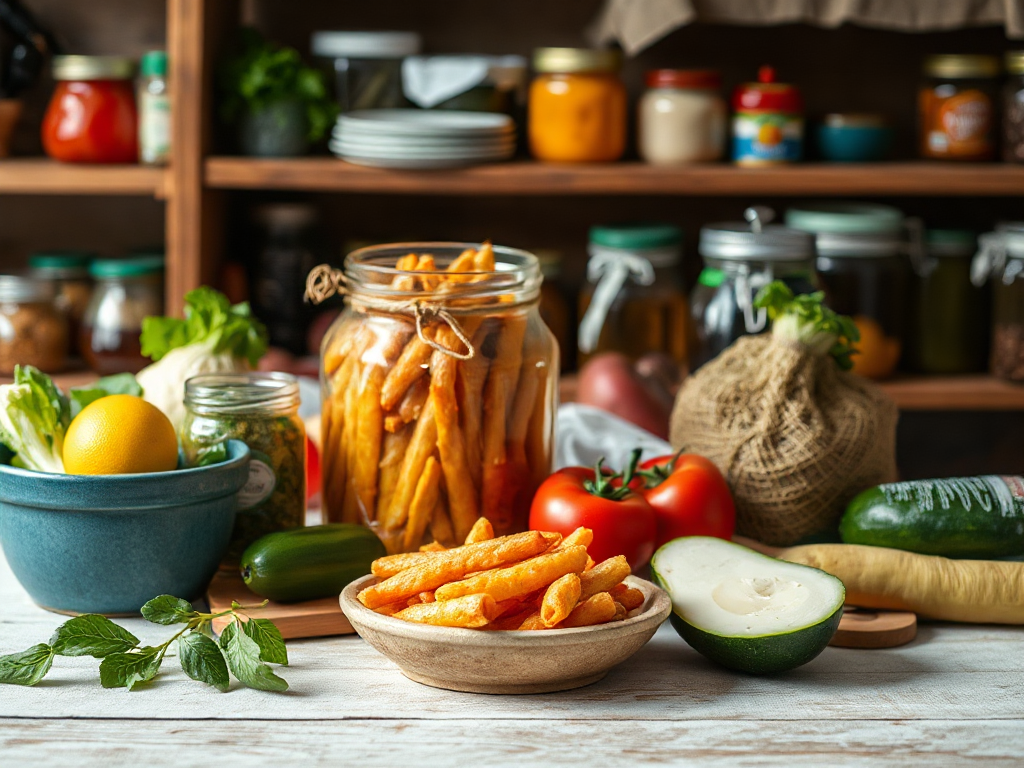
The shelf life of organic food is generally shorter than that of conventional food due to the lack of synthetic preservatives. Factors such as moisture content, temperature, and light exposure significantly influence how long organic products remain fresh. To enhance the longevity of organic foods, consumers should utilize proper storage techniques, including refrigeration and vacuum sealing, which help minimize spoilage. Additionally, selecting packaging that prevents moisture buildup can further extend freshness. Understanding these preservation methods is essential for making informed choices about organic food consumption.
Factors Affecting Organic Food Shelf Life
The shelf life of organic food is influenced by several key factors, including moisture content, temperature, and light exposure. Organic foods typically lack chemical preservatives, which can lead to a shorter shelf life compared to conventional foods. For instance, fruits and vegetables may spoil faster due to their higher moisture content and the natural ripening process. Additionally, exposure to light and fluctuating temperatures can accelerate spoilage, making understanding these factors essential for consumers.
Another important aspect is the packaging of organic foods. Materials that allow for air circulation can help prevent moisture buildup, which leads to mold growth. Conversely, vacuum-sealed packaging can extend shelf life by reducing exposure to air, thereby slowing down the oxidation process. Consumers should pay attention to packaging details to ensure they are purchasing products that are more likely to remain fresh for longer periods.
Common Preservation Techniques
Preservation techniques play a crucial role in extending the shelf life of organic foods. Common methods include refrigeration, freezing, canning, and drying. Refrigeration slows down the growth of bacteria and molds, making it a vital step for perishable items like dairy and fresh produce. Freezing can preserve nutrients while extending shelf life significantly, but it’s important to ensure foods are properly sealed to prevent freezer burn.
Canning is another effective method, especially for fruits and vegetables. The process involves heating food to kill harmful bacteria and sealing it in airtight containers, which can keep food safe for months or even years. However, it’s essential to follow safe canning guidelines to avoid issues such as botulism. Drying removes moisture, inhibiting microbial growth, and can be particularly useful for herbs, fruits, and meats, allowing for long-term storage.
Storage Best Practices for Organic Foods
To maximize the shelf life of organic foods, proper storage practices are essential. First, always store organic produce in a cool, dark place or in the refrigerator. Different types of fruits and vegetables have specific storage needs; for example, apples should be kept in a separate drawer to prevent ethylene gas from affecting other produce. Moreover, using breathable bags or containers can help maintain the right humidity levels.
For dry goods like grains and legumes, it’s crucial to keep them in airtight containers to prevent moisture absorption and pest infestations. Regularly checking for signs of spoilage, such as off smells or discoloration, can also help consumers manage their pantry more effectively. By understanding the best storage practices, consumers can enjoy their organic foods for longer periods without compromising quality.
Comparing Organic and Conventional Shelf Life
When comparing the shelf life of organic and conventional foods, it’s clear that organic products often have a shorter lifespan. This is primarily due to the absence of synthetic preservatives in organic foods, which can help extend their shelf life significantly. For example, an organic apple may last only one to two weeks in the fridge, while a conventional apple could remain fresh for several weeks, thanks to preservatives.
However, while organic foods may spoil faster, they often provide superior flavor and nutritional quality. Consumers should weigh the benefits of taste and health against the shorter shelf life when making their purchasing decisions. Understanding the differences can help consumers select organic options that fit their lifestyle and consumption habits.
Frequently Asked Questions
What is the average shelf life of organic fruits and vegetables?
Organic fruits and vegetables typically last between a few days to a couple of weeks, depending on the type and storage conditions.
How can I tell if organic food has gone bad?
Signs of spoilage include off smells, discoloration, mold growth, and a slimy texture.
Can I freeze organic foods to extend their shelf life?
Yes, freezing is an effective way to extend the shelf life of organic foods while preserving their nutrients.
What are the best storage practices for organic grains?
Store organic grains in airtight containers in a cool, dry place to prevent moisture and pest infestations.
Are organic foods worth the shorter shelf life?
Many consumers prefer organic foods for their superior flavor and nutritional quality, despite the shorter shelf life.
Conclusion
Understanding the truth about organic food shelf life is essential for making informed decisions about purchasing and consuming these products. By recognizing the factors that affect shelf life, employing effective preservation techniques, and adhering to best storage practices, consumers can maximize the freshness and quality of organic foods. Although organic options may spoil faster, their flavor and nutritional benefits often outweigh the drawbacks. Ultimately, consumers should prioritize their preferences and lifestyle when choosing between organic and conventional foods.