Vegetarian diet mistakes that reduce nutrient absorption often arise from various factors including inadequate food combinations, lack of nutrient diversity, and overlooking essential vitamins and minerals. For instance, vegetarians may struggle with iron absorption due to the presence of phytates in legumes and grains, which inhibit iron uptake.
Prioritizing nutrient absorption is vital for vegetarians. Many individuals mistakenly assume that simply eliminating meat is sufficient for a healthy diet. However, without careful planning, they may miss out on essential nutrients. Common errors include relying heavily on processed vegetarian foods and neglecting whole foods rich in vitamins and minerals. For example, consuming large amounts of dairy or wheat can hinder the absorption of certain nutrients, leading to long-term health issues.
Another common mistake is not recognizing the importance of food pairing. For instance, combining vitamin C-rich foods with iron sources can significantly enhance iron absorption. Moreover, vegetarians often overlook the need for omega-3 fatty acids, which are crucial for brain health. Incorporating sources like flaxseeds or chia seeds can help bridge this gap. By addressing these common pitfalls, vegetarians can improve their nutrient absorption and overall health.
==> Click Here for the best Certified Organic Product available - at a huge discount!
Understanding Nutrient Absorption Challenges
Vegetarian diets can present unique challenges in nutrient absorption due to the absence of certain animal products. Many plant-based foods contain compounds that inhibit the absorption of essential minerals. For example, oxalates found in spinach can hinder calcium absorption, while phytates in grains and legumes can block iron uptake. Recognizing these challenges is the first step in addressing them effectively.
Moreover, the reliance on a limited range of foods can exacerbate these issues. Vegetarians may inadvertently consume high amounts of foods that contain these inhibitors while not balancing their diet with adequate nutrient sources. This imbalance can lead to deficiencies over time, making it essential for vegetarians to be conscious of their food choices and combinations.
It’s also important to note that individual variations in digestion and metabolism can affect nutrient absorption. Factors such as age, gender, and overall health can influence how well nutrients are absorbed, necessitating a tailored approach to diet planning for vegetarians.
Common Nutrient Deficiencies in Vegetarian Diets
Many vegetarians experience deficiencies in critical nutrients, primarily vitamin B12, iron, and omega-3 fatty acids. Vitamin B12 is predominantly found in animal products, and its deficiency can lead to anemia and neurological issues. Vegetarians must seek fortified foods or consider supplements to meet their B12 needs.
Iron deficiency is another common concern, especially for women of childbearing age. Plant-based sources of iron, such as lentils and spinach, contain non-heme iron, which is less readily absorbed compared to heme iron found in meat. This necessitates careful dietary planning to ensure adequate intake.
Omega-3 fatty acids are crucial for cardiovascular and brain health. While plant sources like flaxseed and walnuts provide ALA (alpha-linolenic acid), the body must convert ALA into EPA and DHA, the more beneficial forms of omega-3s. This conversion is inefficient, making it essential for vegetarians to include a variety of omega-3 sources in their diets.
Food Pairing for Optimal Absorption
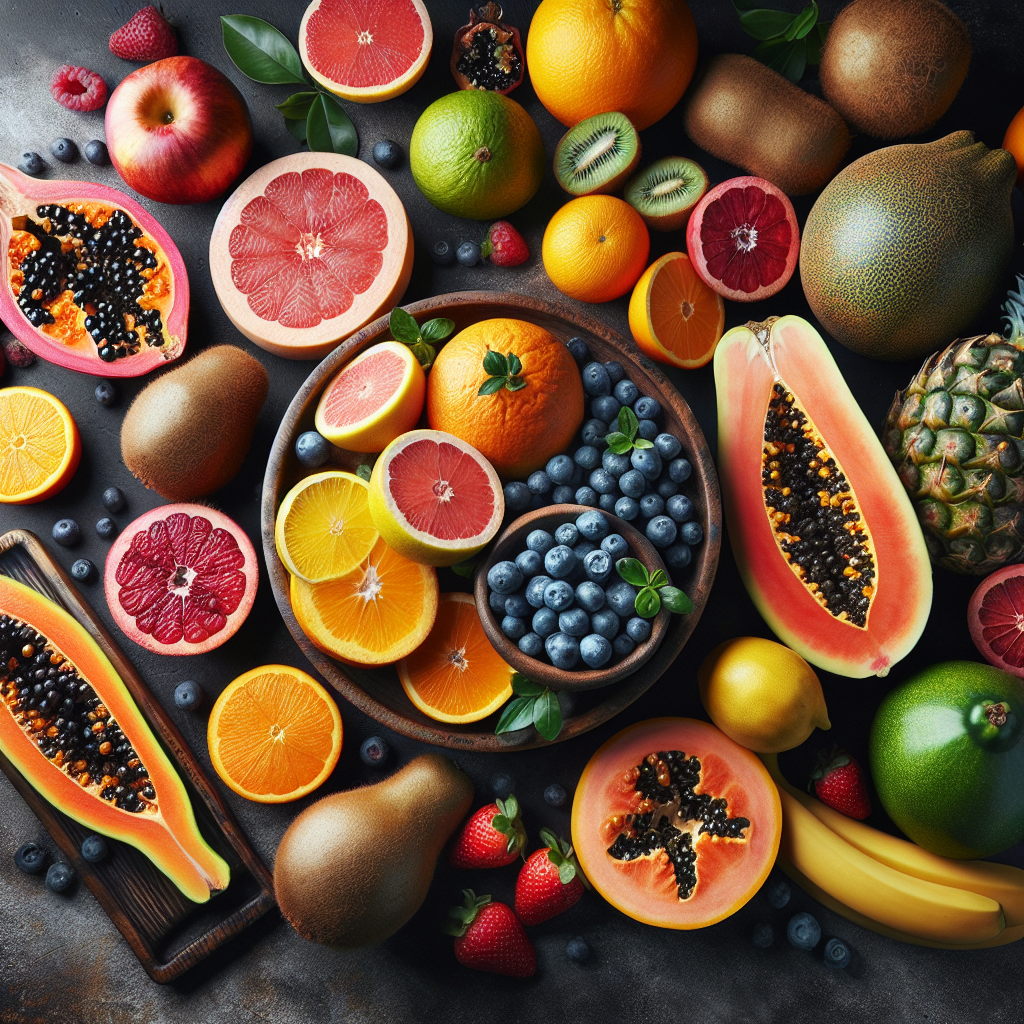
Food pairing plays a significant role in enhancing nutrient absorption for vegetarians. For instance, consuming vitamin C-rich foods, such as citrus fruits or bell peppers, alongside iron-rich foods can improve the absorption of non-heme iron. This simple strategy can make a substantial difference in iron levels.
Additionally, combining healthy fats with fat-soluble vitamins (A, D, E, and K) can enhance their absorption. For example, adding avocado to a salad can help absorb the vitamins present in leafy greens. Such combinations not only improve nutrient uptake but also contribute to a more flavorful and satisfying meal.
It’s important to be mindful of foods that inhibit absorption as well. For example, consuming tea or coffee with meals can reduce iron absorption due to their tannin content. Timing meals and snacks strategically can help mitigate these effects.
Practical Tips for Enhancing Nutrient Intake
To enhance nutrient intake and absorption, vegetarians should focus on diversifying their diet. Incorporating a wide variety of fruits, vegetables, whole grains, legumes, nuts, and seeds can help ensure a well-rounded nutrient profile. This variety also helps prevent dietary boredom and promotes overall health.
Consider meal prepping to include nutrient-dense foods throughout the week. For example, preparing lentil salads, quinoa bowls, or vegetable stir-fries can help ensure that meals are both nutritious and satisfying. Additionally, exploring new recipes can introduce unfamiliar but beneficial ingredients into the diet.
Consulting with a healthcare provider or a registered dietitian can also provide personalized insights into nutrient needs and supplementation. They can help assess dietary patterns and recommend specific strategies to improve nutrient absorption based on individual health goals.

==> Need an Energy Boost? Click Here for the best Organic Product available - at a huge discount!
Further Reading
For those looking to deepen their understanding of vegetarian diets and nutrient absorption, consider consulting recognized sources such as:
Authoritative Sources
- Nutritional Considerations for Vegetarian Diets
ncbi.nlm.nih.govThis resource provides a comprehensive overview of nutritional needs and considerations for those following vegetarian diets
- Academy of Nutrition and Dietetics
eatright.orgA reliable source for guidelines and tips on maintaining a balanced vegetarian diet
- Vitamin B12 Fact Sheet
ods.od.nih.govA detailed fact sheet that outlines the importance of vitamin B12, sources, and recommended intakes for vegetarians
- Iron Deficiency and Vegetarians
healthline.comThis article discusses how vegetarians can prevent iron deficiency through dietary choices
Frequently Asked Questions
What are the main nutrient absorption issues in vegetarian diets?
The main issues include insufficient iron and vitamin B12 intake, as well as the need to optimize omega-3 fatty acids. Poor food combinations can also hinder absorption.
How can I enhance iron absorption on a vegetarian diet?
To enhance iron absorption, pair iron-rich foods with vitamin C sources, avoid tea and coffee during meals, and include a variety of iron sources in your diet.
Are there specific foods to avoid for better nutrient absorption?
Avoid consuming calcium-rich foods and beverages like dairy at the same time as iron-rich meals, as they can inhibit iron absorption.
Should vegetarians take supplements?
Supplements may be necessary for nutrients like vitamin B12 and omega-3 fatty acids, especially if dietary sources are insufficient.
How can I ensure a balanced vegetarian diet?
Incorporate a wide variety of fruits, vegetables, whole grains, legumes, and nuts. Meal planning and consulting with a dietitian can also help ensure balance.
Conclusion
In conclusion, avoiding vegetarian diet mistakes that reduce nutrient absorption is crucial for maintaining health and vitality. By understanding common pitfalls such as nutrient deficiencies, the importance of food pairing, and the need for dietary diversity, vegetarians can significantly improve their nutrient intake. Prioritizing whole foods, considering supplementation, and consulting with health professionals can help ensure a balanced and nourishing vegetarian diet. Taking proactive steps today will lead to better health outcomes in the long run.

Related Content
- Unlock the Surprising Ways How Organic Foods Help Reduce Bloating Can Transform Your Digestion and Comfort
- How to Use Organic Carrots to Boost Your Immune System
- Unlocking the Secrets of Better Nutrition: Why Organic Foods Improve Nutrient Absorption More Than You Think
- Organic vs. Conventional Foods: What You Should Know
- The Surprising Power of Whole Food Nutrition in Healing