Highly active individuals who follow a vegetarian diet often encounter specific nutrition challenges that can impact their performance and overall health. Key concerns include obtaining sufficient protein, essential vitamins like B12, and minerals such as iron and zinc.
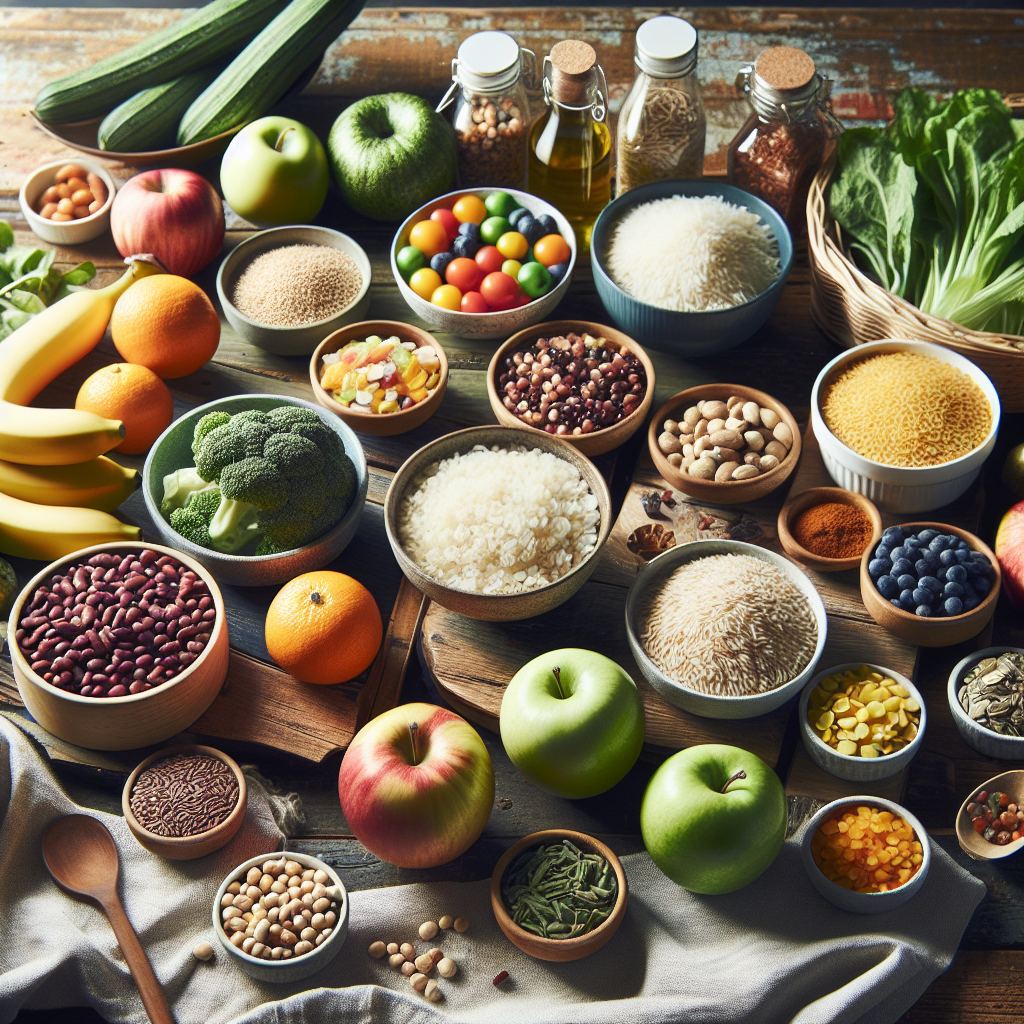
One common mistake many vegetarians make is underestimating their protein requirements. While plant-based proteins are available, they often lack one or more essential amino acids. Therefore, consuming a variety of protein sources, such as legumes, nuts, seeds, and whole grains, is vital. Additionally, timing meals around workouts can enhance nutrient absorption and energy utilization, which is particularly important for athletes.
Another challenge is ensuring adequate intake of vitamins and minerals that are less abundant in plant-based foods. For instance, Vitamin B12 is primarily found in animal products, making supplementation necessary for vegetarians. Likewise, iron from plant sources is less bioavailable than that from meat, so pairing iron-rich foods with vitamin C sources can enhance absorption. Prioritizing these aspects can help prevent deficiencies and optimize performance for active individuals.
==> Click Here for the best Certified Organic Product available - at a huge discount!
Understanding Protein Sources
Protein is a crucial macronutrient for anyone engaged in physical activity, especially for vegetarians. While many plant-based foods provide protein, they often lack complete amino acid profiles. Therefore, it’s important to combine different sources, such as quinoa, lentils, and chickpeas, to ensure all essential amino acids are consumed. Additionally, incorporating tofu, tempeh, and seitan can provide significant protein boosts.
Active individuals should aim for a higher protein intake than the average vegetarian. A common recommendation is to consume 1.2 to 2.0 grams of protein per kilogram of body weight, depending on activity levels. This can be achieved by including protein-rich snacks throughout the day, such as nut butters, protein bars, or smoothies that combine various protein sources.
Moreover, many athletes overlook the importance of post-workout nutrition. Consuming a meal or snack that combines carbohydrates and protein within 30-60 minutes after exercise can enhance recovery and muscle synthesis. This could be a smoothie with spinach, protein powder, and a banana or a chickpea salad with quinoa and vegetables.
Essential Vitamins and Minerals
In addition to protein, vegetarians must pay attention to vitamins and minerals that support energy metabolism and overall health. Vitamin B12 is essential for nerve function and the formation of red blood cells, yet it is primarily found in animal products. Vegetarians should consider fortified foods or supplements to meet their B12 needs.
Iron is another critical nutrient for active individuals. While plant sources like spinach, lentils, and beans are rich in iron, they contain non-heme iron, which is less readily absorbed by the body. To enhance absorption, pairing iron-rich foods with vitamin C sources—like citrus fruits or bell peppers—can significantly improve iron uptake.
Additionally, calcium and vitamin D are vital for bone health, especially for those who may not consume dairy products. Fortified plant milks and leafy greens can be good sources of calcium, while sunlight exposure helps the body produce vitamin D. When sun exposure is limited, supplements may be necessary.
Meal Timing and Planning
Effective meal timing can greatly influence performance and recovery for highly active vegetarians. Planning meals around training sessions is essential to ensure adequate energy levels and nutrient availability. For instance, consuming a carbohydrate-rich meal before workouts can provide the necessary fuel, while a balanced meal afterward aids in recovery.
Pre-workout meals should ideally be consumed 1-2 hours prior to exercise. Foods like oatmeal with fruit or a smoothie with protein powder are excellent choices. Post-workout, a combination of protein and carbohydrates—such as a bean wrap or a yogurt alternative with granola—can help replenish glycogen stores and promote muscle repair.
Meal prepping can also assist in maintaining a balanced diet. By preparing meals in advance, athletes can ensure they have access to nutrient-rich foods that meet their specific dietary needs, avoiding the temptation of convenience foods that may lack essential nutrients.
Common Mistakes to Avoid
One of the most common pitfalls for vegetarians is the reliance on processed meat alternatives, which can be high in sodium and additives. While these products can provide protein, they should not replace whole food sources. Instead, focus on whole grains, legumes, nuts, and seeds for a more nutrient-dense diet.
Another mistake is neglecting hydration. Active individuals often overlook their fluid needs, especially when consuming a plant-based diet. Dehydration can impair performance and recovery, so it’s important to drink water consistently throughout the day and consider electrolyte-rich beverages during intense workouts.
Finally, many active vegetarians underestimate their caloric needs. Engaging in high levels of physical activity requires a higher caloric intake to maintain energy levels and support recovery. Tracking food intake can help ensure that caloric needs are met without compromising nutritional quality.
==> Need an Energy Boost? Click Here for the best Organic Product available - at a huge discount!
Further Reading
Authoritative Sources
- Nutritional Considerations for Vegetarian Athletes
ncbi.nlm.nih.govThis source provides comprehensive insights into the dietary needs of vegetarian athletes, focusing on protein, vitamin, and mineral requirements
- Vegetarian Nutrition
eatright.orgExplore guidelines and recommendations for maintaining a balanced vegetarian diet while staying active
- Vegetarian Times
vegetariantimes.comA resource for recipes and meal planning tips tailored for vegetarians
Frequently Asked Questions
What are the main protein sources for vegetarians?
Vegetarians can obtain protein from beans, lentils, tofu, tempeh, quinoa, nuts, and seeds. Combining different sources ensures a complete amino acid profile.
How can vegetarians ensure they get enough iron?
Vegetarians should consume iron-rich foods like lentils and spinach, paired with vitamin C sources to enhance absorption. Consider monitoring iron levels with a healthcare provider.
Is B12 supplementation necessary for vegetarians?
Yes, since Vitamin B12 is primarily found in animal products, vegetarians should consider fortified foods or supplements to meet their B12 requirements.
What is the best time to eat before a workout?
A meal rich in carbohydrates should be consumed 1-2 hours before exercise to provide energy. Foods like oatmeal or a fruit smoothie are ideal.
How can meal prepping help vegetarians?
Meal prepping allows vegetarians to plan and prepare balanced meals in advance, ensuring consistent access to nutrient-rich foods and reducing reliance on convenience options.
Conclusion
In summary, navigating vegetarian nutrition challenges as a highly active individual requires careful planning and awareness of specific dietary needs. Prioritizing diverse protein sources, essential vitamins, and minerals is crucial for optimal performance and health. By understanding meal timing, avoiding common pitfalls, and ensuring adequate caloric intake, active vegetarians can thrive in their fitness endeavors while maintaining a balanced diet. Implementing these strategies will not only support athletic performance but also promote overall well-being.