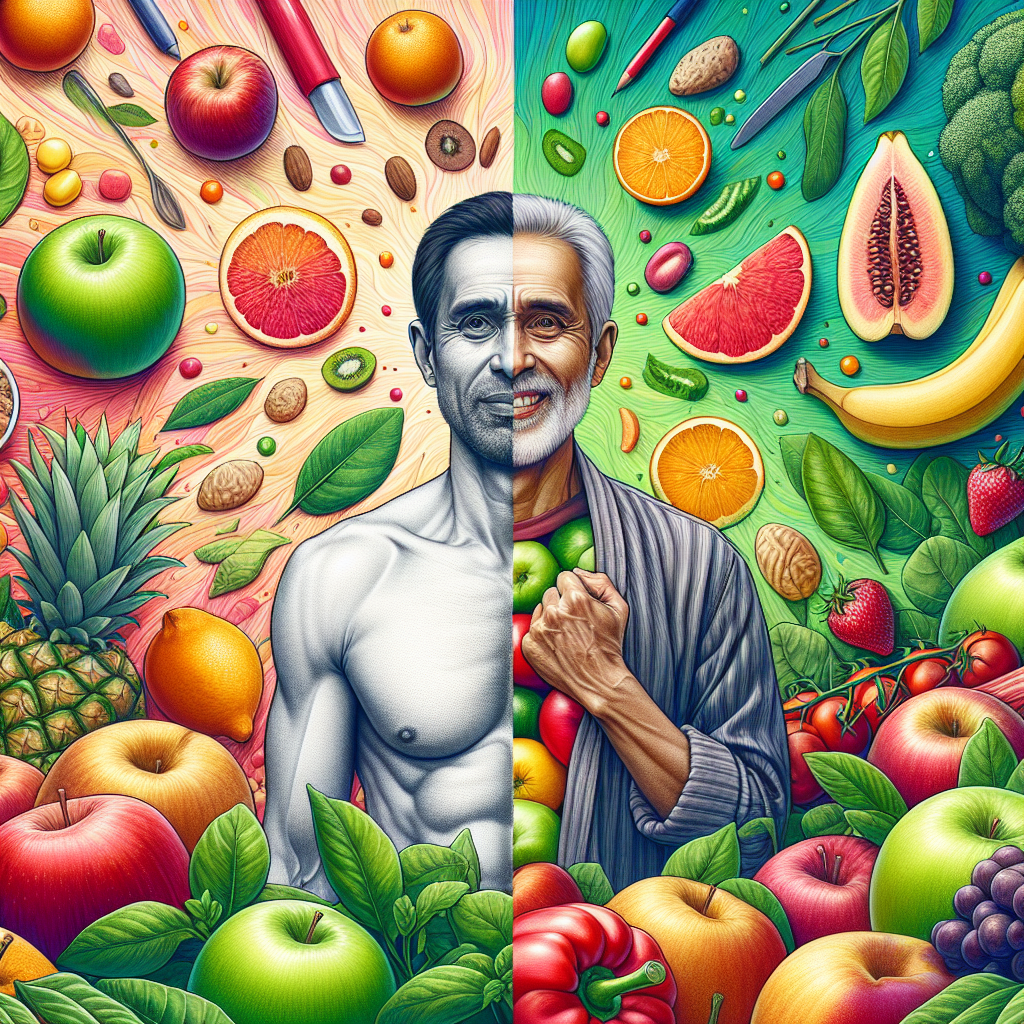
Vegetarian sources of iron that absorb efficiently are crucial for maintaining healthy iron levels, especially for those following plant-based diets. Foods such as lentils, chickpeas, quinoa, tofu, and dark leafy greens like spinach and kale are excellent options.
Understanding how to optimize iron absorption is vital for vegetarians, who may face a higher risk of iron deficiency due to the non-heme iron found in plant foods being less readily absorbed than the heme iron from animal sources. Factors such as the presence of phytates in legumes or oxalates in certain greens can inhibit absorption. To combat this, consider cooking methods like soaking, sprouting, or fermenting legumes and grains, which can significantly improve the bioavailability of iron.
Another common mistake is consuming calcium-rich foods or beverages like coffee and tea during meals, as these can interfere with iron absorption. It’s essential to time the consumption of these items appropriately, ideally having them at different times than your iron-rich meals. Additionally, integrating a variety of iron-rich foods into your diet ensures a broader nutrient profile, aiding in overall health.
==> Click Here for the best Certified Organic Product available - at a huge discount!
Top Vegetarian Sources of Iron
Among the best vegetarian sources of iron are lentils, which provide approximately 3.3 mg of iron per cooked cup. Chickpeas also offer a significant amount, with around 4.7 mg per cup. Quinoa is another great choice, containing about 2.8 mg per cup, and it is a complete protein, making it a valuable part of any vegetarian diet. Tofu contains about 3.9 mg of iron per half-cup serving, while leafy greens like spinach can provide around 6.4 mg per cooked cup, depending on preparation methods.
Incorporating a mix of these foods into your meals can help ensure adequate iron intake. For instance, a salad made with spinach, chickpeas, and a squeeze of lemon juice not only tastes great but also maximizes iron absorption thanks to the vitamin C from the lemon. Additionally, consider adding nuts and seeds, such as pumpkin seeds, which are rich in iron and can easily be sprinkled over various dishes.
Prioritize diversity in your diet by rotating these sources and experimenting with different recipes to keep meals interesting while meeting your nutritional needs. This approach not only helps in maintaining iron levels but also contributes to overall dietary balance.
Enhancing Iron Absorption
To improve the absorption of iron from vegetarian sources, pairing these foods with vitamin C-rich options is highly effective. Foods such as oranges, strawberries, bell peppers, and tomatoes can significantly enhance the uptake of non-heme iron. For example, adding slices of orange or a sprinkle of lemon juice to iron-rich dishes can help increase their nutritional value.
Another effective method is to consume fermented or sprouted versions of grains and legumes, as these processes can reduce phytates, which inhibit iron absorption. For instance, using sprouted quinoa or fermented tempeh can offer a more bioavailable form of iron. Cooking methods matter too; boiling vegetables can help reduce oxalate levels, further improving iron absorption.
It’s also beneficial to be mindful of the timing of meals. Consuming iron-rich foods separately from calcium-rich dairy products or calcium supplements can help avoid competition for absorption. Ideally, wait at least two hours after consuming calcium before having your iron-rich meal.
Common Mistakes to Avoid
One of the most frequent errors vegetarians make is underestimating their iron needs and not incorporating enough variety in their diet. Many believe that simply consuming a few iron-rich foods is sufficient without considering absorption factors. This can lead to deficiencies over time, especially in populations at higher risk, such as pregnant women or athletes.
Another common pitfall is overlooking the impact of dietary inhibitors on iron absorption. As mentioned earlier, consuming coffee or tea during meals can drastically reduce iron uptake. Additionally, high-calcium foods, such as dairy products, can also block iron absorption when consumed together. It’s crucial to create a meal plan that considers these factors to avoid deficiencies.
To mitigate these mistakes, keep a food journal to track your iron intake and absorption factors. This practice can help you identify patterns and make necessary adjustments to your diet. Regularly consulting with a nutritionist can also provide tailored advice based on your specific dietary needs.
Further Reading
Authoritative Sources
- Iron Fact Sheet for Health Professionals
ods.od.nih.govThis resource from the National Institutes of Health provides comprehensive information on iron, including dietary sources and absorption factors
- Iron Bioavailability from Diets Consisting of Legumes
ncbi.nlm.nih.govThis study explores the bioavailability of iron from legumes, offering insights into how cooking and preparation methods affect absorption
Frequently Asked Questions
What are the best vegetarian sources of iron?
The best vegetarian sources of iron include lentils, chickpeas, quinoa, tofu, and dark leafy greens like spinach and kale.
==> Need an Energy Boost? Click Here for the best Organic Product available - at a huge discount!
How can I improve iron absorption from plant sources?
To improve iron absorption, pair iron-rich foods with vitamin C-rich foods, avoid consuming calcium-rich foods at the same time, and consider cooking methods that reduce phytates.
Is it necessary to take iron supplements as a vegetarian?
While many vegetarians can meet their iron needs through diet alone, some may require supplements based on individual health needs or dietary restrictions. It’s best to consult a healthcare provider.
What foods inhibit iron absorption?
Foods that inhibit iron absorption include coffee, tea, dairy products, and high-calcium foods when consumed with iron-rich meals.
How much iron do vegetarians need daily?
Vegetarians typically need about 1.8 times more iron than non-vegetarians, which translates to around 32 mg for men and 18 mg for women per day.
Conclusion
Incorporating vegetarian sources of iron that absorb efficiently into your diet is essential for maintaining optimal health, especially in a vegetarian lifestyle. Focus on diverse foods like lentils, chickpeas, and dark leafy greens, while enhancing absorption through strategic pairings with vitamin C-rich items. Be mindful of inhibitors such as calcium-rich foods and beverages like coffee and tea. Regularly assess your dietary intake and consider consulting with a nutrition professional to ensure you meet your iron needs effectively. By prioritizing these practices, you can significantly improve your nutritional status and overall well-being.
Related Content
- How to Improve Your Health with Organic Vegetables and Fruits Without Breaking the Bank
- Energize Your Life Naturally: Top Reasons to Choose Certified Fruits and Vegetables for Energy
- “How Organic Food Choices Influence Community Health”
- The Ultimate Guide to an Organic Whole Foods Diet: 7 Effective Tips for 2025
- The Unexpected Ways Organic Vegetables and Fruits Benefit Your Body