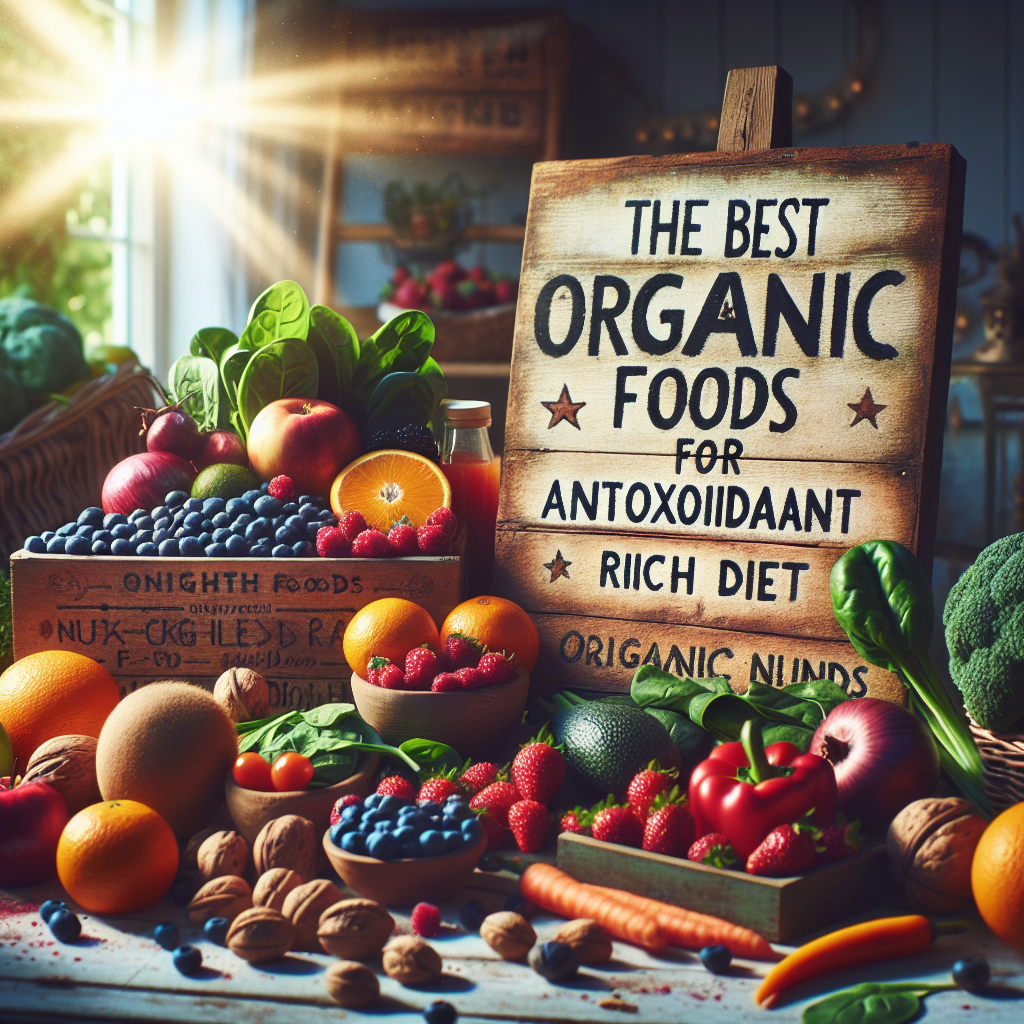
Organic vegetables generally boast higher levels of key nutrients such as antioxidants, vitamin C, and some minerals compared to their conventionally grown counterparts. This enhanced nutrient profile is attributed to the organic farming methods that prioritize natural fertilizers, crop rotation, and reduced use of synthetic pesticides. These practices contribute to stronger plant health and may lead to increased nutrient absorption from the soil.
Choosing organic produce can yield significant health benefits, particularly in terms of antioxidant content. Antioxidants play a crucial role in combating oxidative stress and reducing inflammation in the body. Moreover, the absence of synthetic chemicals in organic farming means that these vegetables are often fresher and more flavorful, which can encourage greater consumption of healthy foods. However, it’s important to remember that not all organic vegetables are created equal; factors such as soil quality, local growing conditions, and harvest timing can also influence nutrient levels.
Antioxidants in Organic Vegetables
One of the most notable benefits of consuming organic vegetables is their higher antioxidant content. Studies have shown that organic produce can contain significantly more antioxidants compared to conventionally grown options. Antioxidants, such as flavonoids and carotenoids, are essential for protecting cells from free radical damage and may reduce the risk of chronic diseases.
Additionally, the increased exposure to natural stressors in organic farming can enhance the plant’s production of these beneficial compounds. When choosing organic vegetables, consider varieties that are known for their high antioxidant levels, such as tomatoes, kale, and berries. These choices can help boost your overall antioxidant intake and support better health.
Vitamin Content Comparison
Vitamin content is another area where organic vegetables often outperform their conventional counterparts. For instance, organic vegetables typically have higher levels of vitamin C, which is crucial for immune function and skin health. This is likely due to the absence of synthetic fertilizers, which can lead to lower nutrient levels in conventionally grown produce.
Moreover, organic farming practices that focus on soil health can contribute to greater vitamin retention in vegetables. To maximize your vitamin intake, choose a variety of organic vegetables, including leafy greens, peppers, and citrus fruits, which are particularly rich in essential vitamins.
Minerals and Trace Elements
Organic vegetables may also contain higher concentrations of certain minerals and trace elements, such as iron, magnesium, and calcium. These nutrients are vital for various bodily functions, including bone health, muscle function, and energy production. The mineral content in organic produce is often linked to the organic practices that enhance soil health and fertility.
When selecting organic vegetables, be mindful of incorporating a diverse range to ensure an adequate intake of these essential minerals. Root vegetables like carrots and beets, as well as leafy greens, can be particularly beneficial for boosting mineral levels in your diet.
Impact of Farming Practices
The differences in nutrient content between organic and conventional vegetables can largely be attributed to the farming practices employed. Organic farming emphasizes crop rotation, composting, and the use of natural pest control methods, which can lead to healthier soil and more nutrient-dense produce. In contrast, conventional farming often relies on synthetic fertilizers and pesticides, which can negatively impact soil health and nutrient absorption.
Understanding the implications of these practices can help consumers make informed choices about the vegetables they purchase. While organic vegetables may have a higher upfront cost, the potential health benefits and nutrient richness can justify the investment in your overall well-being.
For those looking to dive deeper into the topic of organic vegetables and their nutrient profiles, consider exploring publications from agricultural universities or reputable health organizations. They often provide research studies and insights into the benefits and practices of organic farming.
Frequently Asked Questions
Are organic vegetables really more nutritious?
Yes, organic vegetables often contain higher levels of antioxidants, vitamins, and minerals compared to conventional vegetables due to organic farming practices.
What specific nutrients are higher in organic vegetables?
Organic vegetables typically have higher levels of antioxidants, vitamin C, iron, and magnesium.
Do organic vegetables taste better?
Many people find that organic vegetables have a fresher and more robust flavor due to their natural growing conditions and lack of synthetic chemicals.
Why are organic vegetables more expensive?
Organic vegetables often cost more due to higher production costs, stricter regulations, and lower yields associated with organic farming practices.
How can I maximize nutrient intake from organic vegetables?
To maximize nutrient intake, choose a diverse range of organic vegetables, eat them fresh, and incorporate various cooking methods to preserve their nutrients.
Conclusion
All in all, organic vegetables offer a range of nutritional benefits, including higher levels of antioxidants, vitamins, and minerals. These advantages stem from the natural farming practices that prioritize soil health and avoid synthetic chemicals. To enhance your nutrient intake, consider incorporating a variety of organic vegetables into your diet, focusing on those rich in specific nutrients like vitamin C and antioxidants. By making informed choices about your vegetable consumption, you can support better health and well-being.