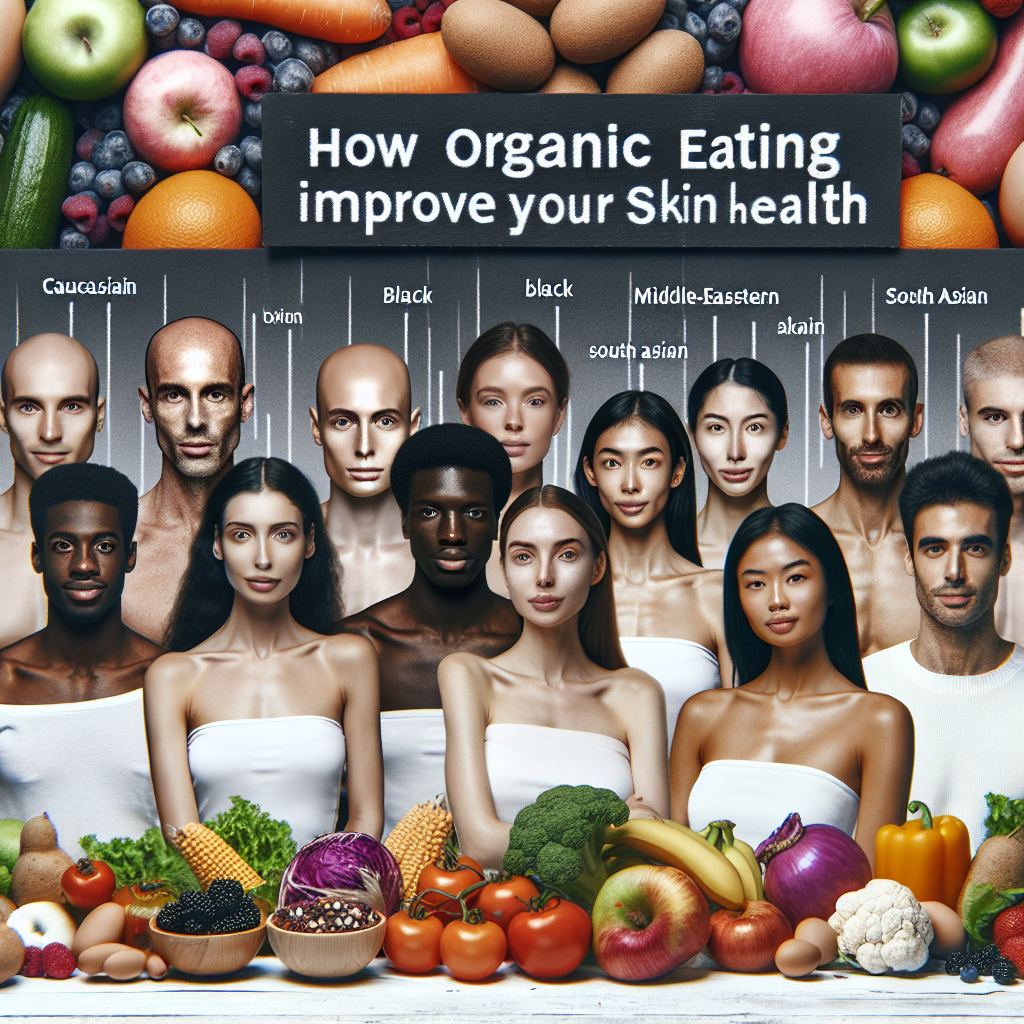
Organic nutrition is essential for fostering a healthy gut environment, which is critical for overall well-being. The benefits of consuming organic foods extend beyond just avoiding pesticides; they include enhanced nutrient absorption, better digestion, and a stronger immune system. Organic foods are often richer in antioxidants, vitamins, and minerals, which support the gut lining and promote the growth of beneficial gut bacteria.
However, many consumers fall into the trap of assuming that all organic foods are inherently healthy or that they can replace medical treatments for gut issues. The reality is that while organic nutrition can significantly improve gut health, it is not a cure-all. Understanding the nuances of what constitutes a healthy organic diet is vital for making informed choices that genuinely support gut healing.
The Importance of Gut Health
Gut health is often referred to as the cornerstone of overall health. A well-functioning gut is essential for nutrient absorption, immune function, and even mental health. The gut microbiome, a complex community of microorganisms residing in our intestines, plays a crucial role in these processes. Disruptions in gut health can lead to a variety of issues, including digestive disorders, autoimmune diseases, and mood disorders.
Many people underestimate the impact of diet on gut health. For instance, a diet high in processed foods can lead to dysbiosis, an imbalance of gut bacteria that contributes to inflammation and other health problems. In contrast, a focus on organic, whole foods can help restore balance and promote healing.
How Organic Foods Enhance Gut Function
Organic foods are typically grown without synthetic fertilizers and pesticides, which means they contain fewer harmful chemicals that can disrupt gut flora. Additionally, organic farming practices often prioritize soil health, which can lead to more nutrient-dense produce. This enhanced nutrient profile is vital for gut healing, as specific nutrients like fiber, omega-3 fatty acids, and polyphenols support the growth of beneficial bacteria.
Moreover, organic foods often contain higher levels of antioxidants, which help reduce inflammation in the gut. This anti-inflammatory effect is crucial, as chronic inflammation is a common contributor to many gut-related issues, including irritable bowel syndrome (IBS) and inflammatory bowel disease (IBD). By prioritizing organic options, individuals can significantly improve their gut health outcomes.
Common Pitfalls in Organic Eating
Despite the benefits, many consumers make common mistakes when transitioning to an organic diet. One major pitfall is assuming that organic snacks or processed foods are healthy simply because they are labeled as organic. It is essential to read labels carefully and focus on whole, minimally processed foods that provide real nutritional value.
Another mistake is neglecting variety. A diet that relies too heavily on a limited range of organic foods can lead to nutritional gaps. It is crucial to incorporate a diverse array of organic fruits, vegetables, grains, and proteins to ensure a balanced intake of nutrients that support gut health.
- Choose whole foods over processed organic options.
- Incorporate a variety of organic produce to avoid nutrient deficiencies.
- Be cautious of organic labels on high-sugar or high-fat snacks.
Practical Tips for Incorporating Organic Nutrition
To effectively integrate organic nutrition into your diet, start by prioritizing organic fruits and vegetables. These should form the foundation of your meals, as they are rich in essential nutrients and fiber that support gut health. When shopping, consider purchasing seasonal produce, which is often fresher and more affordable.
Another practical tip is to gradually replace non-organic staples with organic alternatives. Focus on the “Dirty Dozen,” a list of produce items that tend to have higher pesticide residues, and prioritize buying these organic. Additionally, consider joining a local community-supported agriculture (CSA) program, which can provide you with a regular supply of fresh organic produce.
Further Reading
For those interested in diving deeper into the relationship between organic nutrition and gut health, reputable resources include:
- “The Role of the Gut Microbiome in Health and Disease” – A comprehensive overview of how gut health impacts overall wellness.
- “Organic Farming and Its Impact on Nutrient Density” – An exploration of how organic farming practices affect food quality.
- “Understanding the Gut-Brain Connection” – Insights into how gut health influences mental health and emotional well-being.
Frequently Asked Questions
What are the benefits of organic nutrition for gut health?
Organic nutrition supports gut health by providing nutrient-dense foods that promote a balanced microbiome, reduce inflammation, and enhance digestion.
Can organic foods help with specific gut issues?
Yes, organic foods can help alleviate issues like IBS and IBD by reducing inflammation and promoting healthy gut bacteria.
Are all organic foods good for gut health?
No, not all organic foods are healthy. It’s essential to choose whole, minimally processed organic options for maximum benefits.
How can I start incorporating organic foods into my diet?
Begin by prioritizing organic fruits and vegetables, gradually replacing non-organic staples, and considering a CSA membership.
What are some common mistakes when eating organic?
A common mistake is assuming all organic products are healthy; it’s crucial to focus on whole foods and maintain variety.
Conclusion
To wrap up, prioritizing organic nutrition is a powerful strategy for supporting gut healing. By focusing on whole, nutrient-dense foods and avoiding common pitfalls, individuals can significantly enhance their digestive health and overall well-being. Start making informed choices today, and invest in your gut health for a brighter, healthier future.
