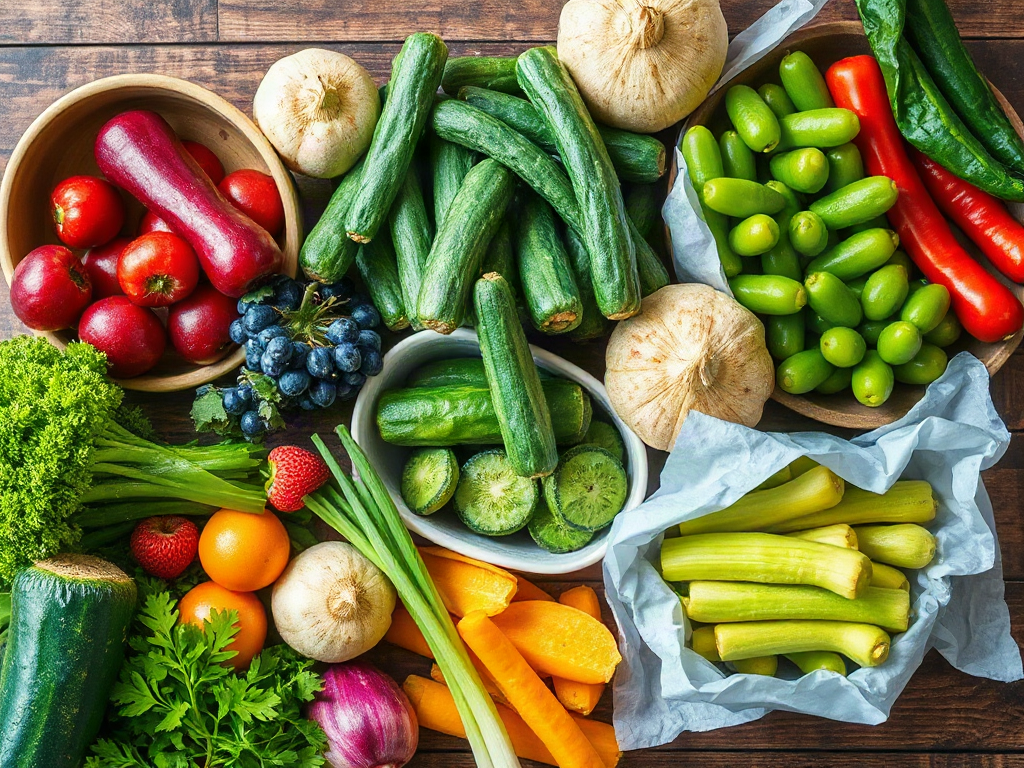
Organic produce meal planning from vulnerable items first means building the week around tender greens, ripe berries, cut herbs, mushrooms, and other foods that lose quality quickly, then assigning sturdier items such as cabbage, carrots, citrus, and winter squash to later meals. Check ripeness and condition before shopping, cook the most fragile ingredients within the first two days, and preserve usable surplus by freezing, roasting, or making sauces. This approach can reduce forgotten food and improve meal variety, but it does not mean using questionable produce; slimy leaves, visible mold, strong off-odors, or unsafe storage conditions call for discarding the item. A flexible plan with substitute meals works better than a rigid calendar.
How Vulnerability Determines the Weekly Meal Order
The most useful way to plan organic produce is to rank it by how quickly quality declines, rather than treating every item as equally durable. Tender spinach, arugula, ripe strawberries, basil, cilantro, mushrooms, asparagus, and cut melon usually deserve an earlier place on the menu than cabbage, carrots, beets, apples, citrus, potatoes, or winter squash. The purpose is not to assign a moral value to freshness or imply that organic food has a single storage life. Variety, ripeness at purchase, packaging, temperature, humidity, and handling all affect the timeline.
Produce loses usefulness through different mechanisms. Leafy greens wilt as they lose water, berries soften and leak as their structure breaks down, and herbs bruise easily because their leaves have little physical protection. Mushrooms can become slimy in trapped moisture, while cut fruit has a larger exposed surface and needs more careful refrigeration. These changes are different from ordinary cosmetic marks. A slightly limp carrot may work well in soup, but mold on soft fruit can make the safest choice disposal rather than trimming.
A practical inventory begins with three groups: use first, use soon, and store for later. Put the most vulnerable group into meals scheduled for the first one or two days. Reserve the middle group for the next several meals, and use durable items to fill the latter part of the week. This ordering is more reliable than choosing recipes first and hoping the shopping list fits the recipes.
For example, a household buying baby spinach, ripe peaches, mushrooms, broccoli, carrots, and cabbage might plan a spinach-and-mushroom omelet on the first morning, peach and yogurt bowls shortly afterward, and roasted broccoli with carrots and cabbage later. The comparison with a recipe-led plan is significant: a fixed menu may leave delicate ingredients waiting while a later recipe becomes inconvenient. A ripeness-led plan gives the cook permission to swap meals without abandoning the inventory.
Use organic produce meal planning from vulnerable items first as an inventory decision, not as a promise that every item must be consumed on a predetermined date. If the most fragile food is already deteriorating, move it into a cooked dish, sauce, soup, or freezer preparation. The common mistake is confusing “use first” with “eat regardless of condition.” Quality planning must remain subordinate to basic food safety.
A Practical Seven-Day Planning Sequence
A seven-day plan works best when the shopping list is converted into a sequence of uses immediately after bringing food home. Begin by checking each item for bruising, ripeness, damp packaging, and existing damage. Separate foods that need ventilation from foods that may benefit from a sealed container, and avoid storing ethylene-sensitive items beside foods that release more ethylene when that combination could speed quality loss. The exact arrangement depends on the item, so product-specific storage guidance is more useful than one universal produce rule.
Next, assign meals by perishability. Days one and two can feature salads, fresh herbs, berries, tender greens, ripe stone fruit, and mushrooms. Days three through five can use broccoli, cauliflower, zucchini, green beans, and partially ripe fruit. The final days can lean on cabbage, root vegetables, apples, citrus, and squash, with earlier cooked foods used according to their own refrigeration limits. This does not require eating the same category repeatedly; a delicate herb may become a sauce, while greens can go into a frittata or blended soup.
A compact planning sequence looks like this:
- Inspect: identify the softest, ripest, bruised, or already-cut items.
- Assign: attach those items to the earliest meals, not merely to a shopping list.
- Batch: cook ingredients that can safely be combined, such as mushrooms and greens for grain bowls or roasted vegetables for several meals.
- Protect: wash, dry, ventilate, refrigerate, or freeze according to the item rather than convenience alone.
- Review: reassess the inventory midway through the week and move any declining item forward.
Imagine a person with limited cooking time on weekdays. A large raw salad plan may sound efficient, but it creates a risk if greens and herbs sit untouched. A better arrangement is to wash and dry only what will be used soon, roast a tray of vegetables during a longer weekend window, and keep one quick meal available for fragile items. That might be pasta with wilted greens and herbs, a vegetable omelet, or a bean bowl topped with a cooked mushroom mixture. The tradeoff is that batch cooking can reduce texture, so reserve crisp ingredients for meals where texture matters.
Use a short calendar with a backup option beside each meal. If ripe peaches are better than expected, use them in breakfast and dessert; if they soften quickly, cook them into oatmeal or a sauce. If a planned salad is no longer appealing, transfer its ingredients to a stir-fry only when the items suit cooking. A common failure is purchasing enough ingredients for seven ambitious recipes. Planning around two or three adaptable preparations usually produces less waste and fewer abandoned ingredients.
Storage, Preservation, and Food-Safety Decisions
Storage determines whether a vulnerability ranking remains useful after shopping. Refrigeration, dryness, airflow, and protection from crushing can extend quality, but no storage method reverses spoilage. Keep refrigerators cold enough for safe food storage, avoid packing delicate greens under heavy containers, and use clean, dry storage materials appropriate to the item. Washing immediately can be convenient, yet excess surface moisture may shorten the life of some produce; washing before use is often preferable unless a specific preparation or storage method calls for another approach.
Preservation is most valuable when it happens before obvious deterioration. Freeze berries that are ripe but still sound, make pesto or a herb sauce from abundant leaves, roast mushrooms before their texture declines, or add surplus greens to a cooked dish. Freezing may soften texture after thawing, so it is better for smoothies, soups, sauces, and cooked meals than for a future crisp salad. Roasting concentrates flavor but uses energy and creates a prepared food that still needs proper cooling and refrigeration.
Soft and firm produce require different judgments. A bruised apple may be cut around if the remaining flesh is sound, while a small mold spot on a soft berry, peach, or cut melon is a stronger reason to discard the item because moisture can allow contamination beyond the visible area. Sliminess, fermentation-like odors, leaking packages, and unusual texture should not be dismissed simply because the item was expensive or organic. Organic status does not eliminate ordinary spoilage risks.
Consider a container of berries that was purchased ripe for a weekend breakfast but begins leaking on the second day. Leaving it in the original container until Saturday sacrifices the highest-value use. Sorting out sound berries, gently drying them, and using or freezing them promptly may preserve part of the purchase. Discard visibly moldy or questionable pieces rather than trying to rescue an entire container by taste-testing. When cooked leftovers are involved, follow recognized food-safety guidance for prompt cooling, refrigeration, and reheating instead of relying on smell alone.
The weak assumption is that better storage can support an unlimited shopping interval. It cannot. Storage protects quality; it does not create time. The practical sign that a system is working is a nearly empty “use first” section by the middle of the week. The sign that it is failing is repeated relocation of the same wilted greens, herbs, or berries without assigning them a meal or preservation action.
Flexible Menus, Substitutions, and Common Mistakes
Flexible menus make vulnerable-first planning realistic for households with changing schedules, dietary preferences, and uneven appetites. Build meals around components rather than exact recipes: a cooked vegetable, a protein or legume, a grain or starch, and a sauce or garnish. Tender greens can move from a salad to an omelet, soup, or pasta; herbs can become a dressing; ripe fruit can serve breakfast, a snack, or a cooked topping. The substitution should respect texture and cooking behavior rather than treating all items as interchangeable.
A cucumber may replace part of a salad, but it is not a direct substitute for a mushroom in a sauté. Spinach can cook down dramatically, while cabbage remains firm and can tolerate longer storage. Knowing these differences prevents a common planning error: buying a replacement that technically belongs to the same food category but cannot perform the same role. When substituting, ask whether the ingredient contributes moisture, bulk, sweetness, acidity, crispness, or cooking stability.
Budget and household size also change the best method. A single person may waste less by buying small quantities of delicate items and relying on frozen berries or durable vegetables for volume. A larger household may justify bulk purchases if meals are scheduled early and preparation capacity is available. Organic pricing makes overbuying especially frustrating, but forcing a large quantity into a rigid plan can cost more in discarded food than choosing a smaller package or a longer-lasting alternative.
A useful weekly review asks four questions: Which items declined first? Which meals were skipped? Did storage protect the food or merely delay the decision? Which durable item can replace part of the next purchase? These answers improve the following plan more effectively than copying a generic menu. If herbs repeatedly go unused, buy less, choose a hardier variety, or plan a sauce on the shopping day. If greens disappear quickly, purchase the amount that matches actual household use rather than an aspirational salad habit.
Connect this review with organic produce meal planning from vulnerable items first by recording condition, not just quantity. “One box of berries” gives little planning information; “ripe berries, use within two days” does. Another helpful link is organic produce meal planning from vulnerable items first, where a household can compare its intended menu with its real storage capacity. The strongest plan is not the one with the most recipes. It is the one that matches perishability, time, appetite, equipment, and safe handling.
Frequently Asked Questions
Which organic items should be used first?
Tender greens, fresh herbs, ripe berries, mushrooms, asparagus, cut fruit, and very ripe stone fruit usually belong at the front of the plan. Condition at purchase matters more than the organic label alone.
Does using vulnerable produce first mean eating it raw?
No. Cooking greens, mushrooms, or soft fruit can be an effective way to use sound food promptly. Choose a preparation that suits the ingredient and remember that cooked leftovers have separate storage limits.
Can organic produce be frozen before it spoils?
Sound ripe berries, herbs, and some vegetables can be frozen for later cooked dishes or blended preparations. Texture may change, so frozen items are often less suitable for crisp salads.
What should be done with moldy soft produce?
Discard moldy soft fruits, cut produce, and similarly moist foods rather than trimming a small visible area. The safest action can differ for firm, dry produce, so follow recognized food-safety guidance.
How can a small household avoid buying too much?
Buy smaller amounts of highly perishable items, give each one an early meal assignment, and use durable vegetables or frozen ingredients to provide volume later in the week.
Conclusion
Effective planning begins with condition and vulnerability, not with a stack of recipes. Put tender greens, ripe berries, herbs, mushrooms, and cut fruit into the earliest meals; reserve cabbage, roots, citrus, apples, and squash for later; and reassess the inventory before quality drops. Storage and preservation can buy useful time, but they cannot make spoiled food safe, so mold, slime, leaking packages, and off-odors deserve a conservative decision. Keep meals adaptable by planning components and realistic substitutions rather than promising seven elaborate cooking sessions. After the week ends, note which items declined first and which meals were actually convenient. That brief review turns the next shopping trip into a more accurate match for household appetite, budget, storage space, and cooking time.