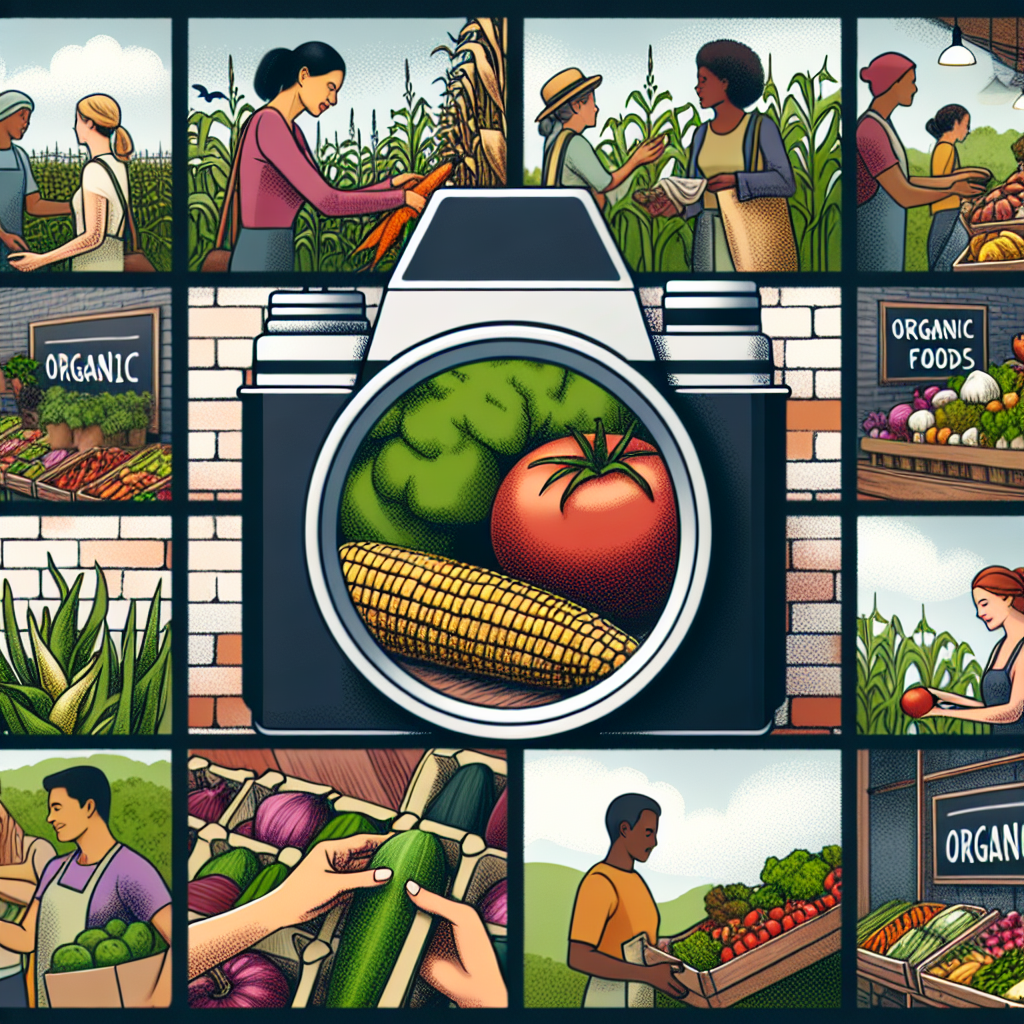
Organic foods stand out in the realm of clean nutrition for a variety of compelling reasons. They are produced without synthetic pesticides, herbicides, and fertilizers, which means that when you choose organic, you are reducing your exposure to potentially harmful chemicals. This is particularly important for vulnerable populations, such as children and pregnant women, who may be more susceptible to the negative effects of these substances. Furthermore, organic farming practices often promote biodiversity and healthier ecosystems, which can lead to more sustainable food systems.
However, many consumers find themselves overwhelmed by the myriad of choices available in grocery stores. A common mistake is assuming that all organic products are created equal. For instance, just because a product is labeled organic does not mean it is healthy. Some organic snacks can still be high in sugar or unhealthy fats. It’s crucial to look beyond the label and consider the overall nutritional profile of the food you are purchasing. Prioritizing whole, minimally processed organic foods is essential for truly clean nutrition.
Nutritional Benefits of Organic Foods
One of the primary reasons consumers opt for organic foods is their potential nutritional benefits. Research indicates that organic produce can contain higher levels of antioxidants, vitamins, and minerals compared to conventionally grown counterparts. This difference is often attributed to organic farming practices that emphasize soil health and biodiversity, which can enhance the nutritional quality of the crops.
When considering your dietary choices, it’s important to understand that not all nutrients are created equal. While organic foods may provide more nutrients, the way you prepare and consume them also plays a significant role in your overall health. For example, incorporating a variety of organic vegetables into your meals can maximize nutrient intake, whereas relying solely on one type may not provide a balanced diet.
Understanding Labels: What Does Organic Really Mean?
The term ‘organic’ can often be misleading. In the United States, the USDA regulates organic labeling, and foods labeled as organic must meet specific criteria. This includes being grown without synthetic fertilizers and pesticides, using non-GMO seeds, and adhering to strict regulations regarding soil health and animal welfare.
It is essential to be an informed shopper. Look for the USDA Organic seal, which indicates that at least 95% of the ingredients are organic. Additionally, familiarize yourself with terms like ‘100% organic’ and ‘made with organic ingredients’ to make better purchasing decisions. Remember, understanding these labels can help you prioritize your food choices more effectively and ensure that you are indeed getting the clean nutrition you seek.
Environmental Impact of Organic Farming
Organic farming is not only beneficial for personal health but also for the environment. Organic practices promote sustainability by avoiding synthetic inputs that can lead to soil degradation and water contamination. Crop rotation, cover cropping, and organic composting are just a few methods that organic farmers use to maintain soil fertility and protect ecosystems.
When choosing organic, consider the broader impact of your purchasing decisions. Supporting organic agriculture contributes to a healthier planet, as these practices often result in fewer greenhouse gas emissions and a reduced carbon footprint. This means that by opting for organic foods, you are not only investing in your health but also in the health of the environment.
Making Informed Choices: Organic vs. Conventional
Choosing between organic and conventional foods can be challenging, especially when considering cost and availability. Organic products often come with a higher price tag, which can deter many consumers. However, it is essential to weigh the long-term benefits against the short-term costs. Investing in organic foods can lead to better health outcomes, potentially reducing healthcare costs associated with diet-related illnesses.
To make informed choices, prioritize purchasing organic for produce that typically has higher pesticide residues, such as strawberries and spinach. For items like avocados or bananas, which have thicker skins, conventional options may be acceptable. By being strategic about your organic purchases, you can enjoy the benefits of clean nutrition without overspending.
Further Reading
For those looking to delve deeper into the benefits of organic foods and clean nutrition, consider exploring reputable sources such as:
- USDA Organic Regulations – Official guidelines on organic farming.
- Nutritional Quality of Organic Foods – A comprehensive study on nutrient levels in organic versus conventional foods.
- EWG’s Dirty Dozen – A list of fruits and vegetables to consider buying organic.
Frequently Asked Questions
What are the main benefits of organic foods?
Organic foods offer reduced chemical exposure, potentially higher nutritional content, and a positive environmental impact.
Are organic foods always healthier than conventional foods?
Not necessarily. While organic foods can be more nutritious, it’s essential to evaluate the overall quality and ingredients of the product.
Why do organic foods cost more?
Organic farming often involves more labor-intensive practices and stricter regulations, leading to higher prices.
Is it worth buying organic fruits and vegetables?
Yes, especially for items known to have high pesticide residues. Buying organic can reduce your exposure to harmful chemicals.
How can I make organic foods more affordable?
Consider buying in bulk, shopping at local farmers’ markets, or choosing seasonal organic produce to save money.
Conclusion
In summary, choosing organic foods is a proactive step towards clean nutrition. By understanding the benefits and making informed choices, you can significantly improve your health and contribute to a more sustainable food system. Prioritize purchasing organic when possible, especially for produce with higher pesticide residues, and remember that your choices can have a lasting impact on both your well-being and the environment. Take the initiative to educate yourself further, and enjoy the journey towards a healthier lifestyle.