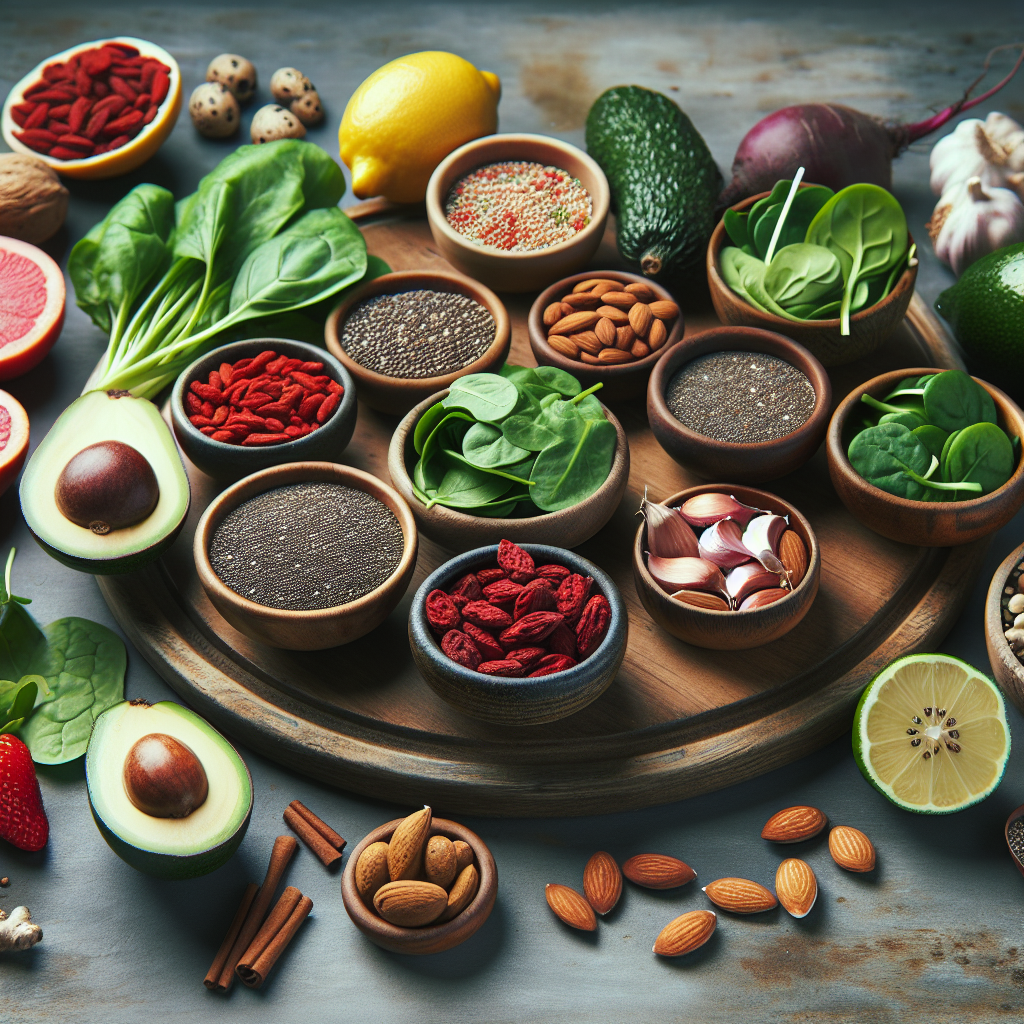
Understanding the practical advantages of organic nutrition requires recognizing the differences in farming practices and food quality. Organic foods are grown without synthetic pesticides, herbicides, or fertilizers, which not only enhances their nutritional profile but also minimizes the risk of chemical residues in your diet. Additionally, organic farming promotes biodiversity and soil health, contributing to a more sustainable food system.
Nutritional Advantages of Organic Foods
Organic foods often provide higher levels of certain nutrients compared to conventionally grown counterparts. Studies have shown that organic fruits and vegetables can contain more antioxidants, vitamins, and minerals, which are essential for overall health. This nutrient density can lead to better immune function and chronic disease prevention.
When choosing organic options, it’s important to focus on variety and balance. Incorporating a wide range of organic produce can help ensure that you’re getting a broad spectrum of nutrients. Additionally, consumers should be aware that not all organic products are created equal; factors like soil quality and farming methods can affect nutrient levels. Therefore, sourcing from reputable organic farms can enhance the nutritional benefits.
Environmental Impact of Organic Farming
Organic farming practices are designed to minimize environmental damage and promote sustainability. By avoiding synthetic chemicals and using crop rotation, cover crops, and natural pest control methods, organic farms contribute to healthier ecosystems. This approach not only improves soil health but also supports biodiversity, which is crucial for resilient agricultural systems.
Moreover, organic farming has a lower carbon footprint than conventional farming due to reduced reliance on fossil fuels and synthetic inputs. Consumers who choose organic products are also supporting practices that promote animal welfare and reduce pollution, making a positive impact on the environment.
Common Misconceptions About Organic Nutrition
Despite the growing popularity of organic foods, many misconceptions persist. One common myth is that organic foods are always healthier than non-organic options. While organic foods tend to be free from harmful pesticides and additives, they are not automatically superior in nutritional content. It’s essential to evaluate the overall diet rather than rely solely on whether foods are organic.
Another misconception is that organic foods are significantly more expensive without justification. While it’s true that organic products can have a higher price tag, factors such as local availability, seasonality, and production methods can influence costs. Consumers can often find affordable organic options by shopping at local farmers’ markets or buying in bulk.
Practical Tips for Incorporating Organic Foods
Incorporating organic foods into your diet can be straightforward with a few practical strategies. Start by focusing on the most contaminated produce items, often referred to as the “Dirty Dozen,” which include fruits and vegetables that are typically high in pesticide residues. Prioritizing these items in organic form can significantly reduce chemical exposure.
Additionally, consider meal planning and bulk buying as ways to save money on organic foods. Purchasing in-season produce and frozen organic options can also be cost-effective. All in all, growing your own organic herbs and vegetables can be a rewarding way to ensure access to fresh, chemical-free produce.
Further Reading
Authoritative Sources
- USDA Organic Regulations
ams.usda.govThis resource provides comprehensive information on organic farming standards and regulations in the United States
- Organic Consumers Association
organicconsumers.orgA nonprofit organization focused on promoting organic agriculture and educating consumers about the benefits of organic foods
- Nutritional Benefits of Organic Foods
ncbi.nlm.nih.govThis article reviews scientific studies comparing the nutritional content of organic and conventional foods
Frequently Asked Questions
What are the main benefits of organic nutrition?
Organic nutrition primarily offers improved nutrient density, reduced chemical exposure, and better flavor, contributing to overall health and wellness.
Are organic foods always healthier?
Not necessarily. While organic foods are free from synthetic pesticides and additives, they are not inherently more nutritious than non-organic options. Evaluating the overall diet is essential.
What is the environmental impact of organic farming?
Organic farming practices promote sustainability, improve soil health, and support biodiversity while minimizing pollution and chemical runoff.
How can I save money on organic foods?
Consider shopping at local farmers’ markets, buying in bulk, and focusing on seasonal produce to find more affordable organic options.
What are the Dirty Dozen?
The Dirty Dozen is a list of fruits and vegetables that are typically high in pesticide residues, making them a priority for organic purchase.
Conclusion
Incorporating organic nutrition into your lifestyle can yield significant health benefits while supporting sustainable farming practices. Prioritizing organic foods, particularly those known for high pesticide residues, helps reduce chemical exposure and enhance nutrient intake. By understanding the practical advantages and addressing common misconceptions, consumers can make informed choices that align with their health goals and values. Start by exploring local organic options and gradually integrating them into your meals for a healthier, more sustainable diet.