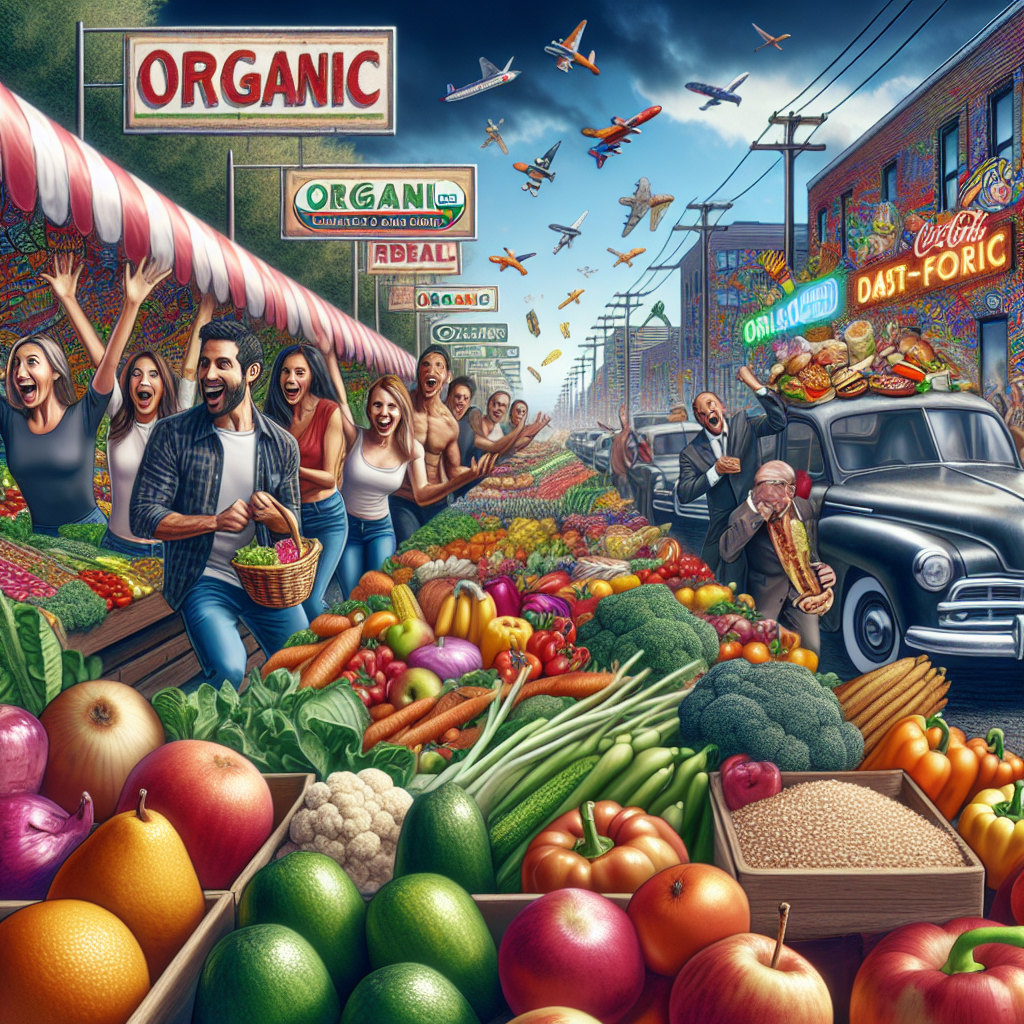
Environmental toxins can enter our bodies through food, air, and water, making it crucial to adopt dietary habits that limit exposure. Organic foods are grown without synthetic pesticides, herbicides, or fertilizers, which means they are often safer choices. Moreover, an organic diet encourages the consumption of nutrient-dense foods that can enhance overall well-being. Prioritizing organic options can help mitigate the risk of various health issues, including hormonal imbalances and chronic diseases linked to toxin exposure.
One common mistake when transitioning to an organic diet is assuming that all organic foods are equally beneficial. It’s essential to focus on a variety of organic fruits and vegetables, whole grains, and lean proteins to ensure a balanced intake of nutrients. Additionally, consumers should be aware of the potential for cross-contamination with non-organic foods and prioritize certified organic products whenever possible.
Key Benefits of an Organic Diet
Adopting an organic diet provides numerous benefits, particularly in reducing exposure to environmental toxins. Organic foods are produced without synthetic pesticides or fertilizers, which means they often contain fewer harmful residues. Additionally, organic farming practices promote biodiversity and healthier soil, contributing to a more sustainable food system.
One significant advantage is the reduction of pesticide exposure. Studies have linked pesticide residues to various health issues, including developmental problems in children and increased cancer risk. By choosing organic options, consumers can minimize these risks. Furthermore, organic foods typically have higher antioxidant levels, which can help combat oxidative stress and improve overall health.
It’s important to recognize that while organic foods can reduce toxin exposure, they are not a panacea. Individuals should also consider other lifestyle factors, such as air quality and exposure to household chemicals, to create a comprehensive approach to health.
Foods to Prioritize for Reducing Toxins
When aiming to reduce environmental toxin exposure, certain foods should take precedence in your organic diet. Prioritize organic fruits and vegetables, particularly those known to harbor high pesticide residues when conventionally grown. Items such as strawberries, spinach, and apples often rank high on the Environmental Working Group’s Dirty Dozen list.
In addition to fruits and vegetables, consider incorporating organic whole grains, legumes, and lean proteins. Foods like quinoa, lentils, and grass-fed meats are excellent choices that can help boost your nutrient intake while minimizing toxin exposure. Organic dairy products are also beneficial, as they are free from the hormones and antibiotics often found in conventional dairy.
Another critical component is to stay informed about seasonal produce, which can help you make better choices and reduce costs. Eating locally sourced organic foods can also lessen your carbon footprint and support sustainable farming practices.
Practical Steps for Transitioning
Transitioning to an organic diet requires thoughtful planning and gradual changes. Start by identifying which foods you consume most frequently and prioritize transitioning those to organic. This approach can help you manage costs while still making significant strides in reducing toxin exposure.
Shopping at local farmers’ markets can be a great way to access organic produce at competitive prices. Additionally, consider joining a community-supported agriculture (CSA) program, which often provides a weekly supply of fresh organic produce directly from local farms. This not only supports local agriculture but also ensures you’re consuming seasonal foods.
Lastly, educate yourself about food labels. Understanding terms like “100% organic,” “organic,” and “made with organic ingredients” can help you make informed decisions when grocery shopping. Being vigilant about reading labels can prevent the inadvertent purchase of products with hidden toxins.
Further Reading
Authoritative Sources
- Dirty Dozen List
ewg.orgA comprehensive list of produce items that typically contain the highest pesticide residues
- Food Labeling & Nutrition
fda.govInformation on understanding food labels and making informed choices
- Organic Trade Association
organic.orgota.comResources and information about organic farming practices and benefits
Frequently Asked Questions
What are the main benefits of an organic diet?
Organic diets can reduce pesticide exposure, improve nutrient intake, and support sustainable farming practices.
How can I start incorporating organic foods into my diet?
Begin by prioritizing organic versions of frequently consumed produce and gradually add more organic foods as you adjust.
Are organic foods more expensive?
Organic foods can be pricier, but buying in bulk, shopping at farmers’ markets, and choosing seasonal produce can help manage costs.
How do I know if a food is truly organic?
Look for certification labels such as “USDA Organic” to ensure the product meets organic standards.
Can an organic diet completely eliminate toxin exposure?
While an organic diet significantly reduces exposure to certain toxins, it’s important to consider other lifestyle factors as well.
Conclusion
Adopting an organic diet for reducing environmental toxin exposure is a proactive step towards better health. By focusing on organic fruits, vegetables, whole grains, and lean proteins, individuals can minimize their intake of harmful chemicals and support sustainable agricultural practices. It’s essential to prioritize organic options, educate yourself about food labels, and integrate these dietary changes gradually to achieve lasting benefits. Remember, while organic foods can significantly decrease toxin exposure, maintaining a holistic approach to health by considering other environmental factors is equally important.