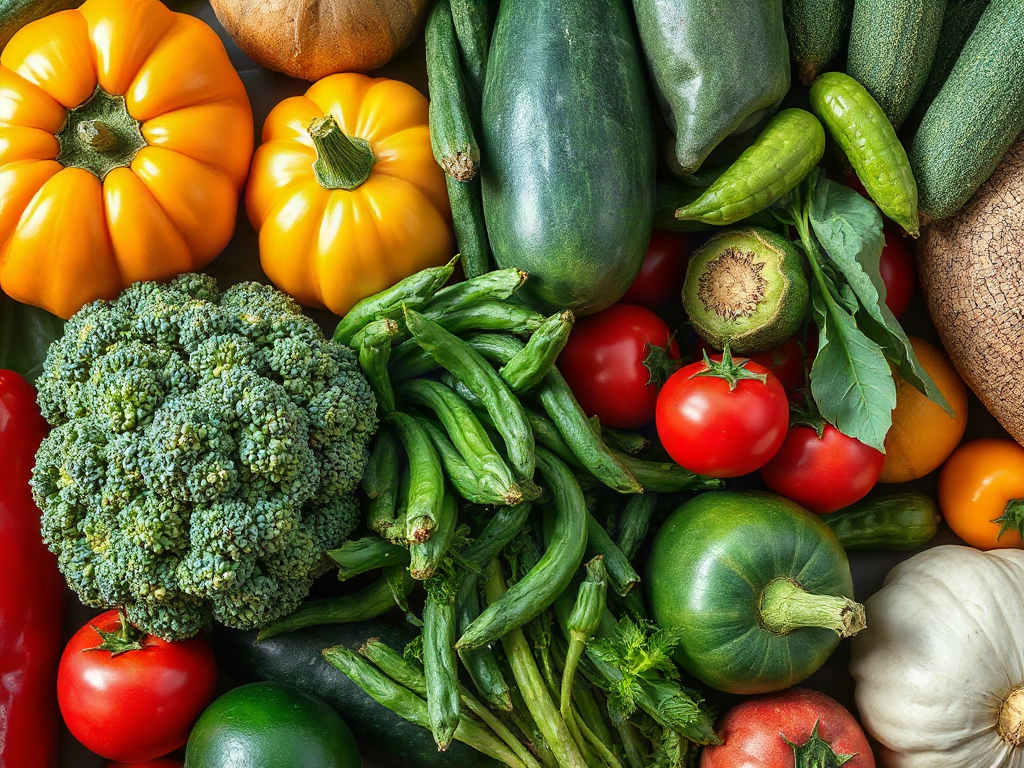
Organic produce choices for long workdays should favor durable fruits and vegetables that travel safely, require little preparation, and pair easily with filling foods. Apples, oranges, carrots, snap peas, grapes, and cherry tomatoes handle commuting better than delicate berries or pre-dressed greens. Keep cut produce cold in an insulated bag with ice packs, and combine it with yogurt, hummus, eggs, beans, nuts, or whole grains rather than expecting produce alone to sustain a long shift. Buy organic selectively according to budget, freshness, and availability, because the label describes production methods rather than guaranteed nutritional superiority.
What Makes Produce Workday-Friendly?
Workday-friendly produce has to survive more than a trip from the refrigerator to the table. It may spend an hour on public transit, sit beside a laptop, move between job sites, or wait until a delayed lunch break. Firm texture, an intact peel, low leakage risk, and minimal preparation therefore matter as much as flavor. An organic peach may be excellent at home but impractical in a crowded bag; a firm apple is more likely to arrive intact and can be eaten without utensils.
Storage conditions divide useful choices into two groups. Whole apples, bananas, oranges, and similar intact fruits are relatively easy to transport for the day, provided they are protected from crushing and excessive heat. Cut melon, peeled vegetables, berries, leafy greens, and prepared salads need dependable temperature control. A workplace refrigerator is convenient, but an insulated lunch bag with sufficient cold packs is the more reliable option when refrigerator space is uncertain. Follow package storage directions and discard food that develops an unusual odor, texture, or appearance.
Preparation burden deserves equal weight. A vegetable that requires washing, peeling, chopping, dressing, and a fork may remain in the refrigerator during a rushed morning. Carrots, snap peas, mini cucumbers, cherry tomatoes, and pre-portioned grapes reduce that friction. Pre-cut products cost more and generally have a shorter useful life, however. Washing and portioning sturdy produce after shopping can lower weekday effort without paying the full convenience premium.
The organic label should be treated as one purchasing factor rather than a complete quality score. It relates to defined agricultural production and handling requirements; it does not mean a food is pesticide-free, automatically more nutritious, or exempt from normal washing and storage. Condition at purchase still matters. Choose items without mold, leaking areas, deep bruises, or damaged packaging, and wash fresh produce under running water before eating or cutting it.
A common failure is choosing an aspirational assortment instead of food that fits the actual shift. If breaks are short, prioritize produce that can be eaten by hand. If the job involves driving, avoid foods that drip or require peeling while moving; eat only when safely parked. If lunch may be interrupted, pack several small components rather than one elaborate salad. The useful question is not which item sounds healthiest, but which one will remain safe, appealing, and accessible when the break In closing arrives.
Which Fruits and Vegetables Travel Best?
Firm fruits and crisp vegetables provide the widest margin for commuting, schedule changes, and imperfect handling. Apples, oranges, firm pears, grapes, carrots, snap peas, radishes, mini cucumbers, bell pepper strips, and cherry tomatoes are dependable starting points. Their textures hold up reasonably well when packed correctly, and most can be divided into snack-size servings. Put crushable items in a rigid container rather than relying on a thin bag.
| Produce type | Good workday use | Packing need | Main limitation |
|---|---|---|---|
| Apples and oranges | Desk or commute snack | Protect from crushing | Whole fruit may be awkward during very short breaks |
| Grapes and berries | Small snack portions | Rigid container; keep cool | Berries bruise and spoil faster |
| Carrots and snap peas | Snack or hummus pairing | Sealed container; keep cool after preparation | Cut surfaces may dry out |
| Cherry tomatoes and mini cucumbers | Lunch bowl or finger food | Leak-resistant container | Tomatoes can split under pressure |
| Leafy greens | Full lunch salad | Continuous cold storage; dressing separate | Wilt quickly when warm or dressed early |
Delicate produce is not a poor choice; it simply demands better logistics. Berries work when purchased in good condition, kept cold, and packed in a shallow container. Greens are practical when the lunch bag stays chilled and wet ingredients remain separate. Sliced avocado travels less successfully because browning and soft texture can reduce its appeal, although adding it immediately before eating avoids some of that problem. A whole avocado is durable but requires a knife, spoon, and a suitable place to prepare it.
Variety can be created without packing several fragile items at once. Rotate colors and textures across the week: an apple with lunch on Monday, orange segments on Tuesday, carrots and snap peas on Wednesday, and a chilled berry portion on Thursday. This approach uses packages before quality declines while avoiding five partially opened containers. Seasonal purchasing may improve flavor and price, but convenience still matters more than seasonality if a food repeatedly returns home uneaten.
Overripe fruit is the most common packing mistake. A soft pear or spotted banana can be enjoyable at home yet turn into a leak after being pressed beneath a laptop or water bottle. Use ripe items first on low-risk days, transport them in a hard container, or blend them at home rather than forcing them into the work bag. Success is visible when produce reaches the scheduled break with its texture intact and is eaten consistently; repeated bruising, leakage, or leftovers signals that the selection or container needs to change.
How Do You Build a Satisfying Workday Meal?
Produce works better as part of a meal than as the entire meal for most long shifts. Fruits and vegetables contribute water, fiber, carbohydrates, and a range of vitamins and plant compounds, but a container of raw vegetables may not feel substantial for many hours. Pairing produce with a protein-containing food, a source of fat, or a whole-grain item creates a more complete eating occasion and may make the packed meal more satisfying.
A practical lunch could combine organic greens, cherry tomatoes, cucumbers, chickpeas, a whole-grain pita, and a separate dressing. A snack could pair an apple with peanut or seed butter, carrots with hummus, grapes with plain yogurt, or an orange with a handful of nuts. These are flexible combinations rather than nutritional prescriptions. Individual energy needs vary with body size, shift length, activity, health conditions, and the availability of other meals.
Long workdays often involve two different needs: a scheduled meal and an emergency snack. The meal can use chilled, prepared produce, while the backup should be more durable. For example, a warehouse employee with a reliable lunch break might pack a bean-and-vegetable bowl plus an apple for later. A field worker without dependable refrigeration may rely on intact fruit during the day and choose shelf-stable accompaniments, while reserving perishable items for a properly chilled container. Workplace conditions should determine the format rather than an idealized meal plan.
Juice, sweetened fruit snacks, and vegetable chips are not equivalent to intact produce. Processing can remove much of the original structure, concentrate sugars or oils, and make portions easier to consume quickly. These products may fit occasionally, but they should not displace every whole-fruit or vegetable serving simply because they are labeled organic. An organic cookie made with fruit concentrate remains a cookie; organic status does not convert it into whole produce.
Another weak assumption is that more raw food is always better. Cooked vegetables can be highly practical and may be easier for some people to tolerate. Roasted broccoli, squash, green beans, or sweet potato can be packed with grains and beans, then eaten cold or reheated according to workplace facilities and safe handling directions. Anyone managing allergies, digestive symptoms, diabetes, kidney disease, or another condition affected by food choices should adapt these examples with a qualified clinician or registered dietitian rather than treating a general packing plan as individualized care.
A Practical Packing, Storage, and Budget Plan
A repeatable system begins with the work environment, not the produce aisle. Check whether the shift offers refrigeration, a sink, utensils, a clean eating space, and a predictable break. Then choose one durable fruit, one portable vegetable, and one complementary meal component that fit those conditions. This small base is easier to maintain than buying a different specialty item for every day.
Use the following checklist before shopping or packing:
- Match food to storage: reserve cut and highly perishable items for days when reliable chilling is available.
- Inspect before buying: avoid mold, damaged packages, deep bruising, and produce unlikely to last until its planned day.
- Prepare selectively: wash produce under running water, dry it, and cut only the amount likely to be used soon.
- Pack for pressure: use rigid, leak-resistant containers and keep dressing or dips separate.
- Add substance: include a suitable protein, fat, or whole-grain component instead of relying on produce alone.
Organic purchasing can be adjusted without abandoning the plan. Start with the organic items your household eats frequently and can finish before spoilage. Compare the unit price of loose produce with bagged quantities, because a lower price per pound is not a saving if half the bag deteriorates. Frozen organic vegetables can be economical for meals prepared at home, particularly when fresh vegetables repeatedly go unused. They still require appropriate frozen or chilled storage during transport, so they are better suited to cooked lunch bowls than to an unrefrigerated snack.
A realistic weekly pattern might use apples and carrots as durable staples, then add one more delicate item such as berries or salad greens. Pack the delicate food early in the week and keep the sturdier produce for later shifts. Leftover roasted vegetables can become the base of a grain bowl, while extra carrots can move into soup or a home meal. This sequencing protects the grocery budget by assigning the shortest-lived food first.
Review the plan after several shifts. Empty containers, intact texture, and minimal end-of-week waste indicate that quantities and formats fit the schedule. Food repeatedly returning home suggests the break is too short, the portion is excessive, or the preparation is inconvenient. Condensation, warmth, leaking, or wilted greens point to a storage or container problem rather than a need to buy different premium produce. Change one variable at a time: reduce the portion, switch to a firmer item, add another cold pack, or move preparation to the night before.
Conclusion
The most useful workday produce is the food that fits the commute, storage available, break schedule, and grocery budget. Build the week around firm fruit and crisp vegetables, then add delicate berries, greens, or cut items only when dependable chilling and protective containers are available. Pair produce with a more substantial meal component, and do not assume an organic label replaces inspection, washing, or safe storage.
For the next workweek, select one durable fruit, one easy vegetable, and one protein- or whole-grain-based accompaniment. Pack delicate items earlier in the week, monitor what comes home uneaten, and adjust the portion or format rather than buying a larger assortment. A short, repeatable list usually produces less waste and more reliable meals than an ambitious cart of foods that do not match the working day.
Frequently Asked Questions
Which organic fruit is easiest to pack for a long shift?
Apples and oranges are dependable because their skins provide protection and they require no cutting. Firm pears also work when packed in a rigid container.
Does organic produce still need to be washed?
Yes. Organic production does not remove dirt, microbes, or handling residue. Rinse fresh produce under running water before eating or cutting it, without using soap.
How can I keep cut vegetables cold without a workplace refrigerator?
Use an insulated lunch bag with cold packs and keep it closed, shaded, and away from heat. If dependable temperature control is unavailable, choose intact produce instead.
Is pre-cut organic produce worth the extra cost?
It may be worthwhile when preparation time is the main barrier to packing vegetables. Buy quantities you can use promptly because cut produce generally has a shorter useful life.
Can fruit and vegetables replace lunch during a long workday?
Produce alone may not be satisfying for a full shift. Pair it with foods such as beans, yogurt, eggs, hummus, nuts, seeds, or whole grains, adjusted for individual needs.