Organic produce generally has a higher concentration of antioxidants than its conventional counterparts. This is largely attributed to the natural growing conditions in organic farming, where plants are not exposed to synthetic pesticides and fertilizers. These conditions can lead to enhanced plant stress responses, which in turn may increase the production of beneficial compounds like antioxidants. However, the actual levels of antioxidants can vary significantly based on factors such as soil health, crop variety, and farming practices.
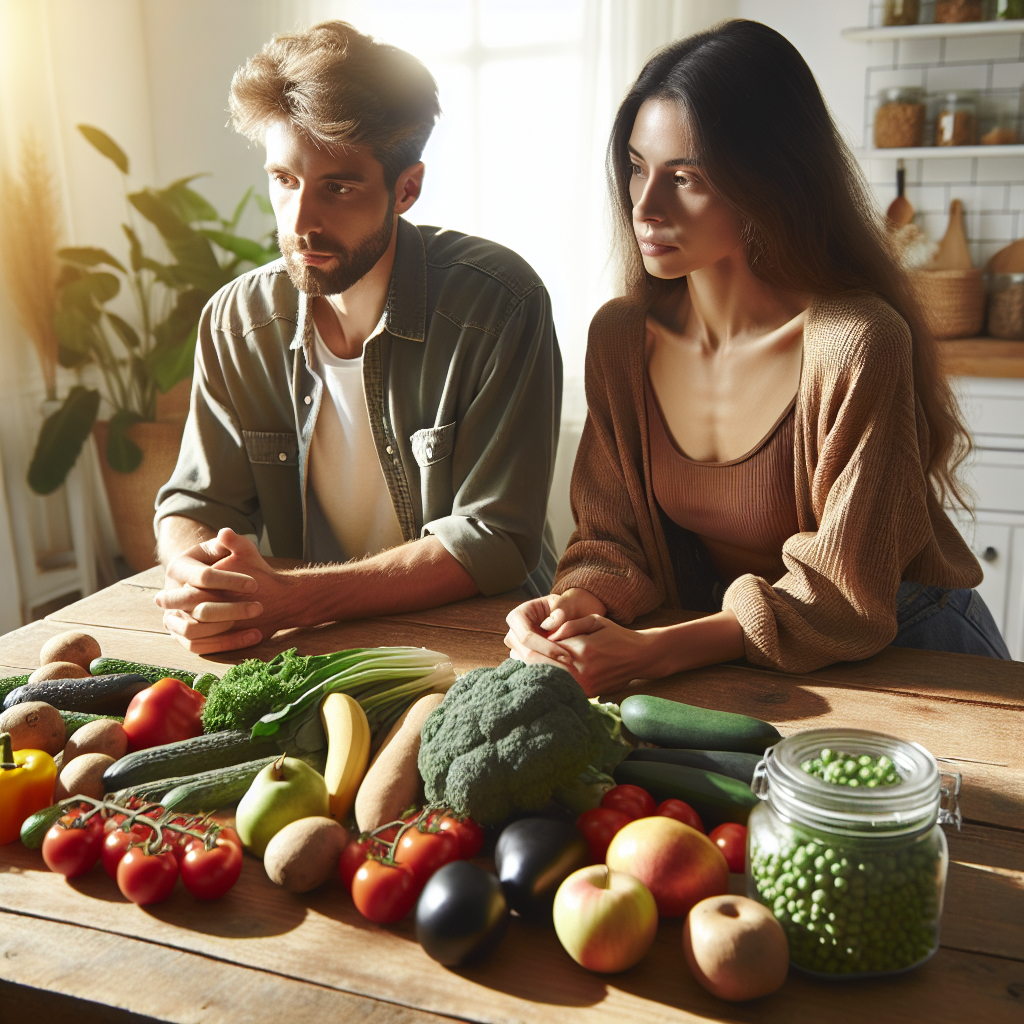
When selecting organic produce, it’s essential to consider the types of fruits and vegetables you consume. Certain crops, particularly those that are more susceptible to pests and diseases, may exhibit a more significant difference in antioxidant levels when grown organically. For example, berries, leafy greens, and tomatoes are often cited for their elevated antioxidant content in organic forms. Consumers should also be aware of the potential trade-offs, such as higher costs and variable availability of organic produce.
Understanding Antioxidants in Produce
Antioxidants are compounds that help neutralize free radicals in the body, reducing oxidative stress and potentially lowering the risk of chronic diseases. They are crucial for maintaining overall health and can be found in various fruits and vegetables. The primary types of antioxidants include vitamins C and E, flavonoids, and carotenoids. Organic farming practices may enhance the levels of these beneficial compounds due to the stressors plants face without chemical interventions.
Plants produce antioxidants as a defense mechanism against environmental stressors, including pests and diseases. In organic farming, the absence of synthetic chemicals can lead to increased stress on plants, resulting in higher antioxidant production. However, it is important to note that not all organic produce will necessarily have higher antioxidant levels, as this can depend on many external factors.
Factors Affecting Antioxidant Levels
Several factors influence the antioxidant levels in both organic and conventional produce. These include soil quality, plant variety, environmental conditions, and farming practices. For instance, soil rich in organic matter tends to produce healthier plants, which can lead to higher antioxidant content. Additionally, certain varieties of vegetables and fruits are bred specifically for high antioxidant levels.
Environmental factors such as sunlight, temperature, and water availability also play a significant role. Plants grown in optimal conditions are more likely to produce higher levels of antioxidants. Furthermore, the timing of harvesting can affect nutrient levels, as fruits and vegetables picked at peak ripeness typically have better nutritional profiles.
Comparative Studies on Organic vs. Conventional
Research comparing the antioxidant levels in organic and conventional produce has yielded mixed results. Some studies indicate that organic produce contains significantly more antioxidants, while others find minimal differences. A meta-analysis published in the British Journal of Nutrition suggests that organic fruits and vegetables may have up to 50% more antioxidants than conventional ones, primarily due to the organic farming methods.
However, the variation in findings emphasizes the need for consumers to consider other factors beyond just organic versus conventional. The specific crop, growing conditions, and post-harvest handling can all influence antioxidant levels. Therefore, rather than solely focusing on organic labels, consumers should also prioritize seasonal and local produce.
Practical Tips for Consumers
To maximize your intake of antioxidants from produce, consider the following tips: prioritize organic fruits and vegetables, especially those known for high antioxidant content such as berries, spinach, and carrots. Buy seasonal and locally grown produce whenever possible, as these are often fresher and retain more nutrients. Additionally, explore various cooking methods; for example, steaming vegetables can preserve antioxidants better than boiling.
In summary, stay informed about which fruits and vegetables are most affected by pesticides and consider buying organic for those specific items. This approach not only supports your health but also promotes sustainable farming practices.
Frequently Asked Questions
What are antioxidants?
Antioxidants are compounds that protect the body from oxidative stress by neutralizing free radicals, which can cause cellular damage.
How do organic farming practices affect antioxidant levels?
Organic farming practices typically lead to increased plant stress, which can enhance the production of antioxidants in fruits and vegetables.
Are all organic fruits and vegetables higher in antioxidants?
No, while many organic produce items show higher antioxidant levels, this can vary based on crop type, soil health, and environmental conditions.
How can I maximize my antioxidant intake from produce?
To maximize antioxidant intake, prioritize organic options for high-antioxidant fruits and vegetables, buy locally, and consume them at peak ripeness.
Is organic produce worth the price difference?
Many consumers believe organic produce is worth the price for its potential health benefits, including higher antioxidant content and reduced pesticide exposure.
Conclusion
All in all, organic produce often contains more antioxidants than conventional varieties, primarily due to the natural growing conditions that promote plant stress. However, the extent of this difference can vary based on several factors, including crop type and farming practices. To make the most informed choices, consumers should prioritize organic options for certain fruits and vegetables, buy locally, and consider overall freshness. By doing so, you can enhance your antioxidant intake and support sustainable agricultural practices.