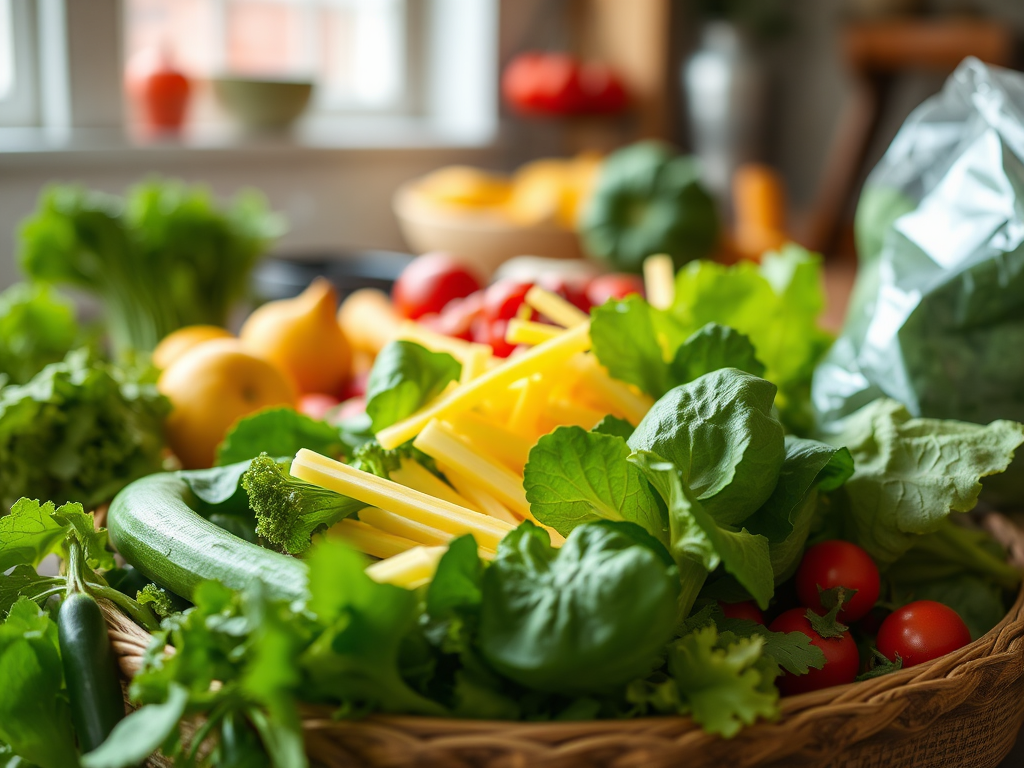
Some organic foods may lack flavor due to factors like soil quality, harvesting methods, and the time taken from farm to table. Poor soil nutrition can lead to less flavorful crops, while harvesting too early or late can affect taste. Additionally, longer transportation times can diminish freshness and flavor. To enhance flavor, prioritize locally sourced organic produce and consider optimal harvesting times.
Understanding Soil Quality
Soil quality plays a critical role in the flavor profile of organic foods. Nutrient-rich soil supports the growth of flavorful produce, while depleted soils can result in bland fruits and vegetables. Organic farming practices, such as crop rotation and composting, aim to enhance soil health, yet not all organic farms adhere to these practices uniformly.
For instance, if a farm uses monoculture practices, where the same crop is grown repeatedly in the same soil, nutrient depletion can occur. This leads to crops that may not develop the full flavor potential. Furthermore, the use of synthetic fertilizers, even in organic farming, can sometimes lead to less flavorful produce if not managed correctly.
To ensure flavorful organic produce, consumers should look for farms that prioritize soil health through regenerative practices. Checking for certifications or local farming practices can guide consumers toward higher-quality options.
Understanding Soil Quality matters because it turns some organic foods may lack flavor from a broad idea into a decision the reader can actually apply. The practical difference usually shows up in the details: how much is needed, when the choice is made, what tradeoff is acceptable, and what sign shows the approach is working. For nutrition topics, the strongest advice connects portion size, food quality, timing, and recovery instead of treating every meal as a fixed serving.
A useful way to handle this section is to compare the normal baseline with the situation that creates extra demand. If organic is the baseline concern, then soil becomes the adjustment point and practices becomes the outcome to watch. That keeps the advice specific without forcing the reader into a rigid formula that may not fit their routine, budget, tolerance, schedule, or current level of experience.
The most common mistake is changing too many variables at once. A better approach is to choose one measurable adjustment, use it consistently long enough to see a pattern, and then refine the next step based on energy, comfort, performance, safety, or reliability. This makes the guidance easier to trust because the reader can connect the recommendation to what they observe rather than guessing from a generic checklist.
The practical takeaway is to make the section actionable: identify the main constraint, choose the smallest useful change, and compare the result against the goal. When the outcome improves, the reader can keep the approach. When it does not, the next change should target the most likely bottleneck rather than repeating the same step with more effort.
Harvesting Methods and Timing
The timing of harvest significantly affects the flavor of organic foods. Crops that are harvested too early may not have developed their full flavor profile, while those left on the vine too long can become overripe and taste different than intended. For example, tomatoes picked before they reach full ripeness often lack the sweetness and depth of flavor found in fully ripened ones.
Farmers who understand the optimal timing for harvesting their crops can enhance the taste and quality of their produce. Additionally, harvesting methods matter; gentle handling and prompt processing can help preserve flavor. On the other hand, rough handling or delays in processing can lead to diminished quality.
Consumers can enhance their experience by asking local farmers about their harvesting practices and seeking out produce that has been harvested at its peak ripeness. This practice not only supports local agriculture but also ensures a better flavor experience.
Harvesting Methods and Timing matters because it turns some organic foods may lack flavor from a broad idea into a decision the reader can actually coordinate. The practical difference usually shows up in the details: how much is needed, when the choice is made, what tradeoff is acceptable, and what sign shows the approach is working. For nutrition topics, the strongest advice connects portion size, food quality, timing, and recovery instead of treating every meal as a fixed serving.
A useful way to handle this section is to compare the normal baseline with the situation that creates extra demand. If flavor is the baseline concern, then harvesting becomes the adjustment point and organic becomes the outcome to watch. That keeps the advice specific without forcing the reader into a rigid formula that may not fit their routine, budget, tolerance, schedule, or current level of experience.
Transportation and Storage Impact
Transportation and storage conditions have a significant impact on the flavor of organic foods. Once harvested, the time it takes for produce to reach consumers can affect its freshness and flavor. Longer transportation times often lead to a decrease in quality, as fruits and vegetables can lose moisture and flavor compounds during transit.
Moreover, improper storage conditions can exacerbate this issue. For instance, storing certain fruits and vegetables at inappropriate temperatures can lead to flavor loss. Ethylene gas, which is naturally emitted by some fruits, can also affect nearby produce, causing it to ripen too quickly and lose taste.
To mitigate these effects, consumers should prioritize purchasing organic produce from local sources whenever possible. This not only supports local economies but also ensures that the food is fresher and likely to have better flavor due to reduced transportation time.
Transportation and Storage Impact matters because it turns some organic foods may lack flavor from a broad idea into a decision the reader can actually apply. The practical difference usually shows up in the details: how much is needed, when the choice is made, what tradeoff is acceptable, and what sign shows the approach is working. For nutrition topics, the strongest advice connects portion size, food quality, timing, and recovery instead of treating every meal as a fixed serving.
A useful way to handle this section is to compare the normal baseline with the situation that creates extra demand. If flavor is the baseline concern, then organic becomes the adjustment point and transportation becomes the outcome to watch. That keeps the advice specific without forcing the reader into a rigid formula that may not fit their routine, budget, tolerance, schedule, or current level of experience.
Choosing Flavorful Organic Options
When shopping for organic foods, selecting varieties known for their flavor can make a significant difference. Some organic fruits and vegetables are bred specifically for taste rather than shelf life, which can lead to a more flavorful eating experience. For instance, heirloom varieties of tomatoes and melons are often more flavorful than their commercially bred counterparts.
Additionally, consumers should pay attention to the seasonality of produce. Seasonal fruits and vegetables are generally fresher and tastier because they are harvested at their peak. Understanding what is in season can guide consumers in making flavorful choices.
To wrap up, engaging with farmers’ markets can provide insights into the best options for flavor. Farmers often have unique varieties and can share tips on how and when to consume their produce for optimal taste.
To deepen your understanding of the factors affecting organic food flavor, consider exploring resources from agricultural universities or local organic farming associations. These organizations often provide valuable insights into best practices and the science behind flavor development in organic produce.
Choosing Flavorful Organic Options matters because it turns some organic foods may lack flavor from a broad idea into a decision the reader can actually apply. The practical difference usually shows up in the details: how much is needed, when the choice is made, what tradeoff is acceptable, and what sign shows the approach is working. For nutrition topics, the strongest advice connects portion size, food quality, timing, and recovery instead of treating every meal as a fixed serving.
A useful way to handle this section is to compare the normal baseline with the situation that creates extra demand. If organic is the baseline concern, then flavor becomes the adjustment point and flavorful becomes the outcome to watch. That keeps the advice specific without forcing the reader into a rigid formula that may not fit their routine, budget, tolerance, schedule, or current level of experience.
Frequently Asked Questions
What causes organic foods to lack flavor?
Organic foods may lack flavor due to poor soil health, improper harvesting timing, and extended transportation times that diminish freshness.
How can I find flavorful organic produce?
Look for locally sourced organic produce, inquire about harvesting practices, and choose seasonal varieties known for their taste.
Does organic farming guarantee better flavor?
No, organic farming does not automatically guarantee better flavor; it depends on farming practices, soil health, and harvesting methods.
What role does transportation play in food flavor?
Transportation can affect flavor as longer transit times may lead to loss of moisture and flavor compounds, impacting overall quality.
Are heirloom varieties more flavorful than standard varieties?
Generally, heirloom varieties are bred for taste and can be more flavorful compared to standard varieties that prioritize shelf life.
Conclusion
Flavor in organic foods can be influenced by multiple factors including soil quality, harvesting methods, and transportation. To ensure a flavorful experience, prioritize locally sourced options, inquire about harvesting practices, and choose seasonal varieties. Engaging directly with farmers at markets can also enhance your understanding of what makes organic produce flavorful, leading to better purchasing decisions and a more enjoyable eating experience.