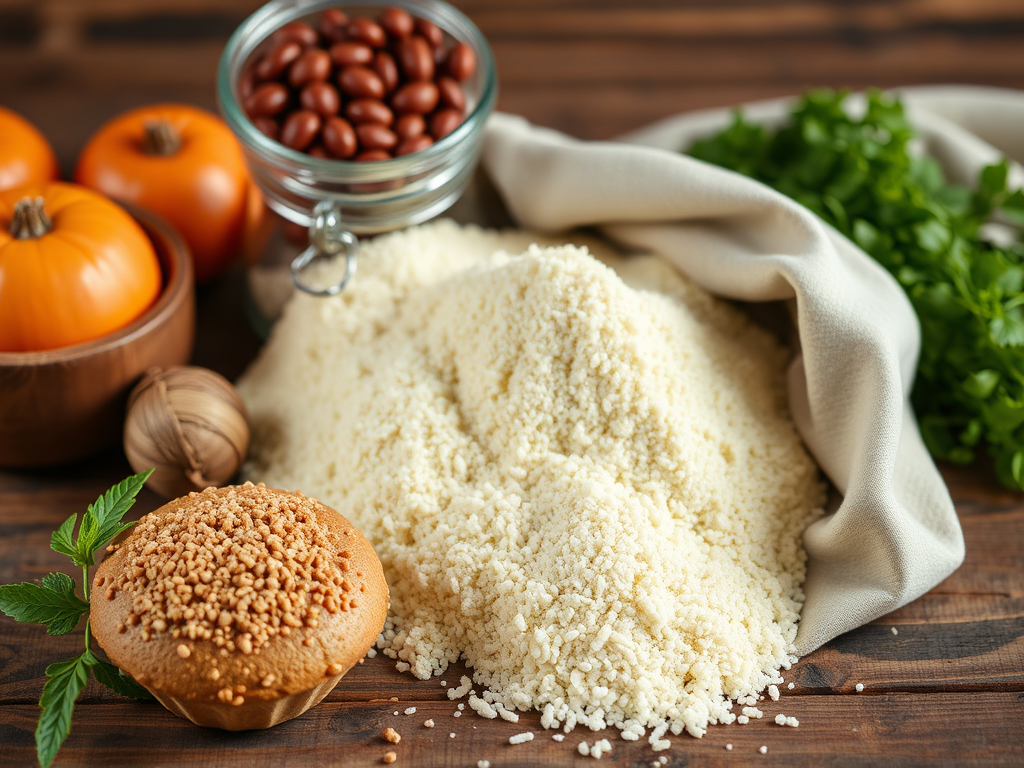
Organic baking ingredients are generally better for health outcomes due to their reduced exposure to harmful pesticides and synthetic additives. These ingredients often retain more nutrients, such as antioxidants and vitamins, which are essential for maintaining health and preventing chronic diseases. For example, organic whole wheat flour typically contains more fiber than its conventional counterpart, aiding digestion and blood sugar regulation. By opting for organic options, consumers can enhance their nutritional intake while supporting sustainable farming practices that benefit the environment.
Understanding Organic Ingredients
Organic baking ingredients refer to components such as flour, sugar, and leavening agents that are produced without synthetic pesticides, herbicides, or genetically modified organisms (GMOs). Understanding what makes these ingredients organic is crucial as it directly affects their quality and health implications. Organic farming practices promote biodiversity and soil health, which can enhance the nutrient profile of the crops.
For instance, organic wheat flour is often less processed than conventional flour, preserving more of its natural nutrients. Additionally, organic sugars, such as cane sugar, are typically less refined and may retain trace minerals that are stripped away in conventional processing. These factors make organic ingredients not only a healthier choice but also contribute to more sustainable agricultural practices.
Nutritional Comparisons
When comparing organic and conventional baking ingredients, several studies indicate that organic options may offer superior nutritional benefits. Organic grains, for example, have been found to contain higher levels of antioxidants, vitamins, and minerals. These nutrients play a vital role in maintaining health and preventing chronic diseases.
However, it’s important to note that the nutritional differences can vary significantly depending on the specific ingredient and its source. For instance, organic whole wheat flour may provide more fiber than regular white flour, which has been stripped of its bran and germ. This increased fiber content can aid in digestion and help regulate blood sugar levels, making organic flour a better option for those looking to improve their dietary fiber intake.
Potential Health Impacts
Choosing organic baking ingredients can positively impact health outcomes by reducing exposure to harmful chemicals commonly found in conventional farming. Many synthetic pesticides and fertilizers have been linked to various health issues, including hormonal disruptions and increased cancer risk. By opting for organic, consumers can minimize these risks.
Moreover, the absence of artificial additives in organic products often leads to better overall digestion. Some individuals may find that they experience fewer allergic reactions or digestive issues when consuming organic ingredients. Additionally, the higher nutrient density found in organic foods can contribute to improved immune function and overall well-being.
Making Informed Choices
When selecting organic baking ingredients, it’s essential to look for certifications such as the USDA Organic seal, which ensures compliance with strict organic farming standards. Consumers should also consider the source of the ingredients, as local organic producers may offer fresher options with enhanced flavor and nutritional value.
It’s crucial to weigh the benefits against the potential higher costs associated with organic products. While organic ingredients can be more expensive, many find the health benefits and better taste worth the investment. Prioritizing organic options for key ingredients, such as flour and sweeteners, can lead to significant health improvements without breaking the bank.
Frequently Asked Questions
Are organic baking ingredients worth the extra cost?
While organic ingredients can be more expensive, many consumers find the health benefits and improved taste justify the higher price.
Can organic ingredients help with allergies or sensitivities?
Yes, many individuals report fewer allergic reactions and digestive issues when consuming organic products due to the absence of synthetic additives.
What should I look for when buying organic baking ingredients?
Look for the USDA Organic seal, check the source of the ingredients, and prioritize local options for better freshness and flavor.
Conclusion
Choosing organic baking ingredients can lead to significant health benefits by reducing exposure to harmful chemicals and enhancing nutrient intake. While they may come at a higher cost, the potential improvements in overall health and well-being make organic options a worthwhile investment. Prioritize organic choices for key ingredients to maximize health outcomes in your baking endeavors.
Further Reading
Authoritative Sources
- The Sweet Benefits of Baking with Pure Ingredients
carolsorganicdesserts.comWhen you choose organic flours, pastured eggs, and unrefined sweeteners, you're not only elevating flavor but also nurturing your health, ...
- Impact of ingredients on quality and sensory characteristics of ...
krex.k-state.eduThere is an opportunity for more research to be completed on the effects of soluble dietary fiber on quality and sensory attributes of gluten- free baked ...
- Is Organic Food Really Better for Your Health? A Guide ...
castingorganic.comThe short answer? Sometimes. But not always. According to YCP's research summary, most studies show little difference in vitamin or mineral ...
- 7 Healthy Baking Ingredients Every Home Baker Should ...
naturalhealthwarehouse.co.za1. Almond Flour: The Protein-Packed Base · 2. Coconut Sugar: Sweetness with a Low GI · 3. Flaxseed Meal: Nature's Egg Replacement · 4. Greek Yogurt: Creamy ...