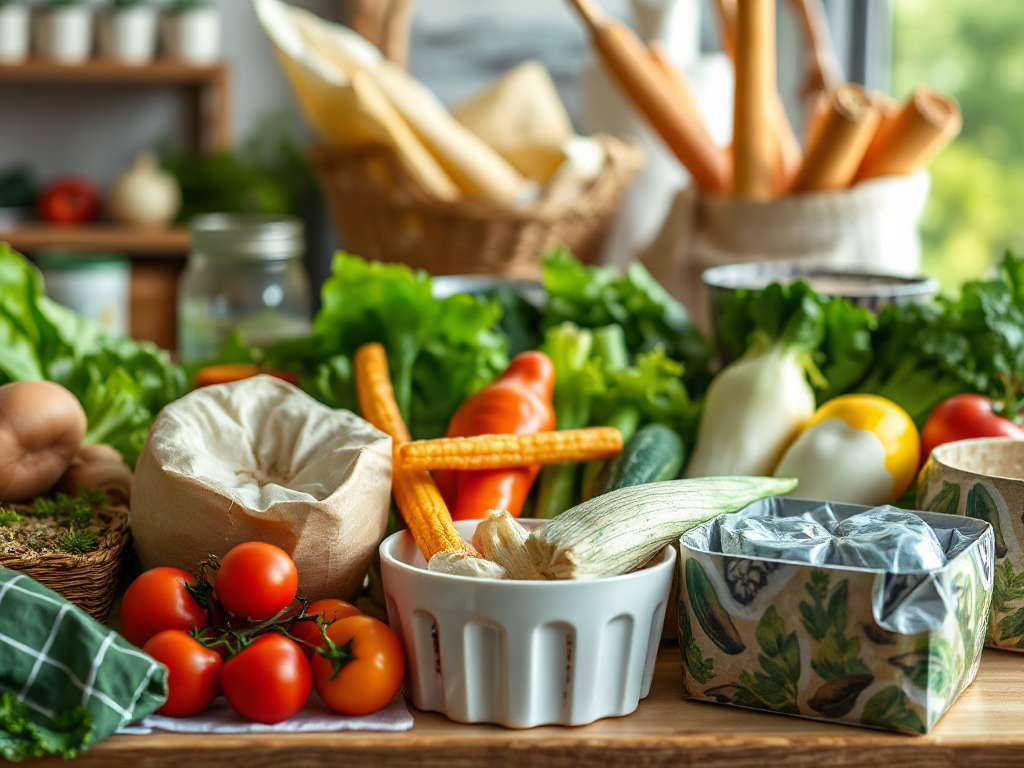
Organic food may not fit every lifestyle primarily due to its higher costs, time demands, and accessibility challenges. For those on a tight budget, the price of organic items can lead to difficult choices between healthier options and essential expenses. Additionally, preparing organic meals often requires more time for sourcing and cooking, which can be a barrier for busy individuals. To make organic food more feasible, consumers might consider prioritizing certain organic items while balancing their budgets and meal planning to reduce waste and time spent shopping.
Understanding the Costs of Organic Food
The cost of organic food can be significantly higher than that of conventional options, which is a primary reason it may not fit every lifestyle. Organic farming practices often lead to lower yields and higher production costs due to the absence of synthetic pesticides and fertilizers. For consumers on a tight budget, these elevated prices can limit access to organic products, forcing them to choose between organic and other essential expenses.
For instance, a gallon of organic milk may cost $2 to $3 more than its conventional counterpart. This price difference can add up quickly, especially for families purchasing multiple organic items weekly. Moreover, when evaluating the cost, it’s crucial to consider the overall budget and dietary needs, as prioritizing organic might mean sacrificing other nutritional aspects or food varieties.
Time Commitment for Organic Meal Preparation
Preparing organic meals can demand more time and planning compared to conventional cooking. Organic produce often requires thorough washing to eliminate any residual pesticides, even if they are organic. Additionally, organic ingredients may have a shorter shelf life, necessitating more frequent shopping trips and meal planning to avoid waste.
For example, someone with a busy work schedule might find it challenging to allocate the time needed for sourcing, preparing, and cooking organic meals. Instead, they might opt for convenience foods that, while possibly less healthy, save time and effort. Recognizing the balance between health and practicality is vital for individuals with demanding lifestyles.
Accessibility Issues with Organic Products
Accessibility can be a significant barrier to incorporating organic food into one’s diet. In many areas, especially rural or low-income neighborhoods, organic options may not be readily available. Grocery stores in these regions might stock limited organic selections or none at all, making it difficult for consumers to choose organic even if they desire to.
Moreover, online purchasing for organic products can incur additional shipping costs, further complicating access. For consumers in these situations, it may be more feasible to rely on local produce or farmers’ markets, which may offer organic options but can also vary in availability and pricing. Understanding these accessibility challenges is essential for making realistic dietary choices.
Frequently Asked Questions
What are the main reasons organic food may not fit every lifestyle?
The primary reasons include higher costs, increased time commitment for meal preparation, and accessibility issues in certain areas.
How does the cost of organic food compare to conventional food?
Organic food typically costs more due to higher production costs and lower yields associated with organic farming practices.
Is organic food healthier than conventional food?
While some studies suggest organic food may have higher nutrient levels, the overall health benefits can vary based on individual dietary choices and preferences.
What challenges might someone face when trying to eat organic?
Challenges include higher prices, limited availability in local stores, and the need for more time to prepare and shop for organic meals.
Are there cost-effective ways to incorporate organic foods into my diet?
Yes, consider buying in bulk, shopping at local farmers' markets, or focusing on organic options for the.
Further Reading
Authoritative Sources
- USDA Organic Regulations
ams.usda.govThis resource outlines the standards for organic farming and production in the United States.
- Health Benefits of Organic Food
ncbi.nlm.nih.govA study discussing the potential health benefits associated with organic food consumption.
- Choosing Organic Foods
eatright.orgThis guide provides insights on choosing organic versus conventional foods based on health, cost, and accessibility.