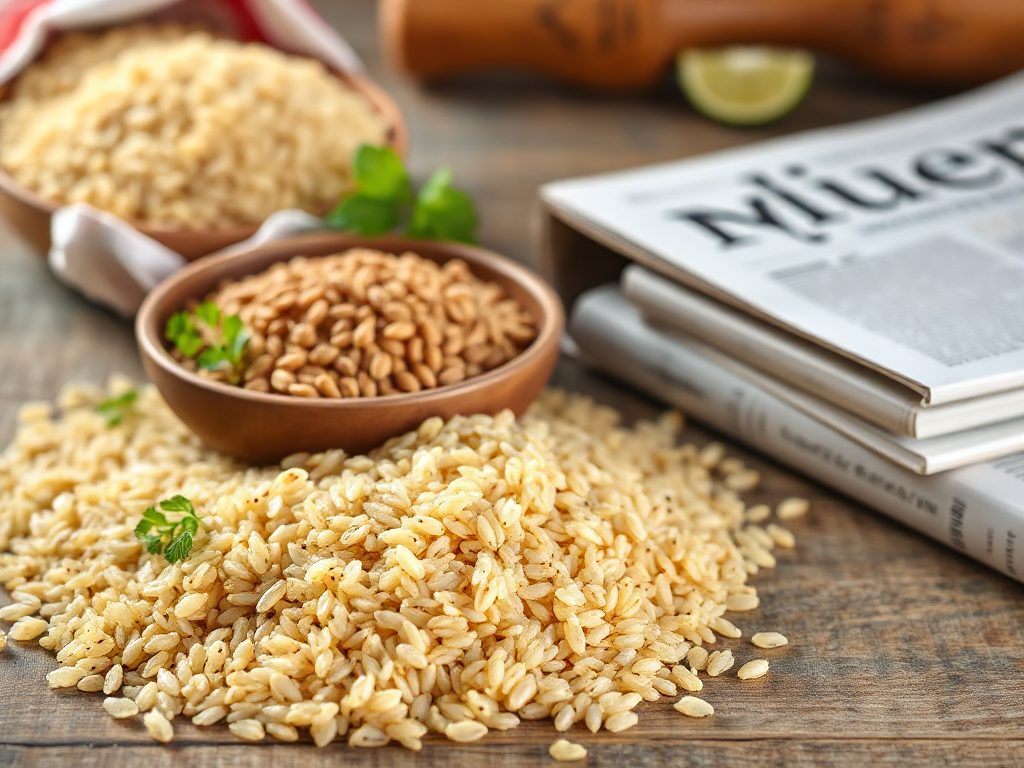
Organic food options tailored for specific dietary restrictions include a variety of choices that cater to gluten-free, vegan, and dairy-free needs. For gluten-free diets, consider organic grains like quinoa and buckwheat, which are nutritious alternatives to wheat. Vegans can benefit from organic legumes, nuts, and fortified plant-based dairy substitutes to ensure they receive adequate protein and essential nutrients. For those avoiding dairy, options such as almond milk and coconut yogurt not only provide similar textures but also add variety to meals. Always check labels for certifications to guarantee the products meet your dietary requirements.
Gluten-Free Organic Options
For individuals with gluten intolerance or celiac disease, selecting organic gluten-free options is not just a preference—it’s a necessity. Organic grains such as quinoa, buckwheat, and amaranth are excellent choices that provide essential nutrients without the gluten found in wheat. These grains are rich in protein and fiber, making them superior substitutes for traditional wheat-based products.
Mechanically, gluten-free grains like quinoa and buckwheat are inherently free of gluten, which helps in preventing the adverse reactions associated with gluten consumption. For example, quinoa is not only gluten-free but also a complete protein, containing all nine essential amino acids. This makes it a valuable addition to the diet of anyone avoiding gluten.
However, when selecting gluten-free organic products, it’s crucial to be vigilant about cross-contamination. Many processed gluten-free snacks and baked goods may still contain traces of gluten if produced in facilities that also handle wheat. Therefore, consumers should look for brands that specifically label their products as gluten-free and certified organic. While some may argue that gluten-free products can be more expensive, the health benefits for those with gluten sensitivities justify the investment.
In real-world applications, incorporating organic gluten-free grains into meals can enhance overall health. For instance, a quinoa salad loaded with organic vegetables can provide a satisfying meal rich in nutrients. Ultimately, making informed choices about gluten-free organic options can lead to a healthier lifestyle while avoiding gluten-related health issues.
Vegan Organic Food Choices
For those adhering to a vegan diet, which excludes all animal products, finding organic options becomes essential for maintaining a balanced nutritional profile. Organic fruits and vegetables should serve as the foundation of a vegan’s diet, offering a plethora of vitamins, minerals, and antioxidants crucial for overall health.
Legumes such as lentils and chickpeas are not only organic but also provide an excellent source of plant-based protein, essential for muscle maintenance and overall bodily functions. In addition, plant-based dairy alternatives, such as almond milk, soy yogurt, and oat-based cheeses, can effectively replace traditional dairy products. These alternatives are often fortified with vital nutrients like calcium and vitamin B12, which are particularly important for those avoiding animal products.
While some may argue that obtaining sufficient protein on a vegan diet is challenging, a well-planned organic vegan diet can easily meet protein needs through diverse sources. For example, combining legumes with whole grains creates a complete protein profile. Additionally, compared to non-organic options, organic plant-based products typically have fewer pesticides and additives, making them a healthier choice.
In practical terms, vegans should aim to include a variety of organic foods in their meals. For instance, a stir-fry with tofu, organic vegetables, and quinoa not only provides protein but also a colorful array of nutrients. By prioritizing organic options, vegans can ensure their diets are not only ethical but also nutritionally sound.
Dairy-Free Organic Alternatives
For individuals with lactose intolerance or dairy allergies, organic dairy alternatives play a crucial role in their diets. Options such as almond milk, coconut yogurt, and cashew cheese can provide similar textures and flavors without the lactose that can cause discomfort. These alternatives are often fortified with vitamins and minerals to mimic the nutritional profile of conventional dairy products.
From a nutritional standpoint, dairy-free alternatives can still offer calcium and vitamin D, which are essential for bone health. For instance, almond milk is often enriched with calcium, making it a viable substitute for cow’s milk. While some consumers may prefer the taste of traditional dairy, many find that organic alternatives can be just as satisfying when used in recipes.
However, it is vital to read labels carefully, as some dairy-free organic products may contain added sugars or preservatives that can detract from their health benefits. Opting for unsweetened versions whenever possible can limit sugar intake while still enjoying the creamy textures of these alternatives. Additionally, exploring various nut and seed-based options can provide a diverse range of flavors and nutrients.
In real-world applications, incorporating dairy-free organic products into meals can enhance dietary variety. For instance, using coconut yogurt in smoothies can provide creaminess without lactose, while cashew cheese can serve as a delicious spread. Ultimately, making informed choices about dairy-free organic options can lead to a healthier lifestyle while avoiding dairy-related health issues.
Balancing Nutritional Needs
Balancing nutritional needs while adhering to specific dietary restrictions can be a complex challenge. It is crucial to ensure that all essential nutrients are consumed, even when avoiding certain food groups. For example, individuals following a gluten-free diet should focus on incorporating a variety of grains to obtain necessary fiber and nutrients, which are often lacking in a typical gluten-free diet.
Consulting with a registered dietitian can provide tailored guidance on creating an organic meal plan that meets individual nutritional needs. A dietitian can help balance meals, ensure adequate protein intake, and suggest supplements if necessary. This professional guidance can help avoid common pitfalls, such as nutrient deficiencies, while enjoying a diverse range of organic foods.
Additionally, meal planning is essential for those with dietary restrictions. For instance, individuals on a vegan diet may need to incorporate fortified foods to ensure they receive enough vitamin B12. On the other hand, someone following a gluten-free diet must ensure they consume a variety of gluten-free grains to meet their fiber needs. By being proactive in meal planning and seeking expert advice, individuals can effectively manage their diets without sacrificing enjoyment or nutrition.
Ultimately, understanding how to balance nutritional needs while adhering to specific dietary restrictions is key to maintaining health. By prioritizing organic options and seeking professional advice, individuals can navigate their dietary choices more effectively, ensuring they meet their nutritional goals.
Frequently Asked Questions
What are some good organic gluten-free grains?
Good organic gluten-free grains include quinoa, buckwheat, and brown rice, which provide essential nutrients without gluten.
Are there organic options for vegan diets?
Yes, organic fruits, vegetables, legumes, and plant-based dairy alternatives are excellent choices for vegan diets.
What dairy alternatives are available for lactose intolerant individuals?
Lactose intolerant individuals can choose organic options like almond milk, coconut yogurt, and cashew cheese as dairy substitutes.
How can I ensure I get enough nutrients on a restricted diet?
Consulting with a registered dietitian can help tailor a meal plan that meets your nutritional needs while adhering to dietary restrictions.
What should I look for when buying organic gluten-free products?
Look for certified gluten-free labels and check for cross-contamination to ensure safety in organic gluten-free products.