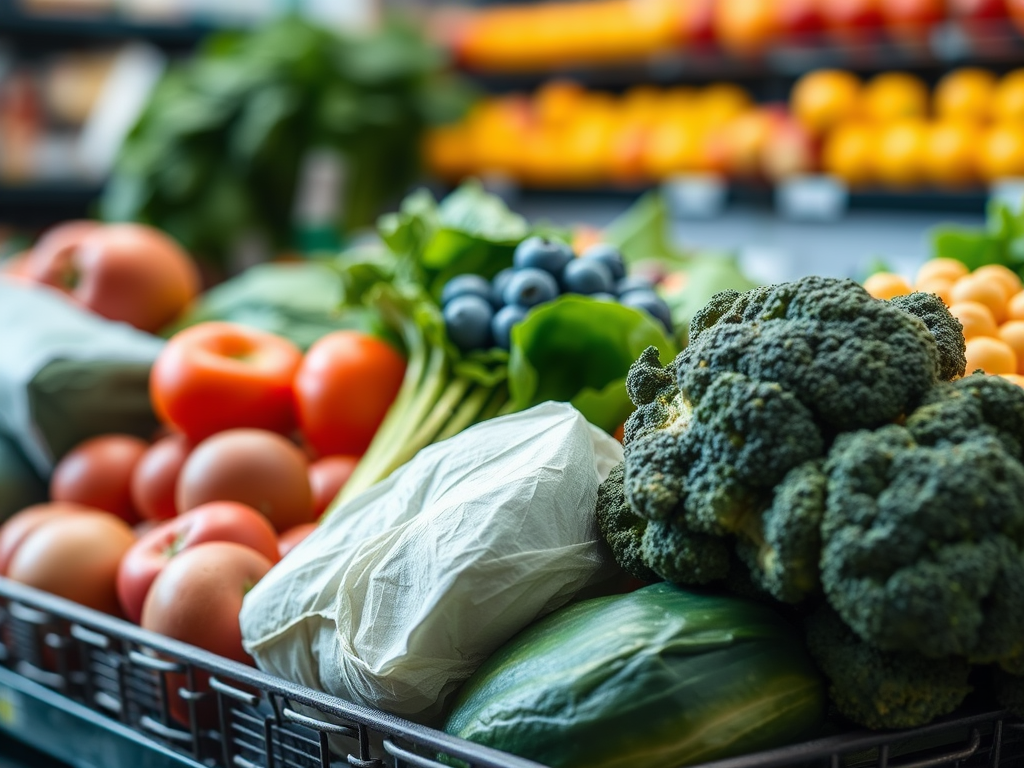
Organic options may not be safe due to the risk of contamination and misleading labels. Even though organic farming limits synthetic pesticides, natural pesticides can still pose health risks if present in high amounts. Additionally, cross-contamination during processing or transportation can introduce harmful substances into organic products. Consumers should be cautious and look for reputable certifications, as not all organic labels guarantee true organic practices. Prioritizing purchases from trusted brands and local farms can help ensure the safety and authenticity of organic foods.
Understanding Organic Certification Standards
Organic certification is intended to ensure that products are grown and processed without synthetic fertilizers, pesticides, and genetically modified organisms. However, not all organic labels are created equal. The U.S. Department of Agriculture (USDA) sets standards for organic products, but enforcement can vary, leading to discrepancies in what is labeled as organic. Consumers must be vigilant, as some products may carry misleading certifications or lack proper oversight, thus failing to meet the rigorous standards that genuinely organic products should adhere to.
The differences between various organic labels. For instance, a product labeled as “100% Organic” must contain only organic ingredients, while “Organic” can contain up to 5% non-organic content. This subtlety can lead to confusion and potential safety issues. Always look for specific certifications to ensure that the product meets your expectations for organic standards.
Contaminants in Organic Foods
Despite their natural appeal, organic foods can still be vulnerable to contamination. One significant concern is the possibility of pesticide residue. While organic farming restricts synthetic pesticides, some organic products may still contain natural pesticides, which can be harmful in large quantities. Additionally, cross-contamination can occur during processing or transportation, leading to the presence of harmful substances in supposedly organic products.
Heavy metals and pathogens pose another risk. Soil and water quality can affect the safety of organic produce. For example, if the soil is contaminated with heavy metals, these can be absorbed by plants, making their way into the food chain. Moreover, organic farming practices may not always eliminate pathogens like E. coli or Salmonella, especially if food safety measures during handling and processing are inadequate. Thus, consumers should be aware of the sources of their organic foods and prioritize products from reputable growers.
The Role of Misleading Labels
Misleading labels can significantly impact consumer choices, making it crucial to understand what claims mean. Terms like “natural” or “farm-fresh” are often unregulated and can mislead consumers into thinking they are purchasing safer or healthier products. The ambiguity surrounding such labels can lead to the purchase of items that do not meet the high standards one might expect from organic products.
Moreover, some brands may market their products as organic while still using practices that do not align with true organic farming. This can include sourcing ingredients from farms that do not adhere to organic standards or using synthetic additives in their processing. To avoid falling victim to misleading labels, consumers should research brands, read ingredient lists carefully, and look for third-party certifications that provide greater assurance of product integrity.
Best Practices for Choosing Safe Organic Options
To ensure safety when selecting organic options, start by buying from trusted sources, such as local farmers’ markets, where you can ask questions about farming practices directly. Additionally, consider joining community-supported agriculture (CSA) programs that allow you to connect with local farms and understand their growing methods.
Furthermore, always read labels thoroughly. Look for products with specific organic certifications and be cautious of vague claims. When possible, opt for whole foods over processed organic products, as they are less likely to contain additives or contaminants. Lastly, stay informed about recalls or safety alerts related to organic products to make educated decisions about your food choices.
Frequently Asked Questions
What are the main risks associated with organic foods?
The main risks include pesticide residues, heavy metal contamination, and potential pathogens, which can occur due to poor farming practices or cross-contamination.
How can I identify truly organic products?
Look for products with USDA organic certification, and read ingredient lists carefully to avoid misleading labels.
Are organic foods always safer than conventional foods?
Not necessarily; while organic foods may have fewer synthetic pesticides, they can still pose safety risks from contaminants and pathogens.
What should I do if I suspect my organic food is contaminated?
If you suspect contamination, avoid consuming the product and report it to local health authorities or the store where you purchased it.
How can I ensure the safety of my organic food purchases?
Buy from reputable sources, read labels carefully, and prioritize whole foods over processed organic options to minimize risks.
Conclusion
Understanding when organic options may not be safe is crucial for making informed dietary choices. By recognizing the potential for contaminants, misleading labels, and the importance of sourcing, you can better navigate the complexities of organic food purchasing. Prioritize buying from trusted sources, scrutinize labels, and stay informed about safety practices to ensure the foods you consume align with your health goals.