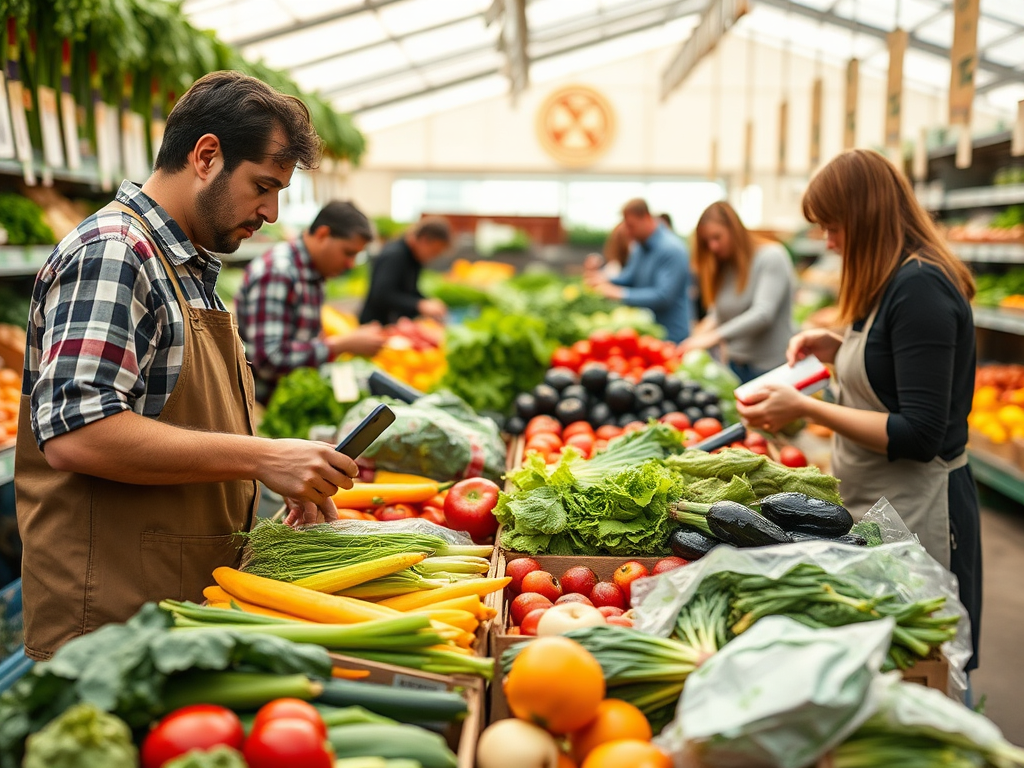
Common pitfalls in selecting organic vegetables include overlooking labels, ignoring seasonality, and misunderstanding pricing. Many consumers assume all organic produce is pesticide-free, but some may still carry residues. Additionally, purchasing out-of-season vegetables can lead to lower quality and higher prices. Being aware of these factors helps ensure you choose the freshest, most nutritious options while avoiding waste and disappointment.
Understanding Organic Labels
One of the most significant pitfalls in selecting organic vegetables is misunderstanding organic labels. Many consumers believe that all organic produce is completely free from pesticides, but this is not always the case. The USDA organic label indicates that the product meets specific standards, but it doesn’t guarantee that it is entirely pesticide-free. Some organic farmers may still use natural pesticides that are permitted under organic standards.
It’s crucial to look beyond the organic label and consider the source of the produce. Purchasing from local farmers’ markets or community-supported agriculture (CSA) programs often provides more transparency about farming practices. Additionally, being aware of other certifications, such as “Certified Naturally Grown” or “Non-GMO,” can help consumers make informed choices.
Common mistake: Relying solely on the organic label without considering the source can lead to poor quality selections. Instead, prioritize buying from trusted sources that provide detailed information about their farming practices.
Understanding Organic Labels matters because it turns common pitfalls in selecting organic vegetables from a broad idea into a decision the reader can actually apply. The practical difference usually shows up in the details: how much is needed, when the choice is made, what tradeoff is acceptable, and what sign shows the approach is working. For technology topics, the strongest advice connects the user goal, system constraint, maintenance burden, and measurable outcome.
A useful way to handle this section is to compare the normal baseline with the situation that creates extra demand. If organic is the baseline concern, then pitfalls becomes the adjustment point and selecting becomes the outcome to watch. That keeps the advice specific without forcing the reader into a rigid formula that may not fit their routine, budget, tolerance, schedule, or current level of experience.
The most common mistake is changing too many variables at once. A better approach is to choose one measurable adjustment, use it consistently long enough to see a pattern, and then refine the next step based on energy, comfort, performance, safety, or reliability. This makes the guidance easier to trust because the reader can connect the recommendation to what they observe rather than guessing from a generic checklist.
The practical takeaway is to make the section actionable: identify the main constraint, choose the smallest useful change, and compare the result against the goal. When the outcome improves, the reader can keep the approach. When it does not, the next change should target the most likely bottleneck rather than repeating the same step with more effort.
Seasonality and Freshness
Another common pitfall when selecting organic vegetables is ignoring seasonality. Many consumers may not realize that buying out-of-season vegetables can result in lower quality and higher prices. Seasonal vegetables are typically fresher, more flavorful, and nutrient-dense because they are harvested at their peak ripeness.
For instance, tomatoes are best in the summer when they are naturally in season. Purchasing them in winter may lead to flavorless, imported varieties that have traveled long distances. To avoid this pitfall, familiarize yourself with the seasonal produce calendar in your region.
Practical tip: Create a seasonal produce chart to help guide your shopping decisions. This not only enhances the quality of your meals but can also save you money as in-season vegetables are often cheaper and more abundant.
Seasonality and Freshness matters because it turns common pitfalls in selecting organic vegetables from a broad idea into a decision the reader can actually apply. The practical difference usually shows up in the details: how much is needed, when the choice is made, what tradeoff is acceptable, and what sign shows the approach is working. For nutrition topics, the strongest advice connects portion size, food quality, timing, and recovery instead of treating every meal as a fixed serving.
A useful way to handle this section is to compare the normal baseline with the situation that creates extra demand. If vegetables is the baseline concern, then selecting becomes the adjustment point and organic becomes the outcome to watch. That keeps the advice specific without forcing the reader into a rigid formula that may not fit their routine, budget, tolerance, schedule, or current level of experience.
The most common mistake is changing too many variables at once. A better approach is to choose one measurable adjustment, use it consistently long enough to see a pattern, and then refine the next step based on energy, comfort, performance, safety, or reliability. This makes the guidance easier to trust because the reader can connect the recommendation to what they observe rather than guessing from a generic checklist.
Price vs. Quality: Making Smart Choices
Price is a significant factor when choosing organic vegetables, but many consumers make the mistake of equating higher prices with better quality. While it’s true that organic produce often costs more due to the rigorous farming practices, not all expensive organic vegetables are of superior quality.
For example, a high price tag does not always indicate freshness. It’s essential to inspect the vegetables for signs of quality, such as firmness, vibrant color, and absence of blemishes. Additionally, consider purchasing from wholesale markets or joining a CSA to access organic vegetables at a more reasonable price.
Common misconception: Believing that a higher price guarantees better quality can lead to disappointment. Instead, focus on visual inspection and sourcing from reputable vendors to ensure you are getting the best value.
Price vs. Quality: Making Smart Choices matters because it turns common pitfalls in selecting organic vegetables from a broad idea into a decision the reader can actually apply. The practical difference usually shows up in the details: how much is needed, when the choice is made, what tradeoff is acceptable, and what sign shows the approach is working. For pet topics, the strongest advice connects behavior, environment, consistency, health, and the animal’s response over time.
A useful way to handle this section is to compare the normal baseline with the situation that creates extra demand. If organic is the baseline concern, then vegetables becomes the adjustment point and quality becomes the outcome to watch. That keeps the advice specific without forcing the reader into a rigid formula that may not fit their routine, budget, tolerance, schedule, or current level of experience.
The most common mistake is changing too many variables at once. A better approach is to choose one measurable adjustment, use it consistently long enough to see a pattern, and then refine the next step based on energy, comfort, performance, safety, or reliability. This makes the guidance easier to trust because the reader can connect the recommendation to what they observe rather than guessing from a generic checklist.
Common Misconceptions About Organic Vegetables
There are several misconceptions surrounding organic vegetables that can lead to poor purchasing decisions. One prevalent myth is that organic vegetables are always healthier than conventional ones. While organic practices reduce synthetic pesticide use, they do not inherently mean better nutritional value.
Moreover, some consumers mistakenly believe that all organic vegetables are perfect and free from imperfections. Naturally grown vegetables can still have minor blemishes or irregular shapes, which do not affect their taste or nutritional content. Embracing these imperfections can lead to better choices, as they often indicate that the vegetables were grown without the use of harsh chemicals.
Practical takeaway: Educate yourself about the differences between organic and conventional produce. Understanding the realities of organic farming can help you avoid pitfalls and make more informed choices when purchasing vegetables.
Common Misconceptions About Organic Vegetables matters because it turns common pitfalls in selecting organic vegetables from a broad idea into a decision the reader can actually apply. The practical difference usually shows up in the details: how much is needed, when the choice is made, what tradeoff is acceptable, and what sign shows the approach is working. For nutrition topics, the strongest advice connects portion size, food quality, timing, and recovery instead of treating every meal as a fixed serving.
A useful way to handle this section is to compare the normal baseline with the situation that creates extra demand. If organic is the baseline concern, then vegetables becomes the adjustment point and pitfalls becomes the outcome to watch. That keeps the advice specific without forcing the reader into a rigid formula that may not fit their routine, budget, tolerance, schedule, or current level of experience.
The most common mistake is changing too many variables at once. A better approach is to choose one measurable adjustment, use it consistently long enough to see a pattern, and then refine the next step based on energy, comfort, performance, safety, or reliability. This makes the guidance easier to trust because the reader can connect the recommendation to what they observe rather than guessing from a generic checklist.
Frequently Asked Questions
What should I look for when buying organic vegetables?
When buying organic vegetables, check the organic label, inspect for freshness, and consider the source of the produce. Look for vibrant colors and firm textures.
Are organic vegetables really pesticide-free?
No, organic vegetables can still have pesticide residues, but they are typically from natural sources and are regulated to meet specific safety standards.
How can seasonality affect the quality of organic vegetables?
Seasonality affects quality as in-season vegetables are harvested at their peak ripeness, leading to better flavor and nutritional value compared to out-of-season options.
Why are organic vegetables more expensive?
Organic vegetables are often more expensive due to the labor-intensive farming practices, stringent regulations, and lower yield compared to conventional farming.
What are the benefits of buying local organic vegetables?
Buying local organic vegetables supports local farmers, reduces transportation emissions, and often provides fresher produce with better taste and quality.
Conclusion
Understanding the common pitfalls in selecting organic vegetables is vital for making informed choices that enhance your health and culinary experience. By focusing on label comprehension, seasonality, price versus quality, and dispelling misconceptions, you can navigate the organic vegetable market more effectively. Prioritize purchasing from reputable sources, embrace seasonal produce, and remember that higher prices do not always equate to better quality. With these insights, you’ll be better equipped to choose organic vegetables that meet your nutritional needs and culinary preferences.