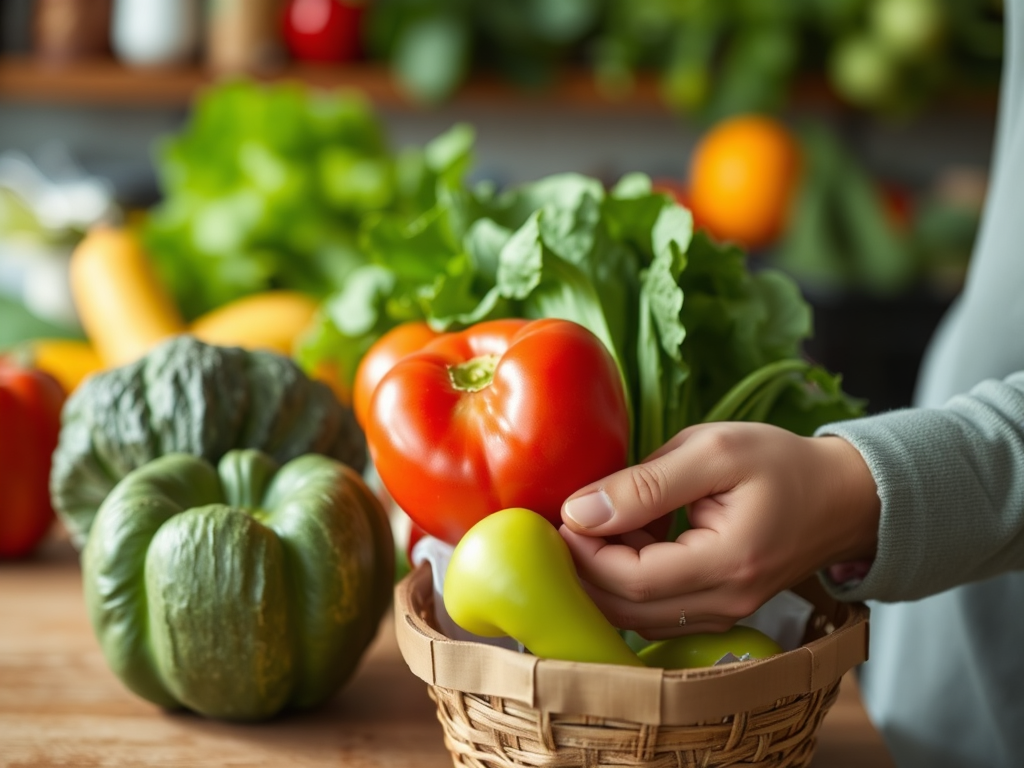
To assess the freshness of organic produce, examine the appearance, texture, and aroma of fruits and vegetables. Look for vibrant colors, firm textures, and avoid any signs of wilting or discoloration. Fresh produce typically has a pleasant, natural smell. Checking the harvest date or asking the seller about the produce's history can also provide insights into its freshness.
Visual Indicators of Freshness
When assessing the freshness of organic produce, the first step is to visually inspect the items. Fresh fruits and vegetables should exhibit vibrant colors and a glossy appearance, indicating ripeness and quality. For example, a ripe tomato should be bright red, while leafy greens should display a rich green hue without any yellowing or browning. Look for any blemishes, spots, or signs of decay, as these can indicate that the produce is past its prime.
Another visual cue is the integrity of the skin. For instance, apples should be smooth and firm, while potatoes should have a clean, unblemished surface. Avoid produce with wrinkled skin or visible bruising, as these factors often suggest that the item has been stored for too long or has been mishandled during transport.
Visual Indicators of Freshness matters because it turns assess the freshness of organic produce from a broad idea into a decision the reader can actually apply. The practical difference usually shows up in the details: how much is needed, when the choice is made, what tradeoff is acceptable, and what sign shows the approach is working. For pet topics, the strongest advice connects behavior, environment, consistency, health, and the animal’s response over time.
A useful way to handle this section is to compare the normal baseline with the situation that creates extra demand. If produce is the baseline concern, then freshness becomes the adjustment point and organic becomes the outcome to watch. That keeps the advice specific without forcing the reader into a rigid formula that may not fit their routine, budget, tolerance, schedule, or current level of experience.
The most common mistake is changing too many variables at once. A better approach is to choose one measurable adjustment, use it consistently long enough to see a pattern, and then refine the next step based on energy, comfort, performance, safety, or reliability. This makes the guidance easier to trust because the reader can connect the recommendation to what they observe rather than guessing from a generic checklist.
The practical takeaway is to make the section actionable: identify the main constraint, choose the smallest useful change, and compare the result against the goal. When the outcome improves, the reader can keep the approach. When it does not, the next change should target the most likely bottleneck rather than repeating the same step with more effort.
Texture and Firmness Checks
Texture and firmness are critical indicators of freshness. Gently squeeze the produce to assess its firmness. Fresh produce should feel solid and resilient; for instance, a fresh cucumber will be crisp, while a ripe avocado should yield slightly to pressure without being mushy. If a fruit or vegetable feels too soft or has an unusual texture, it may be overripe or spoiled.
In addition, the texture can vary between types of produce. For example, leafy greens should feel crisp and firm, indicating moisture content, while citrus fruits should feel heavy for their size. This heaviness often correlates with juiciness, a key aspect of freshness. Make sure to handle each item gently to avoid bruising, which can compromise quality.
Texture and Firmness Checks matters because it turns assess the freshness of organic produce from a broad idea into a decision the reader can actually apply. The practical difference usually shows up in the details: how much is needed, when the choice is made, what tradeoff is acceptable, and what sign shows the approach is working. For pet topics, the strongest advice connects behavior, environment, consistency, health, and the animal’s response over time.
A useful way to handle this section is to compare the normal baseline with the situation that creates extra demand. If produce is the baseline concern, then freshness becomes the adjustment point and texture becomes the outcome to watch. That keeps the advice specific without forcing the reader into a rigid formula that may not fit their routine, budget, tolerance, schedule, or current level of experience.
The most common mistake is changing too many variables at once. A better approach is to choose one measurable adjustment, use it consistently long enough to see a pattern, and then refine the next step based on energy, comfort, performance, safety, or reliability. This makes the guidance easier to trust because the reader can connect the recommendation to what they observe rather than guessing from a generic checklist.
The practical takeaway is to make the section actionable: identify the main constraint, choose the smallest useful change, and compare the result against the goal. When the outcome improves, the reader can keep the approach. When it does not, the next change should target the most likely bottleneck rather than repeating the same step with more effort.
Smell and Aroma Assessment
The aroma of organic produce can provide significant clues about its freshness. Fresh fruits and vegetables typically emit a pleasant, natural scent that indicates ripeness. For example, ripe peaches have a sweet, fragrant smell, while fresh herbs should have a strong, identifiable aroma. If the produce emits an off or sour smell, this is a clear sign that it may be past its prime.
When assessing aromatic quality, consider the location of the scent. A strong smell near the stem of a fruit can indicate ripeness, while a weak or absent aroma may suggest that the item is underripe or has lost freshness due to improper storage. Always trust your nose; unpleasant odors are often the first sign of spoilage.
Smell and Aroma Assessment matters because it turns assess the freshness of organic produce from a broad idea into a decision the reader can actually apply. The practical difference usually shows up in the details: how much is needed, when the choice is made, what tradeoff is acceptable, and what sign shows the approach is working. For gardening topics, the strongest advice connects soil conditions, plant needs, timing, and observable growth signals.
A useful way to handle this section is to compare the normal baseline with the situation that creates extra demand. If freshness is the baseline concern, then produce becomes the adjustment point and smell becomes the outcome to watch. That keeps the advice specific without forcing the reader into a rigid formula that may not fit their routine, budget, tolerance, schedule, or current level of experience.
Understanding Harvest Dates and Sourcing
Knowing the harvest date of organic produce can significantly aid in assessing its freshness. Many farmers’ markets and organic retailers provide this information, allowing consumers to make informed choices. Generally, produce that has been harvested recently will have superior freshness, flavor, and nutritional value compared to older items.
In addition to harvest dates, consider the sourcing of the produce. Local organic farms often supply fresher produce than those shipped from distant locations. When possible, choose items from local vendors, as they typically have shorter supply chains and can deliver produce that is freshly picked. Building relationships with local farmers can also provide insights into seasonal produce and optimal purchasing times.
Understanding Harvest Dates and Sourcing matters because it turns assess the freshness of organic produce from a broad idea into a decision the reader can actually apply. The practical difference usually shows up in the details: how much is needed, when the choice is made, what tradeoff is acceptable, and what sign shows the approach is working. For nutrition topics, the strongest advice connects portion size, food quality, timing, and recovery instead of treating every meal as a fixed serving.
A useful way to handle this section is to compare the normal baseline with the situation that creates extra demand. If produce is the baseline concern, then organic becomes the adjustment point and freshness becomes the outcome to watch. That keeps the advice specific without forcing the reader into a rigid formula that may not fit their routine, budget, tolerance, schedule, or current level of experience.
The most common mistake is changing too many variables at once. A better approach is to choose one measurable adjustment, use it consistently long enough to see a pattern, and then refine the next step based on energy, comfort, performance, safety, or reliability. This makes the guidance easier to trust because the reader can connect the recommendation to what they observe rather than guessing from a generic checklist.
Frequently Asked Questions
What are the signs of spoiled organic produce?
Signs of spoiled organic produce include discoloration, a foul odor, mushy texture, and visible mold or decay. Always inspect items carefully before purchasing.
How can I keep organic produce fresh longer?
To keep organic produce fresh longer, store it properly in the refrigerator, use breathable bags, and avoid washing before storage to prevent moisture buildup.
Is organic produce always fresher than conventional?
Not necessarily. While organic produce is often fresher due to shorter supply chains, the freshness can vary based on handling and storage practices.
What should I do if I find wilted organic produce?
If you find wilted organic produce, you can often revive it by soaking in cold water for a few minutes. However, if it shows signs of decay, it’s best to discard it.
How can I tell if organic produce is ripe?
To determine ripeness, assess the color, firmness, and aroma. Each type of produce has specific indicators; for example, avocados should yield slightly to pressure when ripe.
Conclusion
Assessing the freshness of organic produce is essential for enjoying optimal flavor and nutritional benefits. By focusing on visual indicators, texture, aroma, and understanding harvest dates, you can make informed choices at the market. Always prioritize local sources when possible and trust your senses to guide you toward the freshest options.
Further Reading
Authoritative Sources
- Measuring Produce Freshness: Part One
clresearch.comVisual inspection is standard practice to assess freshness of produce as it travels from field to shelf. Visual freshness indicators are ...
- Food Freshness Indicators
senoptica.comTraditional indicators of food freshness include best-before dates, use by dates, and a smell and taste test.
- Insights of freshness phenotype detection for postharvest fruit ...
pmc.ncbi.nlm.nih.govVisual Freshness Assessment: Useful for sorting and grading based on external freshness indicators like color and size in produce such as tomatoes and apples.
- Food freshness: tips for its preservation
dreamfoodscaribe.comProducers must look at several indicators of organoleptic freshness, such as the aroma, the texture, and the flavor of foods to ensure that US ...