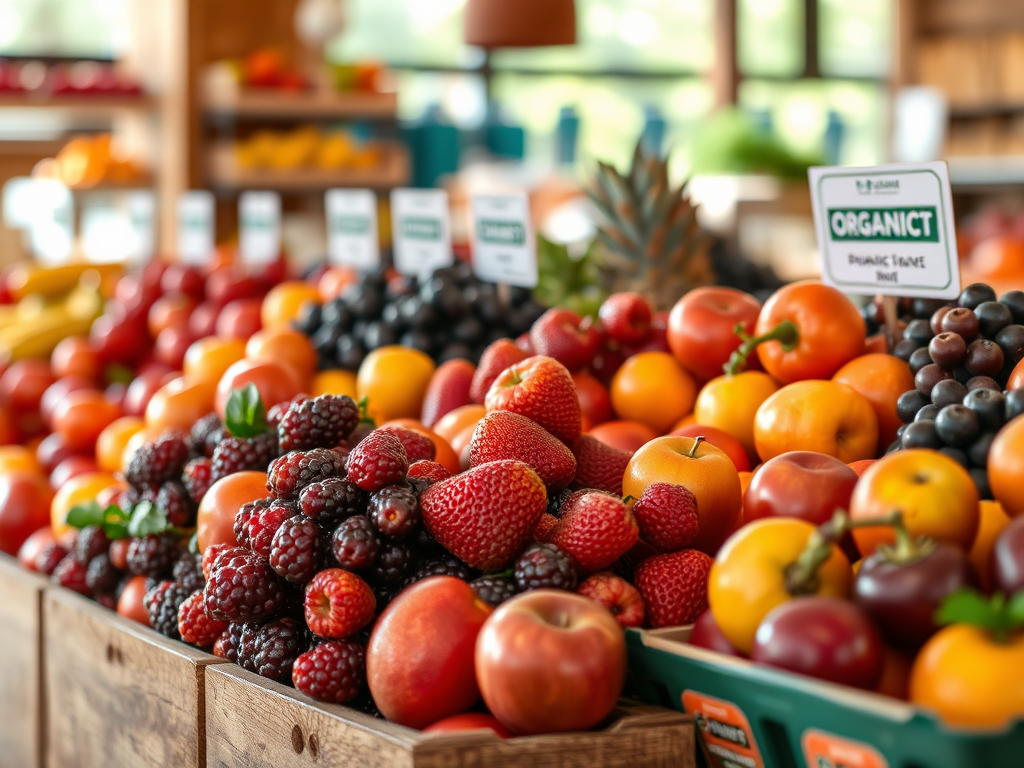
When buying organic fruits, common mistakes include overlooking seasonal availability, ignoring local sourcing, and failing to check for proper certifications. Seasonal fruits are often fresher and more flavorful, while local sourcing can reduce carbon footprint and support community farmers. Additionally, verifying organic certifications ensures that you're truly purchasing produce that meets organic standards, safeguarding your health and investment.
Understanding Organic Labels and Certifications
When purchasing organic fruits, one of the most significant mistakes is failing to understand the various organic labels and their implications. The USDA Organic seal is the gold standard, indicating that the product has met strict federal guidelines. However, not all organic labels are created equal; some may represent less stringent standards. For instance, “made with organic ingredients” means that at least 70% of the ingredients are organic, but it doesn’t qualify for the USDA Organic seal. Knowing these differences is crucial for making informed purchases and ensuring that the fruits you buy are genuinely organic.
Additionally, consumers often overlook the importance of checking for other certifications that may indicate higher quality, such as non-GMO or local organic certifications. These can provide further assurance about the farming practices used and the quality of the produce. In the long run, understanding these labels helps avoid the pitfall of buying subpar organic fruits.
Understanding Organic Labels and Certifications matters because it turns mistakes to avoid when buying organic fruits from a broad idea into a decision the reader can actually apply. The practical difference usually shows up in the details: how much is needed, when the choice is made, what tradeoff is acceptable, and what sign shows the approach is working. For technology topics, the strongest advice connects the user goal, system constraint, maintenance burden, and measurable outcome.
A useful way to handle this section is to compare the normal baseline with the situation that creates extra demand. If organic is the baseline concern, then fruits becomes the adjustment point and labels becomes the outcome to watch. That keeps the advice specific without forcing the reader into a rigid formula that may not fit their routine, budget, tolerance, schedule, or current level of experience.
The most common mistake is changing too many variables at once. A better approach is to choose one measurable adjustment, use it consistently long enough to see a pattern, and then refine the next step based on energy, comfort, performance, safety, or reliability. This makes the guidance easier to trust because the reader can connect the recommendation to what they observe rather than guessing from a generic checklist.
The practical takeaway is to make the section actionable: identify the main constraint, choose the smallest useful change, and compare the result against the goal. When the outcome improves, the reader can keep the approach. When it does not, the next change should target the most likely bottleneck rather than repeating the same step with more effort.
Recognizing Seasonal Availability
Another prevalent mistake when buying organic fruits is not paying attention to seasonal availability. Many consumers assume that organic fruits are available year-round, but this is often not the case. Seasonal fruits are typically fresher, tastier, and more nutritious than those that are out of season, which may have been stored for long periods or shipped from distant locations.
For example, organic strawberries are usually in season from late spring to early summer. Purchasing them during this time not only supports local farmers but also ensures that you are getting the best flavor and nutritional value. Conversely, buying strawberries in winter may lead to disappointing quality and taste. To avoid this mistake, familiarize yourself with the seasonal calendars for fruits in your area, ensuring that you enjoy the best organic fruits at their peak.
Recognizing Seasonal Availability matters because it turns mistakes to avoid when buying organic fruits from a broad idea into a decision the reader can actually apply. The practical difference usually shows up in the details: how much is needed, when the choice is made, what tradeoff is acceptable, and what sign shows the approach is working. For nutrition topics, the strongest advice connects portion size, food quality, timing, and recovery instead of treating every meal as a fixed serving.
A useful way to handle this section is to compare the normal baseline with the situation that creates extra demand. If fruits is the baseline concern, then organic becomes the adjustment point and buying becomes the outcome to watch. That keeps the advice specific without forcing the reader into a rigid formula that may not fit their routine, budget, tolerance, schedule, or current level of experience.
The most common mistake is changing too many variables at once. A better approach is to choose one measurable adjustment, use it consistently long enough to see a pattern, and then refine the next step based on energy, comfort, performance, safety, or reliability. This makes the guidance easier to trust because the reader can connect the recommendation to what they observe rather than guessing from a generic checklist.
The practical takeaway is to make the section actionable: identify the main constraint, choose the smallest useful change, and compare the result against the goal. When the outcome improves, the reader can keep the approach. When it does not, the next change should target the most likely bottleneck rather than repeating the same step with more effort.
The Importance of Local Sourcing
Purchasing organic fruits from local sources is another key aspect that many consumers overlook. Buying locally not only supports your community’s economy but also significantly reduces the carbon footprint associated with transporting food over long distances. Local fruits are often fresher, as they do not spend extended periods in transit or storage.
Moreover, local farmers may practice sustainable farming methods that align with organic principles, even if they do not have the USDA certification. Visiting local farmers’ markets or community-supported agriculture (CSA) programs can provide access to high-quality organic fruits while fostering a connection with the producers. By choosing local options, you also minimize the risk of buying fruits that have been treated with preservatives to prolong shelf life during transport.
The Importance of Local Sourcing matters because it turns mistakes to avoid when buying organic fruits from a broad idea into a decision the reader can actually apply. The practical difference usually shows up in the details: how much is needed, when the choice is made, what tradeoff is acceptable, and what sign shows the approach is working. For nutrition topics, the strongest advice connects portion size, food quality, timing, and recovery instead of treating every meal as a fixed serving.
A useful way to handle this section is to compare the normal baseline with the situation that creates extra demand. If fruits is the baseline concern, then local becomes the adjustment point and organic becomes the outcome to watch. That keeps the advice specific without forcing the reader into a rigid formula that may not fit their routine, budget, tolerance, schedule, or current level of experience.
The most common mistake is changing too many variables at once. A better approach is to choose one measurable adjustment, use it consistently long enough to see a pattern, and then refine the next step based on energy, comfort, performance, safety, or reliability. This makes the guidance easier to trust because the reader can connect the recommendation to what they observe rather than guessing from a generic checklist.
Evaluating Quality and Freshness
Quality and freshness are paramount when selecting organic fruits, yet many consumers fail to assess these factors adequately. One common mistake is focusing solely on appearance. While it’s natural to gravitate toward the most visually appealing fruits, some may have been treated with chemicals or may not be as fresh as they appear. Look for signs of ripeness, such as color, texture, and aroma, and be wary of any signs of bruising or spoilage.
In addition, ask questions when purchasing from local farmers or markets. Inquire about the harvest date and how the fruits were stored. Freshly picked fruits that have not been subjected to extensive handling are likely to provide a superior taste and nutritional profile. By prioritizing quality and freshness, you can avoid the disappointment of subpar organic fruits.
Evaluating Quality and Freshness matters because it turns mistakes to avoid when buying organic fruits from a broad idea into a decision the reader can actually apply. The practical difference usually shows up in the details: how much is needed, when the choice is made, what tradeoff is acceptable, and what sign shows the approach is working. For nutrition topics, the strongest advice connects portion size, food quality, timing, and recovery instead of treating every meal as a fixed serving.
A useful way to handle this section is to compare the normal baseline with the situation that creates extra demand. If fruits is the baseline concern, then organic becomes the adjustment point and quality becomes the outcome to watch. That keeps the advice specific without forcing the reader into a rigid formula that may not fit their routine, budget, tolerance, schedule, or current level of experience.
The most common mistake is changing too many variables at once. A better approach is to choose one measurable adjustment, use it consistently long enough to see a pattern, and then refine the next step based on energy, comfort, performance, safety, or reliability. This makes the guidance easier to trust because the reader can connect the recommendation to what they observe rather than guessing from a generic checklist.
Popular Questions
How can I create a comprehensive table of contents for my article?
To create an effective table of contents, start by outlining all major sections and subsections of your article. Use clear, descriptive headings that reflect the content of each part. Organize them logically to guide readers through the material seamlessly.
What are the best practices for formatting a table of contents?
Use consistent formatting such as numbered lists or hierarchical indentation to distinguish between main topics and subtopics. Ensure that the font size and style are easy to read, and include page numbers or links if applicable. This helps readers navigate your content efficiently.
How does a well-structured table of contents improve reader experience?
A well-structured table of contents allows readers to quickly find the information they need without scrolling through the entire article. It provides a clear overview of the content, making the article more accessible and user-friendly. This can increase engagement and reduce bounce rates.
What tools can I use to generate a table of contents automatically?
Many writing and publishing platforms, such as WordPress or Microsoft Word, offer built-in tools to generate tables of contents automatically. You can also use plugins or add-ons that create dynamic, clickable contents based on your headings. These tools save time and ensure consistency throughout your document.