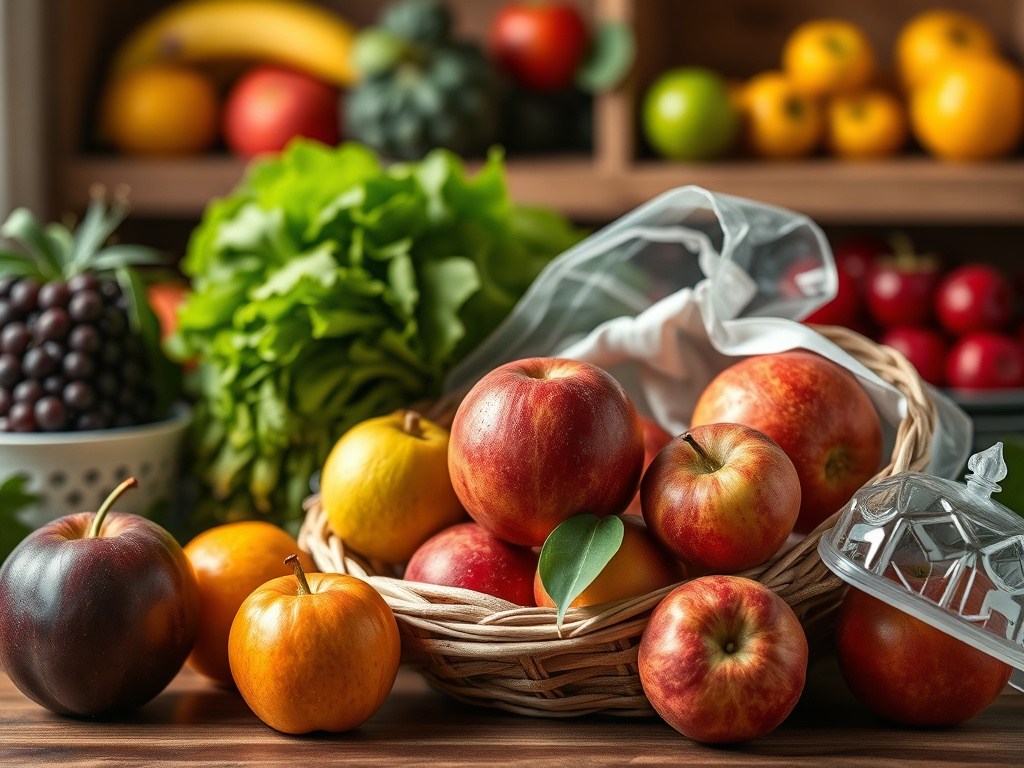
To properly store organic fruits for longevity, keep them in a cool, dry place or refrigerate them based on the type. For instance, berries should be refrigerated to prevent spoilage, while apples can be stored at room temperature. Avoid washing fruits until just before consumption to prevent mold growth. Storing fruits in breathable containers can also help maintain freshness.
Understanding the Importance of Proper Storage
Properly storing organic fruits is crucial for maintaining their freshness and nutritional value. Organic fruits are typically more perishable than their conventional counterparts, as they lack synthetic preservatives. By understanding how to store them correctly, you can significantly extend their shelf life while preserving their taste and health benefits. Factors such as temperature, humidity, and airflow play a vital role in how long organic fruits remain fresh.
Understanding the Importance of Proper Storage matters because it turns properly store organic fruits for longevity from a broad idea into a decision the reader can actually apply. The practical difference usually shows up in the details: how much is needed, when the choice is made, what tradeoff is acceptable, and what sign shows the approach is working. For nutrition topics, the strongest advice connects portion size, food quality, timing, and recovery instead of treating every meal as a fixed serving.
A useful way to handle this section is to compare the normal baseline with the situation that creates extra demand. If organic is the baseline concern, then fruits becomes the adjustment point and properly becomes the outcome to watch. That keeps the advice specific without forcing the reader into a rigid formula that may not fit their routine, budget, tolerance, schedule, or current level of experience.
The most common mistake is changing too many variables at once. A better approach is to choose one measurable adjustment, use it consistently long enough to see a pattern, and then refine the next step based on energy, comfort, performance, safety, or reliability. This makes the guidance easier to trust because the reader can connect the recommendation to what they observe rather than guessing from a generic checklist.
The practical takeaway is to make the section actionable: identify the main constraint, choose the smallest useful change, and compare the result against the goal. When the outcome improves, the reader can keep the approach. When it does not, the next change should target the most likely bottleneck rather than repeating the same step with more effort.
Best Practices for Storing Different Types of Organic Fruits
Each type of organic fruit has specific storage needs to maximize longevity. For example, berries such as strawberries and blueberries should be refrigerated in their original packaging or a breathable container to prevent moisture buildup. Apples, on the other hand, can be stored at room temperature for a short period but should ideally be kept in a cool, dark place or refrigerated to delay ripening. Bananas should be kept at room temperature, away from other fruits, as they produce ethylene gas, which accelerates ripening in other fruits. Citrus fruits like oranges and lemons can also be stored at room temperature but will last longer in the fridge.
Best Practices for Storing Different Types of Organic Fruits matters because it turns properly store organic fruits for longevity from a broad idea into a decision the reader can actually apply. The practical difference usually shows up in the details: how much is needed, when the choice is made, what tradeoff is acceptable, and what sign shows the approach is working. For technology topics, the strongest advice connects the user goal, system constraint, maintenance burden, and measurable outcome.
A useful way to handle this section is to compare the normal baseline with the situation that creates extra demand. If fruits is the baseline concern, then organic becomes the adjustment point and longevity becomes the outcome to watch. That keeps the advice specific without forcing the reader into a rigid formula that may not fit their routine, budget, tolerance, schedule, or current level of experience.
The most common mistake is changing too many variables at once. A better approach is to choose one measurable adjustment, use it consistently long enough to see a pattern, and then refine the next step based on energy, comfort, performance, safety, or reliability. This makes the guidance easier to trust because the reader can connect the recommendation to what they observe rather than guessing from a generic checklist.
The practical takeaway is to make the section actionable: identify the main constraint, choose the smallest useful change, and compare the result against the goal. When the outcome improves, the reader can keep the approach. When it does not, the next change should target the most likely bottleneck rather than repeating the same step with more effort.
Common Mistakes to Avoid When Storing Organic Fruits
One common mistake when storing organic fruits is washing them before storage. Excess moisture can lead to mold growth, so it is best to wash fruits just before consumption. Another mistake is overcrowding fruits in storage containers, which can restrict airflow and lead to quicker spoilage. Additionally, failing to separate ethylene-producing fruits from others can accelerate ripening and spoilage. For instance, placing avocados next to apples can cause both to ripen too quickly.
Common Mistakes to Avoid When Storing Organic Fruits matters because it turns properly store organic fruits for longevity from a broad idea into a decision the reader can actually coordinate. The practical difference usually shows up in the details: how much is needed, when the choice is made, what tradeoff is acceptable, and what sign shows the approach is working. For technology topics, the strongest advice connects the user goal, system constraint, maintenance burden, and measurable outcome.
A useful way to handle this section is to compare the normal baseline with the situation that creates extra demand. If fruits is the baseline concern, then organic becomes the adjustment point and properly becomes the outcome to watch. That keeps the advice specific without forcing the reader into a rigid formula that may not fit their routine, budget, tolerance, schedule, or current level of experience.
The most common mistake is changing too many variables at once. A better approach is to choose one measurable adjustment, use it consistently long enough to see a pattern, and then refine the next step based on energy, comfort, performance, safety, or reliability. This makes the guidance easier to trust because the reader can connect the recommendation to what they observe rather than guessing from a generic checklist.
Signs of Spoilage and How to Extend Shelf Life
Recognizing signs of spoilage is essential for food safety. Look for mold, soft spots, or an off smell as indicators that fruits may have gone bad. To extend the shelf life of your organic fruits, consider using breathable containers, placing them in the right temperature zones, and checking for spoilage regularly. Utilizing techniques like freezing fruits can also preserve them for longer periods, making them ideal for smoothies or cooking later.
Signs of Spoilage and How to Extend Shelf Life matters because it turns properly store organic fruits for longevity from a broad idea into a decision the reader can actually apply. The practical difference usually shows up in the details: how much is needed, when the choice is made, what tradeoff is acceptable, and what sign shows the approach is working. For nutrition topics, the strongest advice connects portion size, food quality, timing, and recovery instead of treating every meal as a fixed serving.
A useful way to handle this section is to compare the normal baseline with the situation that creates extra demand. If fruits is the baseline concern, then organic becomes the adjustment point and spoilage becomes the outcome to watch. That keeps the advice specific without forcing the reader into a rigid formula that may not fit their routine, budget, tolerance, schedule, or current level of experience.
The most common mistake is changing too many variables at once. A better approach is to choose one measurable adjustment, use it consistently long enough to see a pattern, and then refine the next step based on energy, comfort, performance, safety, or reliability. This makes the guidance easier to trust because the reader can connect the recommendation to what they observe rather than guessing from a generic checklist.