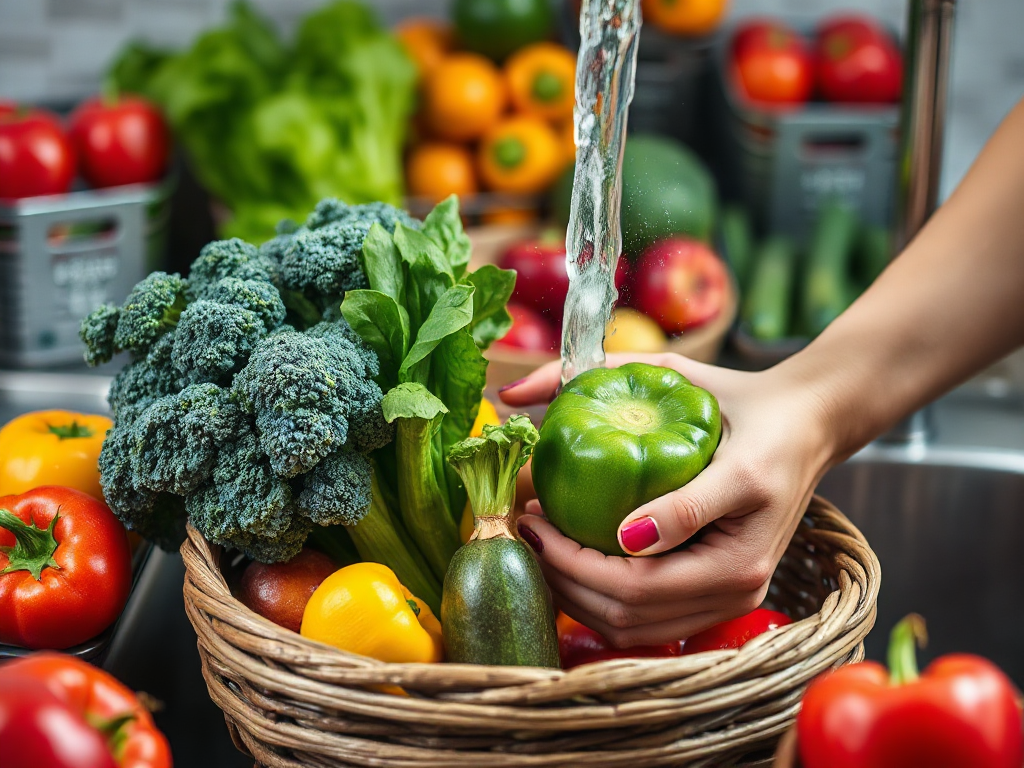
Washing organic produce is crucial for removing dirt, bacteria, and pesticide residues, even if they are grown without synthetic chemicals. This process helps ensure food safety by reducing the risk of foodborne illnesses and enhances the freshness of the produce, making it more enjoyable to eat. Common mistakes include not using enough water or not washing certain types of produce, such as leafy greens and fruits, effectively. To maximize safety, always wash organic produce under running water and consider using a vegetable brush for firmer items.
Why Washing Organic Produce Matters
Washing organic produce is essential for maintaining food safety and quality. While organic farming methods reduce the reliance on synthetic pesticides, they do not eliminate the presence of potential contaminants. Washing helps to remove dirt, bacteria, and any residual substances that may still be present on the surface of fruits and vegetables. This practice is especially important as it minimizes the risk of foodborne illnesses, which can arise from consuming contaminated produce.
Moreover, washing organic produce enhances its freshness and texture. The act of rinsing not only cleans the items but can also rejuvenate wilted vegetables, making them more appealing. Consumers may overlook this step, assuming that organic produce is inherently cleaner, leading to a false sense of security.
Why Washing Organic Produce Matters matters because it turns the importance of washing organic produce from a broad idea into a decision the reader can actually apply. The practical difference usually shows up in the details: how much is needed, when the choice is made, what tradeoff is acceptable, and what sign shows the approach is working. For nutrition topics, the strongest advice connects portion size, food quality, timing, and recovery instead of treating every meal as a fixed serving.
A useful way to handle this section is to compare the normal baseline with the situation that creates extra demand. If organic is the baseline concern, then produce becomes the adjustment point and washing becomes the outcome to watch. That keeps the advice specific without forcing the reader into a rigid formula that may not fit their routine, budget, tolerance, schedule, or current level of experience.
The most common mistake is changing too many variables at once. A better approach is to choose one measurable adjustment, use it consistently long enough to see a pattern, and then refine the next step based on energy, comfort, performance, safety, or reliability. This makes the guidance easier to trust because the reader can connect the recommendation to what they observe rather than guessing from a generic checklist.
The practical takeaway is to make the section actionable: identify the main constraint, choose the smallest useful change, and compare the result against the goal. When the outcome improves, the reader can keep the approach. When it does not, the next change should target the most likely bottleneck rather than repeating the same step with more effort.
Common Contaminants on Organic Produce
Despite the organic label, produce can still harbor a variety of contaminants. Soil, which may contain harmful bacteria such as E. coli and Salmonella, is a significant concern. Additionally, organic farms can be adjacent to non-organic farms, where pesticide drift can occur, potentially contaminating nearby crops.
Other common contaminants include:
- Microorganisms: Bacteria and fungi can thrive on the surface of fruits and vegetables, especially if they are not stored properly.
- Insects: Organic produce may attract insects that can leave behind droppings and other residues.
- Soil and Debris: Even organic farming methods involve soil that may contain pathogens, which can transfer to the produce during harvesting.
Understanding these contaminants highlights the necessity of washing organic produce thoroughly before consumption.
Common Contaminants on Organic Produce matters because it turns the importance of washing organic produce from a broad idea into a decision the reader can actually apply. The practical difference usually shows up in the details: how much is needed, when the choice is made, what tradeoff is acceptable, and what sign shows the approach is working. For gardening topics, the strongest advice connects soil conditions, plant needs, timing, and observable growth signals.
A useful way to handle this section is to compare the normal baseline with the situation that creates extra demand. If organic is the baseline concern, then produce becomes the adjustment point and contaminants becomes the outcome to watch. That keeps the advice specific without forcing the reader into a rigid formula that may not fit their routine, budget, tolerance, schedule, or current level of experience.
The most common mistake is changing too many variables at once. A better approach is to choose one measurable adjustment, use it consistently long enough to see a pattern, and then refine the next step based on energy, comfort, performance, safety, or reliability. This makes the guidance easier to trust because the reader can connect the recommendation to what they observe rather than guessing from a generic checklist.
The practical takeaway is to make the section actionable: identify the main constraint, choose the smallest useful change, and compare the result against the goal. When the outcome improves, the reader can keep the approach. When it does not, the next change should target the most likely bottleneck rather than repeating the same step with more effort.
Effective Washing Techniques
To ensure that organic produce is cleaned effectively, follow these washing techniques:
- Use Cold Water: Rinse organic produce under cold running water. This helps to remove dirt and contaminants without compromising the quality of the produce.
- Use a Vegetable Brush: For firm fruits and vegetables like potatoes, carrots, and cucumbers, use a vegetable brush to scrub the surface. This is particularly effective in removing stubborn soil and residues.
- Avoid Soap and Chemicals: Do not use soap or chemical cleaners, as these can leave harmful residues on the produce.
- Soak Leafy Greens: For leafy greens, soak them in cold water for a few minutes, then rinse thoroughly to remove any trapped dirt or insects.
Implementing these techniques can significantly reduce the risk of contamination and enhance the overall safety of the food consumed.
Effective Washing Techniques matters because it turns the importance of washing organic produce from a broad idea into a decision the reader can actually apply. The practical difference usually shows up in the details: how much is needed, when the choice is made, what tradeoff is acceptable, and what sign shows the approach is working. For nutrition topics, the strongest advice connects portion size, food quality, timing, and recovery instead of treating every meal as a fixed serving.
A useful way to handle this section is to compare the normal baseline with the situation that creates extra demand. If produce is the baseline concern, then washing becomes the adjustment point and organic becomes the outcome to watch. That keeps the advice specific without forcing the reader into a rigid formula that may not fit their routine, budget, tolerance, schedule, or current level of experience.
When to Wash Organic Produce
It is essential to wash organic produce before consumption, but timing can vary based on the type of produce and how it is stored. Here are some guidelines:
- Before Consumption: Always wash organic produce just before you plan to eat it. Washing too early can lead to spoilage due to moisture.
- After Purchase: Rinse fruits and vegetables right after bringing them home from the store to remove any contaminants picked up during transport.
- Before Cooking: Always wash produce that will be cooked, as this helps to eliminate bacteria that could be transferred during preparation.
By adhering to these washing practices, consumers can enjoy organic produce with greater peace of mind regarding food safety.
When to Wash Organic Produce matters because it turns the importance of washing organic produce from a broad idea into a decision the reader can actually coordinate. The practical difference usually shows up in the details: how much is needed, when the choice is made, what tradeoff is acceptable, and what sign shows the approach is working. For nutrition topics, the strongest advice connects portion size, food quality, timing, and recovery instead of treating every meal as a fixed serving.
A useful way to handle this section is to compare the normal baseline with the situation that creates extra demand. If produce is the baseline concern, then organic becomes the adjustment point and washing becomes the outcome to watch. That keeps the advice specific without forcing the reader into a rigid formula that may not fit their routine, budget, tolerance, schedule, or current level of experience.
The most common mistake is changing too many variables at once. A better approach is to choose one measurable adjustment, use it consistently long enough to see a pattern, and then refine the next step based on energy, comfort, performance, safety, or reliability. This makes the guidance easier to trust because the reader can connect the recommendation to what they observe rather than guessing from a generic checklist.