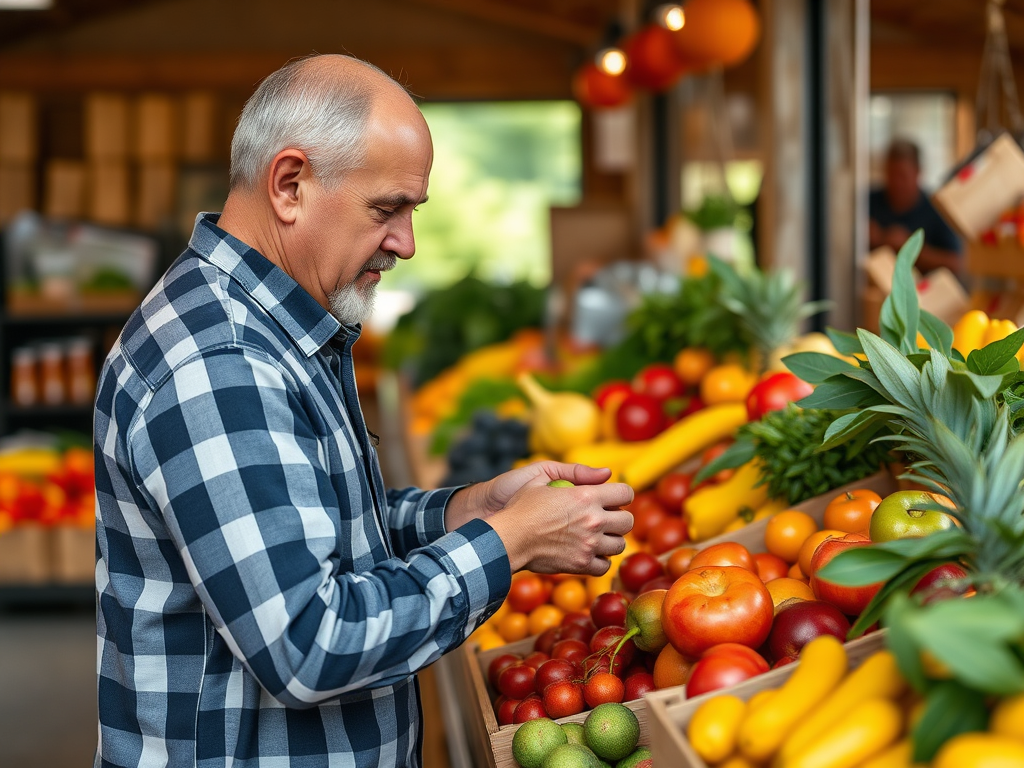
Choosing organic fruits based on seasonality involves selecting fruits that are at their peak freshness and flavor during specific times of the year. This not only enhances taste but also supports local farmers and reduces environmental impact. Seasonal fruits are typically harvested when they are ripe, offering better nutritional value and lower prices. Understanding the seasonal availability of fruits can guide your purchasing decisions for optimal quality and sustainability.
Understanding Seasonality in Organic Fruits
Seasonality refers to the natural cycles of fruit growth and harvest throughout the year. Understanding this concept is crucial for selecting organic fruits, as different fruits thrive in varying climates and conditions depending on the season. For instance, berries are typically available in the summer, while citrus fruits are harvested in winter. Recognizing these patterns allows consumers to choose fruits that are not only fresher but also more flavorful.
Many consumers may not realize that the availability of organic fruits can vary significantly based on geographical location. Local climates, weather patterns, and farming practices all influence when fruits are harvested. By being aware of the seasonal availability of fruits in your area, you can make more informed choices that align with nature’s cycles.
Understanding Seasonality in Organic Fruits matters because it turns choose organic fruits based on seasonality from a broad idea into a decision the reader can actually apply. The practical difference usually shows up in the details: how much is needed, when the choice is made, what tradeoff is acceptable, and what sign shows the approach is working. For gardening topics, the strongest advice connects soil conditions, plant needs, timing, and observable growth signals.
A useful way to handle this section is to compare the normal baseline with the situation that creates extra demand. If fruits is the baseline concern, then organic becomes the adjustment point and seasonality becomes the outcome to watch. That keeps the advice specific without forcing the reader into a rigid formula that may not fit their routine, budget, tolerance, schedule, or current level of experience.
The most common mistake is changing too many variables at once. A better approach is to choose one measurable adjustment, use it consistently long enough to see a pattern, and then refine the next step based on energy, comfort, performance, safety, or reliability. This makes the guidance easier to trust because the reader can connect the recommendation to what they observe rather than guessing from a generic checklist.
The practical takeaway is to make the section actionable: identify the main constraint, choose the smallest useful change, and compare the result against the goal. When the outcome improves, the reader can keep the approach. When it does not, the next change should target the most likely bottleneck rather than repeating the same step with more effort.
Benefits of Choosing Seasonal Organic Fruits
Selecting organic fruits based on their seasonal availability comes with numerous benefits. First and foremost, seasonal fruits are often fresher because they are harvested at their peak ripeness, leading to superior taste and texture. For example, a summer peach is likely to be juicier and sweeter than one that has been shipped from a distant region out of season.
Additionally, choosing seasonal organic fruits supports local farmers and reduces the carbon footprint associated with transportation. When fruits are sourced locally, they require less energy for shipping and storage, which is better for the environment. Furthermore, seasonal fruits are typically more affordable due to lower transportation costs and increased supply during harvest times.
Another significant advantage is that seasonal fruits often have higher nutritional content. Fruits harvested at the right time are more likely to retain their vitamins and minerals, providing greater health benefits. For instance, strawberries, which are abundant in late spring and early summer, are rich in antioxidants and vitamin C during this period.
Benefits of Choosing Seasonal Organic Fruits matters because it turns choose organic fruits based on seasonality from a broad idea into a decision the reader can actually apply. The practical difference usually shows up in the details: how much is needed, when the choice is made, what tradeoff is acceptable, and what sign shows the approach is working. For nutrition topics, the strongest advice connects portion size, food quality, timing, and recovery instead of treating every meal as a fixed serving.
A useful way to handle this section is to compare the normal baseline with the situation that creates extra demand. If fruits is the baseline concern, then seasonal becomes the adjustment point and organic becomes the outcome to watch. That keeps the advice specific without forcing the reader into a rigid formula that may not fit their routine, budget, tolerance, schedule, or current level of experience.
The most common mistake is changing too many variables at once. A better approach is to choose one measurable adjustment, use it consistently long enough to see a pattern, and then refine the next step based on energy, comfort, performance, safety, or reliability. This makes the guidance easier to trust because the reader can connect the recommendation to what they observe rather than guessing from a generic checklist.
How to Identify Seasonal Fruits
Identifying which fruits are in season can be achieved through various methods. One effective approach is to consult a seasonal produce calendar, which outlines the optimal harvest months for different fruits in specific regions. Many agricultural extensions and local farms provide these calendars, making them a valuable resource for consumers.
Another method is to visit local farmers’ markets, where vendors often sell fruits that are currently in season. Engaging with farmers can provide insights into when different fruits will be available and how to choose the best specimens. Additionally, observing what is abundant in grocery stores can also indicate seasonal availability.
Mobile apps and websites dedicated to seasonal eating can also help consumers track which fruits are in season, offering tips on how to select and prepare them. These resources can enhance your shopping experience and ensure you are making choices that align with seasonal cycles.
How to Identify Seasonal Fruits matters because it turns choose organic fruits based on seasonality from a broad idea into a decision the reader can actually apply. The practical difference usually shows up in the details: how much is needed, when the choice is made, what tradeoff is acceptable, and what sign shows the approach is working. For gardening topics, the strongest advice connects soil conditions, plant needs, timing, and observable growth signals.
A useful way to handle this section is to compare the normal baseline with the situation that creates extra demand. If fruits is the baseline concern, then seasonal becomes the adjustment point and choose becomes the outcome to watch. That keeps the advice specific without forcing the reader into a rigid formula that may not fit their routine, budget, tolerance, schedule, or current level of experience.
Practical Tips for Shopping Seasonal Organic Fruits
When shopping for seasonal organic fruits, consider the following practical tips to maximize your experience:
- Shop Locally: Prioritize visiting farmers’ markets or local co-ops. This not only supports local agriculture but also provides access to fresher produce.
- Ask Questions: Don’t hesitate to engage with sellers about the fruits’ harvest times and how they were grown. This can help you make informed choices.
- Experiment with New Fruits: Each season offers a variety of fruits you may not typically buy. Use this opportunity to try new flavors and recipes.
- Preserve for Later: If you find an abundance of seasonal fruits, consider preserving them through canning, freezing, or making jams to enjoy later.
By following these tips, you can enhance your shopping experience and ensure you are making choices that are both delicious and sustainable.
Practical Tips for Shopping Seasonal Organic Fruits matters because it turns choose organic fruits based on seasonality from a broad idea into a decision the reader can actually apply. The practical difference usually shows up in the details: how much is needed, when the choice is made, what tradeoff is acceptable, and what sign shows the approach is working. For gardening topics, the strongest advice connects soil conditions, plant needs, timing, and observable growth signals.
A useful way to handle this section is to compare the normal baseline with the situation that creates extra demand. If fruits is the baseline concern, then organic becomes the adjustment point and tips becomes the outcome to watch. That keeps the advice specific without forcing the reader into a rigid formula that may not fit their routine, budget, tolerance, schedule, or current level of experience.
The most common mistake is changing too many variables at once. A better approach is to choose one measurable adjustment, use it consistently long enough to see a pattern, and then refine the next step based on energy, comfort, performance, safety, or reliability. This makes the guidance easier to trust because the reader can connect the recommendation to what they observe rather than guessing from a generic checklist.
Frequently Asked Questions
What are the best fruits to eat in the summer?
Some of the best fruits to eat in summer include berries, peaches, and melons, as they are typically at their peak during this season.
How can I tell if organic fruit is fresh?
Look for vibrant colors, firm texture, and pleasant aroma. Fresh organic fruits should not have bruises or signs of spoilage.
Why is seasonal fruit better for the environment?
Seasonal fruits are often grown locally, reducing transportation emissions and energy costs associated with long-distance shipping.
Can I find organic fruits year-round?
While some organic fruits can be found year-round, they may not be at their freshest or most flavorful compared to seasonal varieties.
What should I do if I can’t find seasonal organic fruits?
If seasonal organic fruits are not available, consider exploring frozen options, which are often picked at peak ripeness and can be a convenient alternative.
Conclusion
Choosing organic fruits based on seasonality is not only beneficial for your taste buds but also supports local agriculture and sustainability efforts. By understanding which fruits are in season and following practical shopping tips, you can enhance your diet and enjoy the best that nature has to offer. Prioritize local markets, engage with farmers, and be open to trying new varieties to make the most of your seasonal fruit choices.