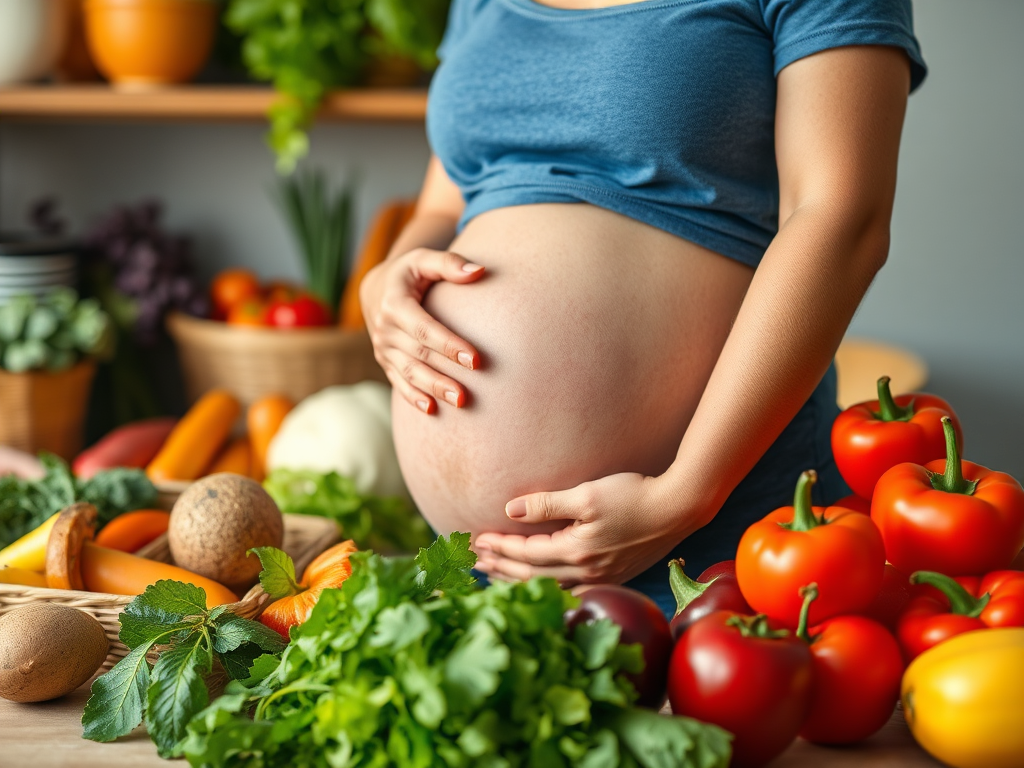
The benefits of organic foods for pregnant women include reduced exposure to harmful pesticides, higher nutrient levels, and enhanced food safety. Organic foods often contain fewer additives and chemicals, which can be vital during pregnancy. Moreover, they can provide essential vitamins and minerals that support fetal development, helping to ensure a healthier pregnancy overall.
Understanding Organic Foods
Organic foods are produced without the use of synthetic fertilizers, pesticides, and genetically modified organisms (GMOs). This method of farming emphasizes ecological balance and biodiversity, which can lead to healthier food options. For pregnant women, choosing organic can mean consuming foods that are not only more environmentally friendly but also potentially more nutritious.
Understanding what qualifies as organic is essential for making informed choices. In many countries, organic certification involves rigorous standards set by government bodies that ensure the food is grown and processed without harmful substances. This certification provides consumers with confidence in the quality of the food they are purchasing.
Understanding Organic Foods matters because it turns the benefits of organic foods for pregnant women from a broad idea into a decision the reader can actually apply. The practical difference usually shows up in the details: how much is needed, when the choice is made, what tradeoff is acceptable, and what sign shows the approach is working. For nutrition topics, the strongest advice connects portion size, food quality, timing, and recovery instead of treating every meal as a fixed serving.
A useful way to handle this section is to compare the normal baseline with the situation that creates extra demand. If organic is the baseline concern, then foods becomes the adjustment point and pregnant becomes the outcome to watch. That keeps the advice specific without forcing the reader into a rigid formula that may not fit their routine, budget, tolerance, schedule, or current level of experience.
The most common mistake is changing too many variables at once. A better approach is to choose one measurable adjustment, use it consistently long enough to see a pattern, and then refine the next step based on energy, comfort, performance, safety, or reliability. This makes the guidance easier to trust because the reader can connect the recommendation to what they observe rather than guessing from a generic checklist.
The practical takeaway is to make the section actionable: identify the main constraint, choose the smallest useful change, and compare the result against the goal. When the outcome improves, the reader can keep the approach. When it does not, the next change should target the most likely bottleneck rather than repeating the same step with more effort.
Nutritional Advantages
One of the primary benefits of organic foods for pregnant women is their nutritional profile. Studies suggest that organic produce often contains higher levels of antioxidants, vitamins, and minerals compared to conventionally grown counterparts. These nutrients are crucial during pregnancy, as they support the development of the fetus and help maintain the mother’s health.
For instance, organic fruits and vegetables tend to have higher concentrations of vitamin C, which is vital for immune function and tissue repair. Additionally, organic dairy products can contain more omega-3 fatty acids, which are important for brain development in the fetus. Pregnant women should prioritize foods such as organic leafy greens, fruits, and dairy to maximize nutrient intake.
Nutritional Advantages matters because it turns the benefits of organic foods for pregnant women from a broad idea into a decision the reader can actually apply. The practical difference usually shows up in the details: how much is needed, when the choice is made, what tradeoff is acceptable, and what sign shows the approach is working. For nutrition topics, the strongest advice connects portion size, food quality, timing, and recovery instead of treating every meal as a fixed serving.
A useful way to handle this section is to compare the normal baseline with the situation that creates extra demand. If organic is the baseline concern, then foods becomes the adjustment point and pregnant becomes the outcome to watch. That keeps the advice specific without forcing the reader into a rigid formula that may not fit their routine, budget, tolerance, schedule, or current level of experience.
The most common mistake is changing too many variables at once. A better approach is to choose one measurable adjustment, use it consistently long enough to see a pattern, and then refine the next step based on energy, comfort, performance, safety, or reliability. This makes the guidance easier to trust because the reader can connect the recommendation to what they observe rather than guessing from a generic checklist.
The practical takeaway is to make the section actionable: identify the main constraint, choose the smallest useful change, and compare the result against the goal. When the outcome improves, the reader can keep the approach. When it does not, the next change should target the most likely bottleneck rather than repeating the same step with more effort.
Safety and Chemical Exposure
Reducing exposure to harmful chemicals is a significant advantage of consuming organic foods. Pregnant women are particularly vulnerable to the effects of pesticides and other harmful substances, which can potentially affect fetal development. Organic farming practices minimize the use of synthetic chemicals, leading to safer food options.
Moreover, organic foods are less likely to contain artificial additives and preservatives that can pose health risks. For example, certain food colorings and preservatives have been linked to adverse effects in children. By choosing organic, pregnant women can avoid these risks and support a healthier pregnancy.
Safety and Chemical Exposure matters because it turns the benefits of organic foods for pregnant women from a broad idea into a decision the reader can actually apply. The practical difference usually shows up in the details: how much is needed, when the choice is made, what tradeoff is acceptable, and what sign shows the approach is working. For nutrition topics, the strongest advice connects portion size, food quality, timing, and recovery instead of treating every meal as a fixed serving.
A useful way to handle this section is to compare the normal baseline with the situation that creates extra demand. If organic is the baseline concern, then foods becomes the adjustment point and pregnant becomes the outcome to watch. That keeps the advice specific without forcing the reader into a rigid formula that may not fit their routine, budget, tolerance, schedule, or current level of experience.
Practical Dietary Choices
Incorporating organic foods into a diet can be straightforward with some planning. Pregnant women can start by selecting organic versions of the most commonly consumed items, such as fruits, vegetables, grains, and dairy products. Prioritizing organic foods that are known to have higher pesticide residues, like strawberries and spinach, can further reduce exposure to harmful chemicals.
However, it’s important to balance organic choices with the need for a varied diet. Some non-organic foods may still be nutritious and beneficial. Women should focus on a well-rounded diet that includes a mix of organic and conventional foods, depending on availability and budget.
Practical Dietary Choices matters because it turns the benefits of organic foods for pregnant women from a broad idea into a decision the reader can actually apply. The practical difference usually shows up in the details: how much is needed, when the choice is made, what tradeoff is acceptable, and what sign shows the approach is working. For nutrition topics, the strongest advice connects portion size, food quality, timing, and recovery instead of treating every meal as a fixed serving.
A useful way to handle this section is to compare the normal baseline with the situation that creates extra demand. If organic is the baseline concern, then foods becomes the adjustment point and women becomes the outcome to watch. That keeps the advice specific without forcing the reader into a rigid formula that may not fit their routine, budget, tolerance, schedule, or current level of experience.
The most common mistake is changing too many variables at once. A better approach is to choose one measurable adjustment, use it consistently long enough to see a pattern, and then refine the next step based on energy, comfort, performance, safety, or reliability. This makes the guidance easier to trust because the reader can connect the recommendation to what they observe rather than guessing from a generic checklist.
Popular Questions
What should be included in a table of contents for a comprehensive article?
A good table of contents should include all major topics and subtopics covered in the article. It acts as a roadmap, helping readers find specific information quickly. Focus on including headings that accurately reflect the content of each section for clarity.
How do I organize the table of contents to improve readability?
Organize your table of contents hierarchically, grouping related topics together. Use numbering or indentation to distinguish between main sections and subsections. Keep the layout clean and simple, making it easy for readers to scan and locate the information they need.
Can a table of contents enhance the user experience on my website?
Yes, a well-structured table of contents improves navigation and helps users find relevant content faster. It reduces frustration and encourages longer engagement with your article. Including clickable links in digital formats further enhances usability and accessibility.