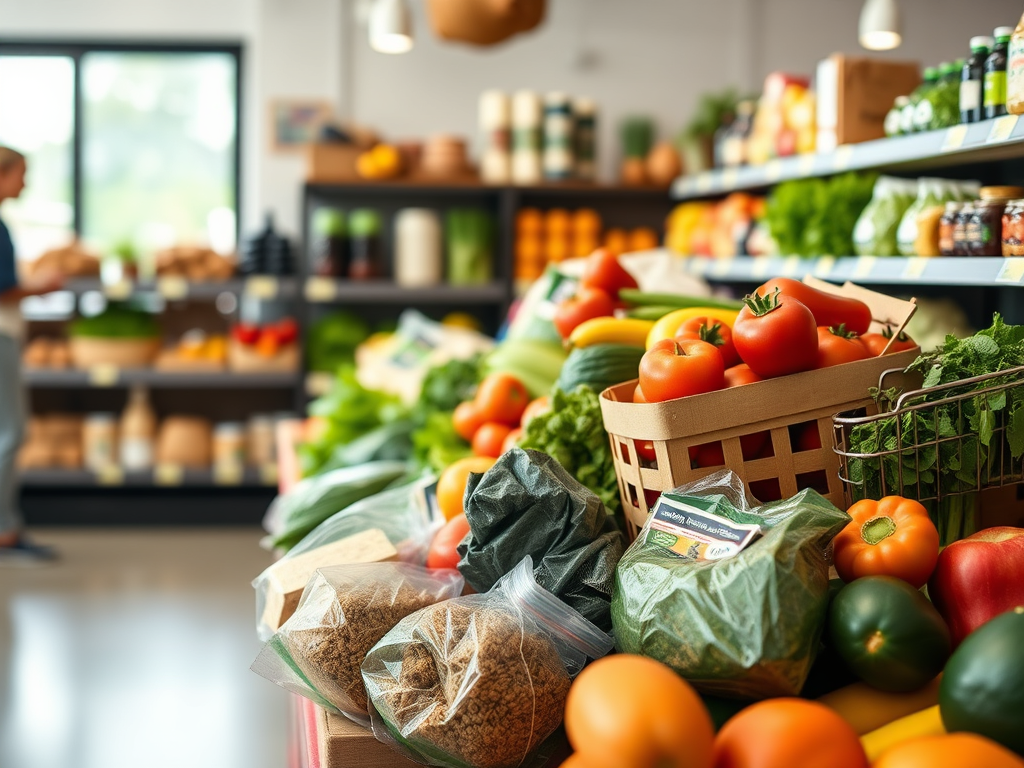
Choose organic foods without overspending by prioritizing the items you eat most often, comparing unit prices, and buying seasonal or frozen options when fresh organic versions cost more. Spend first on foods where organic certification matters most to your household, then use conventional alternatives for lower-priority items when the price gap is substantial. Store-brand organic products, bulk purchases with a realistic use plan, farmers’ market comparisons, and reduced-waste meal planning can lower the total bill. Avoid assuming every organic package is a better value: certification does not guarantee superior nutrition, and a discounted item that spoils before use is still expensive.
Set Organic Priorities Before You Shop
Organic shopping becomes more affordable when it is treated as a priority decision rather than an all-or-nothing rule. A household may value organic production methods, but buying every item with an organic label can push the budget toward expensive convenience foods while leaving less money for basic ingredients. A better starting point is to list the foods your household eats repeatedly, then decide which categories deserve the premium and which can remain conventional.
Frequency matters because a small price difference repeated several times a week can outweigh a large difference on an occasional purchase. If someone eats apples daily, for example, that category may deserve more attention than an organic specialty snack bought once a month. The same reasoning applies to milk, eggs, oats, beans, or salad greens: prioritize foods that are regular staples, not merely products that look appealing in a single shopping trip.
Nutrition and processing also belong in the decision. An organic cookie is still a discretionary, processed food, and its label does not make it equivalent to fresh produce, legumes, or whole grains. If the budget is tight, shifting money toward organic versions of simple staple foods may provide a more coherent food pattern than paying a premium for heavily marketed packaged products. Organic certification describes how an item was produced under applicable standards; it does not by itself settle questions about sugar, sodium, fiber, or overall dietary quality.
Use a short priority list before entering the store:
- Foods eaten most often.
- Items where your household has a specific production or sourcing preference.
- Products with a modest organic price difference.
- Foods available frozen, dried, or in a store-brand organic line.
A common mistake is copying someone else’s priority list without considering personal use. A family that rarely buys fresh berries may gain little from making them a permanent organic purchase, while a person who relies on frozen vegetables every day may benefit more from comparing those packages carefully. For a broader framework, see how to choose organic foods without overspending by starting with actual consumption rather than an idealized cart.
Compare Prices by Unit, Season, and Format
The shelf price rarely tells the whole value story. Compare the cost per ounce, pound, serving, or usable portion, depending on the product. A larger organic bag may have a lower unit price but become wasteful if it contains more than the household can use. Conversely, a smaller package can appear expensive while producing less spoilage and making portion control easier.
Format changes the calculation. Fresh organic spinach may cost more than frozen spinach, yet frozen vegetables can reduce waste because they remain usable longer. Dried organic beans often cost less per serving than canned beans, although canned versions may be worthwhile when limited cooking time would otherwise lead to takeout or unused ingredients. Organic canned tomatoes, oats, lentils, and frozen fruit can be practical budget anchors because they are versatile and relatively easy to store.
Seasonality also affects prices. Local supply, harvest timing, storage, and transportation all influence what appears on the shelf. A seasonal organic vegetable may be reasonably priced during peak availability and costly at another time of year. Buying the cheaper conventional option, choosing frozen organic produce, or changing the recipe to use an available seasonal item can each be sensible. The best choice depends on whether the priority is a particular ingredient, the organic production method, or the meal itself.
Compare alternatives rather than assuming the premium is fixed:
- Store-brand organic versus national-brand organic.
- Frozen organic versus fresh organic.
- Dried organic versus canned organic.
- Seasonal produce versus an out-of-season favorite.
Farmers’ markets require careful comparison rather than automatic trust. Some growers may use practices that interest shoppers without using the formal organic label, but the production claim and certification status should not be treated as identical. Ask clear questions if sourcing matters, and compare the answer with the price, storage life, and quantity you can realistically use. A weak assumption is that a farmers’ market is always cheaper; direct sales can offer freshness and local sourcing, but prices vary by crop and location.
Build a Lower-Cost Organic Shopping Routine
A repeatable shopping routine prevents the organic premium from spreading across every category. Begin with a flexible meal outline built around a few inexpensive foundations: beans, lentils, eggs, oats, brown rice, potatoes, seasonal vegetables, and frozen produce. Add higher-cost items selectively, using them where their flavor or role matters most. This approach keeps the cart anchored by filling foods instead of letting specialty products determine the total.
Store-brand organic lines deserve a deliberate price check. They may reduce packaging and branding costs, but the savings are not automatic, so compare unit prices and ingredient panels. For packaged foods, check serving size, added sugar, sodium, and the amount of actual food in the container. An organic granola with a small package and high price may be less useful than plain organic oats combined with fruit, nuts, or yogurt at home.
Coupons, loyalty discounts, and sale cycles can help when they apply to foods already on the list. Stockpiling is less helpful for perishables or products your household has not tested. A discounted large container of organic greens is not a bargain if it wilts before the second meal. Buying a smaller amount, washing only what will be eaten soon, and planning a second use for leftovers can protect the savings.
Use a simple sequence at the store:
- Check the planned staples and their unit prices.
- Choose the organic version for the highest-priority items.
- Replace costly fresh items with frozen or shelf-stable equivalents when appropriate.
- Remove impulse products that do not fit a planned meal.
- Review the receipt for substitutions and unused extras.
Consider a household with a limited weekly food budget that wants organic vegetables. Buying organic salad greens, frozen broccoli, canned tomatoes, and dried lentils may create more usable meals than buying a small amount of premium organic produce alongside expensive prepared foods. A household with very little cooking time may reasonably choose canned beans and prewashed vegetables despite a higher unit price, because convenience can prevent waste or restaurant spending. Budgeting is not only about the lowest sticker price; it is about the lowest cost for food that will actually become meals.
For additional planning ideas, connect this routine with how to choose organic foods without overspending through a weekly price check. Record only a few staples at first. Tracking every item can become a chore and may not reveal more than comparing the categories that consume the most money.
Avoid Waste and Judge Whether the Plan Works
Food waste can erase the savings from careful label and price comparisons. Organic produce is not automatically more perishable, but fresh foods have limited storage lives, and a higher purchase price makes unused portions more costly. Plan around the order in which foods need to be eaten: delicate greens and berries first, firmer vegetables later, and frozen or dried ingredients as backup.
Storage should match the food. Keep dry grains and beans sealed in a cool, dry place, label leftovers with dates, and divide large portions before storing them. Freeze bread, cooked beans, ripe fruit, or extra portions when the household will not use them soon. These steps do not make food free, but they extend the useful life of purchases and make a larger package more defensible.
Review the plan after two or three shopping cycles. Signs that it is working include fewer unplanned purchases, more meals made from the cart, and a stable or lower total for the categories you chose to prioritize. Signs that it is failing include repeated spoiled produce, unused specialty products, and frequent substitutions made without checking price. If a planned organic item is consistently too expensive, change its format, season, brand, or role in the meal before abandoning the broader goal.
Do not let the pursuit of organic products reduce dietary variety. A cheaper conventional vegetable, whole grain, or bean may be a more useful purchase than skipping that food altogether. Evidence about nutrition differences between organic and conventional foods is mixed and varies by product and study design, so the label should be weighed alongside affordability, food quality, personal preferences, and access. People with medical dietary needs should follow advice from a qualified clinician rather than treating organic status as a substitute for individualized nutrition guidance.
The most practical test is the completed meal, not the attractive receipt. If a choice produces balanced meals, manageable preparation, limited waste, and spending that fits the household’s limits, it is probably serving its purpose. Revisit priorities when income, schedule, season, or household size changes. The method should remain flexible enough to support real eating habits rather than punish normal budget constraints.
Frequently Asked Questions
Is buying all organic food necessary?
No. Prioritizing frequently eaten foods and using conventional alternatives when the price gap is large can fit a household budget more effectively.
Which organic foods are often easiest to buy on a budget?
Store-brand oats, beans, lentils, rice, canned tomatoes, frozen vegetables, and seasonal produce are useful categories to compare because they can be versatile and have relatively long storage lives.
Are frozen organic vegetables a good value?
They may be, especially when fresh produce spoils before use. Compare the unit price and choose packages your household can finish within a reasonable period.
Does organic certification mean a food is more nutritious?
Not necessarily. Certification addresses production standards, while nutrition depends on the food’s ingredients, processing, portion, and place in the overall diet.
How can I tell whether my organic shopping plan is working?
Track total spending, discarded food, meals prepared, and unplanned purchases for several shopping cycles. Adjust formats or priorities if waste and overspending continue.
Conclusion
Affordable organic shopping comes from making selective, repeatable decisions rather than trying to convert every item in the kitchen at once. Rank foods by how often they are eaten, compare unit prices, use seasonal and frozen options, and inspect store-brand choices without assuming the label guarantees value. Meal planning and proper storage matter just as much because spoiled produce turns a careful purchase into wasted money. Keep conventional foods in the plan when they protect variety or prevent the budget from becoming unrealistic. After a few shopping cycles, review what was eaten, what was discarded, and which categories drove the bill. Then refine the list around the foods and production preferences that matter most to your household.