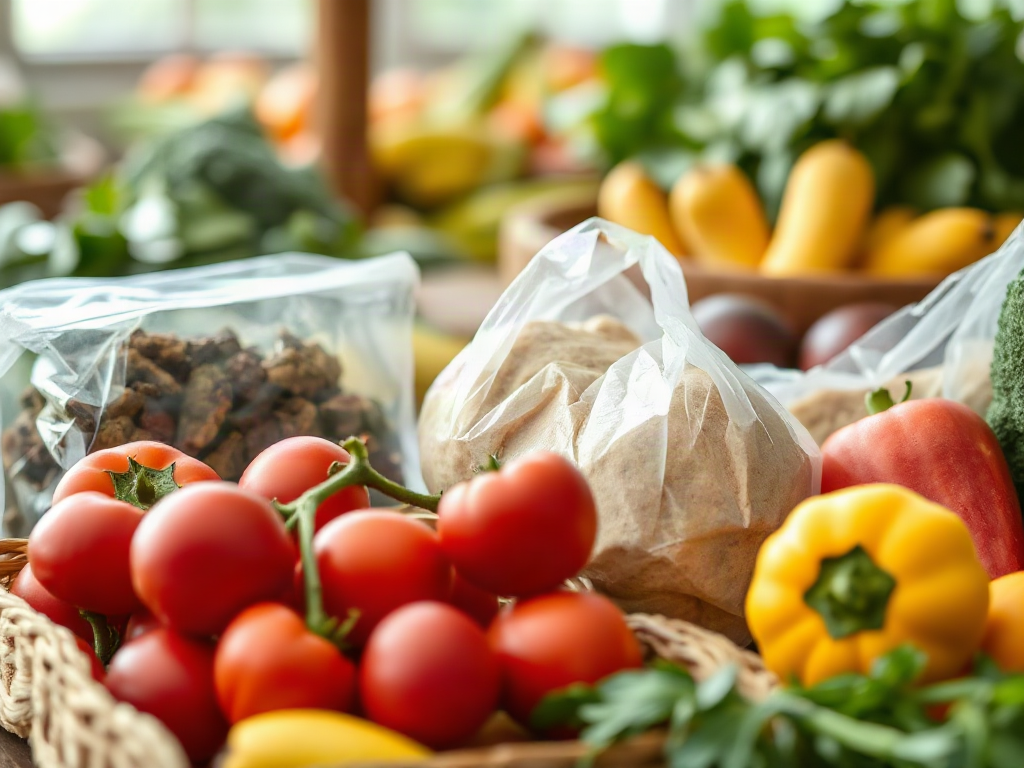
Organic certification versus local growing methods nutritionally comes down to different advantages: certification addresses approved production inputs, while local growing may improve harvest freshness, seasonal suitability, and food access. Nutrient levels depend heavily on crop variety, soil conditions, maturity at harvest, weather, storage, and cooking, so neither label reliably guarantees greater nutrient density. A recently picked local tomato may retain more delicate compounds than one stored for a long period, while certified organic farming may reduce exposure to certain permitted inputs without making the food nutritionally superior. Compare the actual farm practices, harvest timing, storage history, and overall diet rather than treating organic or local status as a nutrient ranking.
What Organic Certification and Local Growing Actually Measure
Organic certification and local production describe different features of a food, so they should not be treated as competing nutrition grades. Certification generally verifies that a farm or processor follows defined production, handling, and recordkeeping requirements. Local growing describes distance, geography, or a relationship between the grower and buyer; it does not by itself establish how the crop was fertilized, treated, harvested, or stored.
That distinction matters when shoppers use a label as a shortcut for nutrient density. A certified organic apple and a nearby conventionally grown apple may have broadly similar major nutrients, while their differences in variety, ripeness, storage, and growing conditions may be more relevant to flavor and some nutrient compounds. A local farm may use careful soil-building practices, but “local” alone does not confirm those methods. Conversely, a certified organic product may travel from a distant region and spend more time in distribution.
Certification can still matter for reasons that are not strictly nutritional. Some shoppers value restrictions on particular synthetic inputs, formal inspection, or documented production practices. Those preferences are legitimate, but they should not be converted into a promise that every certified item contains more vitamins or minerals. The nutritional comparison between organic certification and local growing becomes clearer when each claim is kept within its actual scope.
A common mistake is assuming that a farmer who sells directly is automatically organic, or that an organic label tells the entire story of freshness. Ask the grower about harvest date, crop variety, soil management, and storage. When buying packaged goods, read the ingredient list and nutrition panel as well as the production claim. The label can guide a decision, but it cannot replace information about the food itself.
Why Freshness and Farm Conditions Affect Nutrients
Harvest timing and post-harvest handling can influence the nutrients and plant compounds a person actually receives. Produce that ripens on the plant may develop different levels of flavor compounds and pigments than produce harvested early for transport. Heat, light, oxygen, moisture loss, and prolonged storage can alter sensitive compounds, although the direction and size of change depend on the crop and storage conditions.
Local growing may offer a freshness advantage when food moves quickly from field to market. A farmers market tomato picked near full ripeness may be eaten within days, whereas a distant tomato selected for durability may spend longer in cooling, transport, and retail storage. That does not mean every local tomato is more nutritious. A local crop picked immature, held warm, or left unsold can lose quality faster than well-managed transported produce.
Growing conditions also affect composition. Soil fertility, water availability, sunlight, temperature, cultivar, and pest pressure can influence minerals, sugars, carotenoids, polyphenols, and other compounds. Organic and nonorganic systems both vary widely in these conditions. A certified organic crop grown under stress is not automatically nutritionally better than a nearby crop grown in fertile soil and sold promptly.
Preparation adds another layer. Boiling can move some water-soluble nutrients into cooking water, while steaming may limit that loss. Chopping and prolonged exposure to air can affect certain sensitive compounds. Eating a mixture of raw and cooked foods, using cooking liquids in soups, and storing delicate produce properly often produces a more meaningful nutritional improvement than switching between two labels.
Weak reasoning commonly isolates one measurement, such as antioxidant activity, and presents it as a complete verdict. Human nutrition depends on the whole food, serving pattern, absorption, and dietary context. For a useful comparison, note the crop, cultivar, harvest timing, storage history, preparation method, and the nutrient you care about rather than asking whether one production category is universally superior.
Comparing Real-World Food Choices
The better choice depends on the food and the reason for buying it. Leafy greens, berries, tomatoes, apples, beans, oats, and frozen vegetables each face different storage and processing conditions. A nearby seasonal green may reach the table quickly, while frozen peas or spinach may be processed soon after harvest and remain practical for months. Certification status does not settle that comparison by itself.
Consider a shopper choosing between certified organic spinach from a distant supplier and local spinach harvested the previous day. The local product may have a shorter storage history and stronger appeal for freshness, but the certified option may be more affordable or available consistently. If the local bunch is too expensive to purchase regularly, the certified or conventional alternative may support a better overall intake because it makes leafy greens easier to eat several times each week.
A similar issue appears with fruit. Local berries in season may be flavorful and easy to eat without added sugar, but frozen berries can provide dependable access when local supply ends. For vegetables, canned tomatoes, dried beans, frozen broccoli, and stored root crops may contribute valuable fiber, potassium, folate, vitamin C, carotenoids, or plant protein even when they are not locally harvested that day. Processing can change some nutrients while making other foods more convenient and less waste-prone.
Use the food comparison rather than the label alone to ask four practical questions:
- Will this item be eaten soon, or is it likely to spoil?
- Does the form provide a nutrient or food category missing from current meals?
- Can the price support repeated purchase rather than a one-time choice?
- What does the grower, package, or retailer actually disclose about handling and production?
The frequent failure mode is turning a preference into an absolute rule. Local food is not automatically minimally treated, and organic food is not automatically fresh. A mixed shopping pattern may be more nutritionally useful: buy seasonal local produce when quality and price are favorable, then use certified, conventional, frozen, dried, or canned options to maintain variety across the year.
A Practical Buying Framework for Nutritional Value
A nutrition-focused decision can begin with the meal rather than the marketing term. First identify what the meal needs: a leafy vegetable, a source of protein, fruit, whole grains, legumes, or a specific micronutrient. Then compare available versions by freshness, condition, price, and likely use. This prevents a narrow label comparison from displacing a more important dietary gap.
For fresh produce, inspect firmness, color appropriate to the crop, bruising, wilting, mold, and signs of moisture damage. Ask a local grower when the item was harvested and how it was cooled or stored. For certified products, confirm the certification claim on the package and distinguish the production label from unrelated words such as “natural,” “farm,” or “chemical-free,” which may not communicate the same thing.
Storage should match the food. Delicate greens usually benefit from prompt refrigeration and gentle handling. Berries should be checked for damaged fruit and washed close to eating when appropriate. Root vegetables and winter squash may tolerate longer storage, making local purchasing more practical even outside the harvest week. Frozen vegetables can be useful when fresh products are costly or deteriorate before the household uses them.
A compact priority order works well:
- Choose a diverse food that fills a meal or nutrient gap.
- Favor good condition and a realistic use-by plan.
- Compare harvest freshness, processing, and storage rather than assuming a label predicts nutrient content.
- Use certification or direct farm information to match personal production preferences.
- Protect the food’s value through sensible storage and preparation.
Signs that the approach is working include less spoilage, more varied meals, regular inclusion of legumes and vegetables, and a budget that remains sustainable. Signs it is failing include buying premium items that are discarded, avoiding frozen foods without a reason, or spending so much on labels that protein, whole grains, or total produce intake declines. The nutrition decision process should serve the eating pattern, not the other way around.
Safety, Budget, and Dietary Priorities
Food safety and dietary adequacy should outrank a presumed nutrient advantage. Local direct sales can create useful communication with growers, but informal purchasing does not remove the need for clean handling, refrigeration, and safe preparation. Certified status also does not make raw produce risk-free. Wash produce under running water when appropriate, separate it from raw animal foods, refrigerate perishable items, and follow package directions for ready-to-eat products.
Budget changes the nutritional calculation. If certified organic vegetables cost substantially more, buying smaller amounts that spoil may provide less practical nourishment than purchasing a larger quantity of well-kept conventional or frozen vegetables. A local farm share may offer excellent seasonal value for a household that cooks frequently, but it can create waste when the delivery exceeds the household’s capacity. Choose the arrangement that supports consistent consumption.
People with a medically prescribed diet or a diagnosed condition should not use organic or local status as a substitute for individualized nutrition advice. Neither category guarantees a particular mineral level, lower allergen risk, or therapeutic effect. Nutrition panels, ingredient lists, preparation methods, and advice from a qualified clinician may matter more for those needs.
Another misconception is that local and organic practices are opposites. A nearby farm may be certified organic; a distant farm may use regenerative or careful soil practices without carrying organic certification. Ask precise questions when the information matters: Which inputs are used? How is soil fertility maintained? When is the crop harvested? How long is it stored? What does the certification cover? Those answers support a more honest comparison than broad assumptions about geography or labels.
Frequently Asked Questions
Is local produce always more nutritious than certified organic produce?
No. Freshness may favor a recently harvested local item, but variety, maturity, storage, preparation, and soil conditions also affect nutrient content.
Does organic certification guarantee higher vitamin and mineral levels?
No. Certification verifies defined production standards, not a universal ranking of vitamin, mineral, or antioxidant content.
Can local farms use conventional growing methods?
Yes. Local describes proximity or a regional supply relationship, not a specific input system. Ask the grower about fertilizers, pest controls, and handling.
Are frozen vegetables a reasonable alternative to local or organic fresh produce?
Yes. Frozen vegetables can be nutritious and practical, especially when they reduce spoilage or make vegetables available outside the local season.
What should matter most when choosing between organic and local foods?
Prioritize variety, freshness, safe handling, affordability, and regular consumption, then use certification or farm practices to reflect personal preferences.
Conclusion
Organic certification and local growing answer different questions, so neither should be used as a universal nutrition winner. Certification can help shoppers identify documented production standards, while local purchasing may offer shorter supply chains, seasonal freshness, and direct information from a grower. Nutritional value still depends on the crop, cultivar, maturity, storage, preparation, and whether the food is eaten consistently.
For a sound decision, compare the actual item in front of you: its condition, harvest or processing history, price, and role in the meal. Buy local when freshness, quality, and cost make it practical; choose certified organic when its production standards align with your priorities; and use frozen, canned, dried, or conventional options when they improve variety and reduce waste. A diverse diet that fits the household will usually matter more than assigning superior nutrition to a single label.