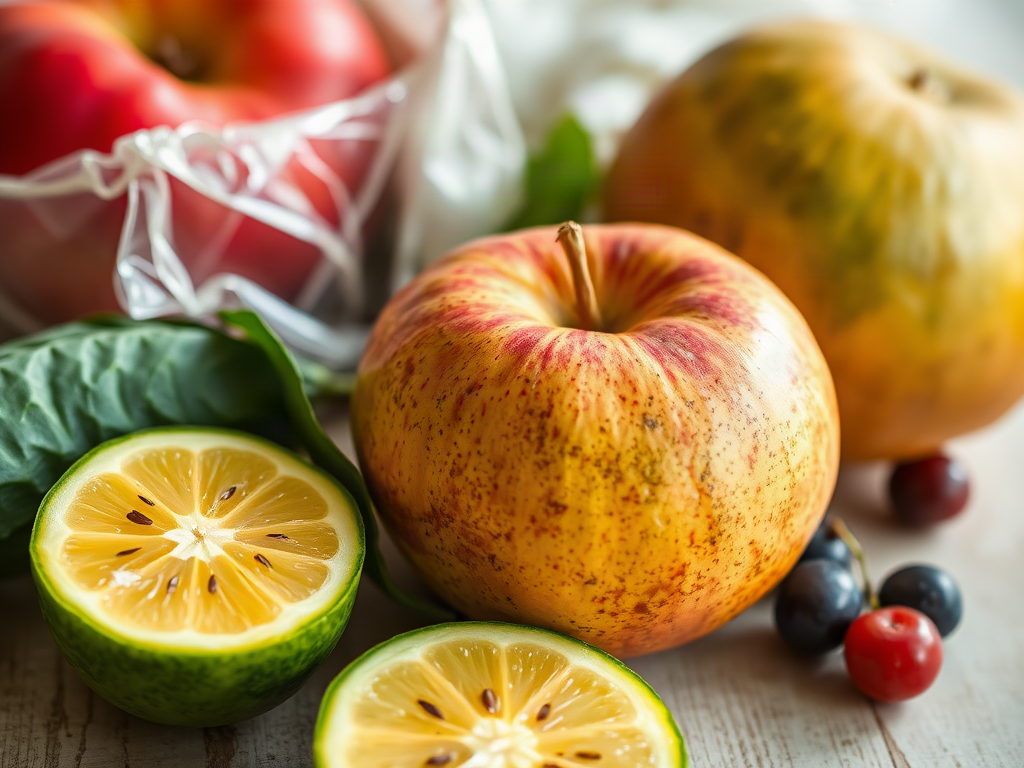
Fruit ethylene exposure and premature spoilage are linked because ripening fruit releases ethylene gas that can accelerate softening, color change, flavor loss, and decay in nearby sensitive produce. Apples, bananas, pears, avocados, peaches, and tomatoes can act as strong ethylene sources, while berries, leafy greens, cucumbers, and carrots may deteriorate faster when confined with them. Separate high-ethylene producers from sensitive items, refrigerate suitable ripe fruit, use breathable storage, and remove damaged pieces promptly. A sealed container can intensify exposure, whereas cold temperatures slow ethylene-driven ripening without stopping it completely. Check texture, odor, moisture, and visible mold rather than relying only on a printed date.
How Ethylene Speeds Ripening and Spoilage
Ethylene is a naturally occurring plant hormone released as a gas by many fruits during ripening. It signals changes in cell walls, starches, pigments, aromas, and acidity. Those changes can be desirable when a firm pear becomes ready to eat, but they become a storage problem when ripe fruit sits beside produce that has a short shelf life.
Ethylene does not create mold by itself. Instead, it can move fruit toward a softer, more mature state in which bruises, moisture damage, and existing microorganisms become more consequential. A peach exposed to additional ethylene may soften quickly; once its skin is damaged, decay can progress even faster. The same chain of events explains why a bowl containing ripe bananas and delicate berries often develops a spoiled item sooner than separate containers would.
Temperature, ventilation, maturity, and physical damage determine how strong the effect becomes. Warm conditions generally speed ripening, while refrigeration slows many ethylene responses. A tightly closed produce drawer may retain more gas than an open, ventilated area, although uncontrolled airflow is not automatically ideal because it can dry leafy items. The useful goal is not to eliminate ethylene, which is unrealistic, but to prevent concentrated exposure where it offers no storage benefit.
A common mistake is treating every softening fruit as proof of ethylene damage. Natural ripening, bruising, excess moisture, fungal growth, and temperature abuse can overlap. Ethylene management is most useful when several items are ripening at different rates and the reader can control their proximity. It is less useful as an explanation for produce already showing spreading mold or liquid leakage, where removal and sanitation deserve priority.
For a broader look at fruit ethylene exposure and premature spoilage, connect the gas-producing source with the sensitive item, the container, and the temperature. That combination gives a more reliable explanation than blaming one fruit in isolation.
Which Foods Release or Absorb Ethylene
Ethylene-producing foods commonly include apples, bananas, pears, avocados, peaches, nectarines, plums, kiwifruit, mangoes, and tomatoes. Some produce releases more as it ripens or becomes damaged. A firm avocado placed near ripe bananas may soften sooner, which can be useful when planned, while a fully ripe avocado beside delicate greens may contribute to unwanted deterioration.
Ethylene-sensitive foods include many leafy greens, broccoli, cabbage, carrots, cucumbers, green beans, peppers, asparagus, berries, and some herbs. Sensitivity varies by item and condition. Berries are particularly vulnerable to moisture and mold, so ethylene separation cannot compensate for wet fruit, poor airflow, or a damaged berry hidden at the bottom of a container. Carrots may develop quality defects near ethylene-producing fruit, while leafy greens may yellow or lose freshness.
The practical distinction is between intentional ripening and preservation. If a hard pear needs to soften, placing it with a ripe banana in a loosely covered paper bag can concentrate ethylene for a limited period. That is different from storing ripe pears, bananas, and greens together for several days. Once the desired texture is reached, move the fruit to a cooler or separate location and inspect it regularly.
Produce labels can mislead shoppers because “keep refrigerated” recommendations differ by item and by stage of ripeness. Bananas may suffer quality loss when chilled before they are ready, whereas berries and many leafy vegetables generally benefit from prompt refrigeration. A single refrigerator drawer is not a universal solution; it may reduce temperature but still allow ethylene sources and sensitive foods to share confined air.
Use a simple pairing check before storage:
- Ripening sources: keep ripe apples, bananas, pears, stone fruit, avocados, and tomatoes apart from fragile produce when possible.
- Moisture-sensitive foods: give berries, herbs, and greens dry, ventilated storage rather than a crowded sealed bag.
- Items intended to ripen: group only the fruit that needs softening, then separate it when the texture is right.
The weak assumption is that an ethylene absorber or special bag makes placement irrelevant. Packaging can reduce exposure in some situations, but it cannot repair bruising, wash away mold, or correct excessive warmth. Arrangement and condition should come first; accessories are secondary.
Storage Moves That Reduce Premature Deterioration
Separating ripe ethylene producers from sensitive produce is the highest-value storage adjustment. Place apples and ripe stone fruit away from greens, berries, cucumbers, and carrots. If refrigerator drawers are available, use separate compartments according to the appliance’s airflow and humidity design rather than packing everything into one drawer.
Keep produce dry on the surface unless washing is part of an immediate preparation routine. Water trapped in a sealed container can create a humid environment that encourages mold and soft rot, while wet leaves pressed together lose quality quickly. Dry paper towels or a ventilated container may help manage condensation, but they need changing when damp. A sealed container can protect some foods from dehydration, yet it can also retain ethylene, condensation, and odors.
Inspect incoming groceries before combining them with older items. A bruised apple, split peach, leaking berry, or overripe banana can become the fastest-moving source of trouble. Remove the damaged piece, wipe any juice from the storage surface, and avoid placing fresh produce against residue. This practice addresses both ethylene release from injury and the separate risk that decay organisms will spread through contact.
Temperature decisions should match the food rather than follow a blanket rule. Refrigeration can slow ripening and extend the usable window for many fruits after they reach the desired maturity. It may also affect texture or aroma in some fruits, so room-temperature ripening followed by cooler storage can be a sensible compromise. Tomatoes, for example, are often kept at room temperature for eating quality, while cut tomatoes require prompt refrigeration and clean handling.
A practical storage sequence is:
- Sort by ripeness and remove visibly damaged items.
- Separate strong ethylene producers from sensitive foods.
- Dry produce surfaces and choose ventilation appropriate to the item.
- Use refrigeration when it suits the produce and its desired eating stage.
- Recheck the storage area after a day or two for condensation, odor, soft spots, or mold.
Do not expect separation to reverse established spoilage. It may slow avoidable exposure, but a berry container with widespread fuzzy growth should be discarded rather than rescued by moving it away from bananas. When storage space is limited, protecting the most fragile foods and consuming ripe producers first usually gives a better result than trying to isolate every item perfectly.
How to Inspect and Prioritize Vulnerable Produce
Inspection should combine appearance, texture, smell, and storage history. A slightly softened fruit may simply be ripe, while watery leakage, collapsing tissue, an off odor, or spreading mold indicates deterioration. Ethylene-related quality loss often appears first as accelerated softening, yellowing, or loss of firmness, but those signs do not prove that ethylene was the only cause.
Prioritize foods by perishability and current condition. Delicate berries, cut fruit, fresh herbs, and leafy greens deserve attention before intact apples or firm citrus. A ripe peach with one small bruise should be used soon or trimmed appropriately if no spoilage is present; a moldy soft fruit should not be treated as an ordinary bruised item. When uncertain, avoid tasting questionable produce to test it, particularly if mold or an unusual odor is present.
Consider two storage scenarios. In a busy household, ripe bananas may remain on the counter beside a fruit bowl containing apples and peaches. Moving the bananas to a separate location and checking the peaches daily may protect the items with the shortest remaining window. In a small refrigerator, separating berries from ripe fruit and keeping them dry may matter more than purchasing an ethylene-control product. The best intervention depends on which item is failing first.
Track what changes after an adjustment. If sensitive foods remain firm or dry for longer and fewer containers develop odor or leakage, separation and moisture control are probably addressing the main problem. If spoilage continues despite better placement, investigate bruising, washing practices, refrigerator temperature, damaged packaging, or produce that was already old when purchased.
For households that buy in bulk, divide fruit by expected use. Keep a portion at the ripening stage needed for the next meal and store the remainder under suitable cooler conditions when appropriate. That approach reduces the number of ripe producers sharing air with foods intended to last. More packaging is not automatically better: unnecessary wrapping can hide damaged pieces and trap condensation, making inspection harder.
Use fruit ethylene exposure and premature spoilage as a troubleshooting clue, not a universal diagnosis. The most reliable response combines separation with clean handling, appropriate temperature, dry surfaces, and prompt use of ripe items.
Frequently Asked Questions
Can ripe bananas make other fruit spoil faster?
They can accelerate ripening in nearby sensitive or climacteric fruit by releasing ethylene, especially in warm or enclosed storage. Separation may slow the process.
Should all fruit be stored in the refrigerator?
No. Refrigeration suits many ripe fruits and delicate items, but some fruit is best ripened at room temperature and chilled afterward. Storage needs vary by food and maturity.
Does ethylene cause mold?
Ethylene does not directly create mold. It can speed ripening and softening, leaving damaged or moist produce more vulnerable to decay.
Do ethylene-absorbing products prevent spoilage?
They may reduce gas concentration in some enclosed settings, but they cannot replace separation, dry storage, suitable temperature, or removal of damaged produce.
What should be discarded immediately?
Discard soft produce with spreading mold, leakage, strong off odors, or extensive collapse. Do not rely on moving it away from other foods to make it safe.
Conclusion
Managing ethylene exposure works best as a storage routine rather than a single-product fix. Sort fruit by ripeness, keep strong producers away from fragile greens and berries, control condensation, and use refrigeration according to the food’s maturity and quality needs. Check bruised or leaking items early because physical damage can turn accelerated ripening into visible decay. When space is limited, protect the most perishable foods first and consume ripe producers before they soften further. Separation will not rescue produce that already has spreading mold or an off odor, but it can reduce avoidable ripening pressure and make spoilage easier to spot. A short inspection every day or two often provides more benefit than tightly packing every item into one container.