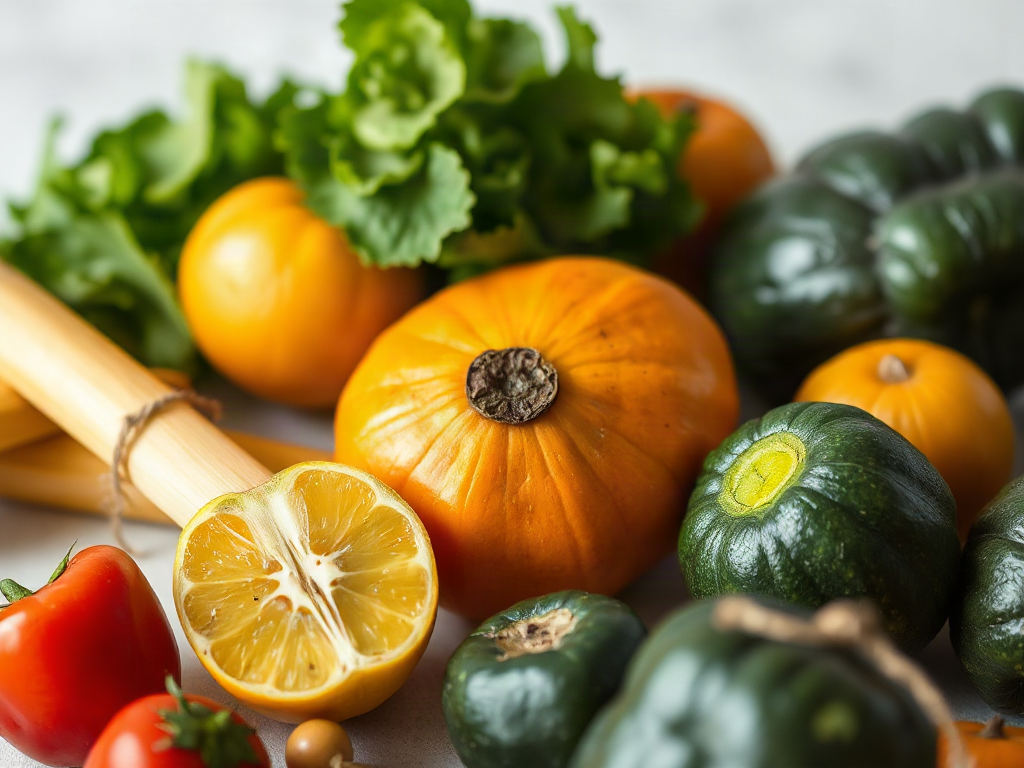
Firm produce can sometimes be trimmed after a small surface mold spot, but only when the item is dense, intact, and free of softening, slime, odor, or widespread growth. Cut away at least 1 inch around and below the visible mold with a clean knife, keeping the blade out of the mold before finishing the cut, then discard the affected section. This approach may suit firm apples, carrots, cabbage, and hard cheeses, but not soft fruit, cooked foods, sliced produce, or anything moldy near a bruise or cut. When uncertainty remains, discard the item because hidden growth and contamination are difficult to judge by appearance alone.
Why Firmness Changes the Mold Decision
Firm, dense produce gives a visible mold spot less opportunity to travel through the food than soft, watery produce. Mold is not limited to the colored patch on the surface; it can send fine growth below the visible area, especially where tissue has been bruised, cut, or softened. Density, moisture, and the condition of the surrounding flesh therefore matter more than the size of the spot alone.
A small patch on an uncut carrot is a different situation from mold on a ripe peach. A carrot’s compact structure may allow the affected portion to be removed with a generous margin. A peach’s soft flesh can permit contamination to spread beyond what the eye detects, even when the visible patch looks modest. The same distinction applies to a whole head of cabbage compared with chopped cabbage stored in a container.
Smell and texture provide useful warning signs, but they do not prove that an item is safe. Discard firm produce when it is slimy, leaking, deeply bruised, unusually soft, or covered by multiple mold areas. A sour or musty odor is another reason not to attempt rescue. Trimming is a limited option for intact, dense foods, not a way to salvage produce that is already breaking down.
A common mistake is scraping only the colored surface and treating the remaining food as untouched. That shallow approach can drag mold across the knife and nearby flesh. Readers comparing when firm produce can be trimmed after mold should prioritize the food’s structure and condition first, then decide whether a deep cut is practical.
Produce That May Be Trimmed Safely
Whole, firm items such as carrots, parsnips, turnips, rutabagas, cabbage, and bell peppers may be candidates for trimming when mold is confined to a small surface area. Hard apples can sometimes qualify if the mold is on an intact outer surface and the flesh remains crisp. The goal is to remove the contaminated region with enough surrounding food that no questionable tissue remains.
Dense foods are not automatically safe to rescue. A carrot with a dry spot near the top may be manageable, while a carrot that bends, leaks, or has mold around a cracked end should be discarded. A cabbage with one isolated outer-leaf patch can often be evaluated by removing several leaves and inspecting the inner layers. Mold extending between layers, accompanied by wetness or odor, changes the decision.
Hard cheese is often discussed alongside firm produce because its dense structure can permit trimming. That does not mean soft cheese, shredded cheese, cream cheese, or moist prepared foods should be treated the same way. Likewise, a firm melon may look dense outside but contain moist flesh and internal cavities; mold at a damaged area makes disposal the safer choice.
Use a simple priority order: identify whether the food is whole, check whether the tissue is dense and dry, inspect for damage or softening, and then look at how far the mold extends. A mistake is relying on a generic list of “safe” foods while ignoring storage conditions. Produce held warm, wet, or pressed against other spoiled items deserves a more cautious assessment. For related decision-making, the phrase when firm produce can be trimmed after mold is most useful when paired with a texture and damage check rather than a color check alone.
The Correct Cutting Method
Safe trimming begins with separating the questionable item from other food and preparing a clean cutting surface. Do not sniff the mold closely, taste the affected area, or rinse mold away and assume the problem is solved. Water may remove surface residue without addressing growth beneath the surface, and cutting a contaminated item beside ready-to-eat food can spread material through the workspace.
Use a clean, sturdy knife and cut at least 1 inch around and below the visible mold on suitable dense food. Make the cut decisively rather than sawing back and forth through the spot. Keep the knife from touching the mold before entering the clean portion when possible. Remove the entire affected section, including nearby bruised or softened tissue, because damage can provide a route for deeper growth.
For a cabbage, removing the affected outer leaves may be more appropriate than carving a small cube from the head. For a carrot or apple, cutting off a broad section around the spot is easier to judge. Place the removed portion directly into a bag or bin, then wash the knife, board, hands, and any surface that contacted the item with hot soapy water. Cleaning is part of the method because the remaining food is not the only potential contamination point.
- Before cutting: isolate the item and check for softness, leaking, odor, and deep damage.
- During cutting: remove a generous margin and avoid dragging the blade through mold.
- After cutting: discard the affected section, clean equipment, and refrigerate the remaining food promptly if it is still sound.
The cutting method has limits. It cannot confirm that microscopic growth is absent, and it is not a repair for food that has been stored too long or repeatedly exposed to moisture. If the cut reveals discoloration, tunnels, wet tissue, or an odor inside the food, stop trimming and discard the item. The practical success signal is clean, firm, normally colored flesh beyond the removed area; continued softening is a failure signal.
When Trimming Is Not Enough
Soft, porous, sliced, grated, cooked, or highly moist foods should generally be discarded when mold appears. Examples include berries, peaches, tomatoes, cucumbers, grapes, cooked vegetables, jam, yogurt, soft cheese, and leftovers. Their moisture and structure allow mold and associated contamination to move beyond the visible colony, while adjacent pieces may have contacted the same liquid or container.
A sliced apple or cut pepper is not equivalent to an intact one. Once the interior is exposed, juices and knife contact create more routes for spread. A container of chopped vegetables also deserves a different decision from a whole vegetable because pieces touch one another and cannot be individually inspected with confidence.
Discarding is particularly prudent when food is intended for a young child, an older adult, a pregnant person, or someone with a weakened immune system. That advice is not a diagnosis or a guarantee of harm; it reflects the difficulty of judging unseen contamination and the avoidable nature of the risk. Saving a small amount of food is rarely worth extending uncertainty to a vulnerable eater.
Do not use cooking, toasting, or blending as a rescue strategy. Heat may change texture and flavor, but it does not make every mold-related hazard predictable, and blending distributes questionable material through the entire batch. A common misconception is that removing a moldy top from sauce or a dip protects the portion underneath. In moist foods, the safer choice is to discard the container rather than transfer the contents to another recipe.
Kitchen Handling After Mold Is Found
Mold often appears because produce was held with excess moisture, damaged during transport, or stored beside an item already decomposing. After removing or discarding the affected food, inspect neighboring items for wet surfaces, collapsed tissue, and mold at contact points. A dry, intact item may remain usable, but anything sharing visible liquid or showing early breakdown should be evaluated separately.
Storage changes reduce repeat problems more effectively than repeatedly trimming spots. Refrigerate produce that requires chilling, allow appropriate airflow rather than sealing wet items in airtight containers, and dry washed produce before storage when practical. Keep delicate items from being crushed beneath dense vegetables. A bruised apple or pepper can deteriorate faster at the damaged area, so using it soon may be wiser than storing it for another week.
Record what happened in practical terms: whether the item was whole or cut, where moisture collected, and whether another piece was leaking nearby. That observation can reveal a storage failure, such as a damp produce drawer or a container that trapped condensation. The solution may be as simple as replacing a wet towel, improving ventilation, or separating foods with different moisture needs.
When the decision remains uncertain, disposal is the clearest endpoint. Do not keep a questionable item in the refrigerator hoping its condition will stabilize. Food that is firm today may soften overnight, and mold can become harder to isolate once it spreads. The most useful application of when firm produce can be trimmed after mold is knowing when not to trim: visible spread, moisture, damage, or an unexplained odor outweighs the desire to avoid waste.
Frequently Asked Questions
Can a moldy carrot be trimmed?
Possibly, if it is whole, firm, and affected in one small area. Remove at least 1 inch around and below the mold, but discard it if the carrot is soft, wet, cracked, or foul-smelling.
Is it safe to cut mold off an apple?
A crisp, intact apple with a small surface spot may be trimmed generously. Discard it if the mold is near a bruise, puncture, soft area, or internal discoloration.
Does washing remove mold from produce?
Washing can remove some surface residue but does not reliably address growth below the surface. It should not replace deep trimming for suitable dense foods or disposal for soft foods.
Can moldy cabbage be saved?
Remove affected outer leaves only when the inner head remains firm, dry, and normal-smelling. Discard the head if mold extends between layers or the leaves are slimy.
Should moldy sliced vegetables be discarded?
Yes, disposal is generally safer because cutting exposes moist surfaces and allows spread between pieces. Blending or cooking them does not make the contamination reliably predictable.
Conclusion
Trimming can be reasonable for a whole, dense item with one small mold spot and no signs of decay beyond it. The decision should turn on structure, moisture, damage, and odor—not on the visible patch alone. Remove at least 1 inch around and below the affected area, keep the knife from spreading mold, and clean the preparation surface afterward. Soft, sliced, wet, cooked, or widely affected foods belong in the discard category, as do items with slime, leaks, deep bruising, or internal discoloration. Inspect neighboring produce and correct damp storage so the same problem does not continue. When the food’s condition is ambiguous, throwing it away is the more dependable safety choice.