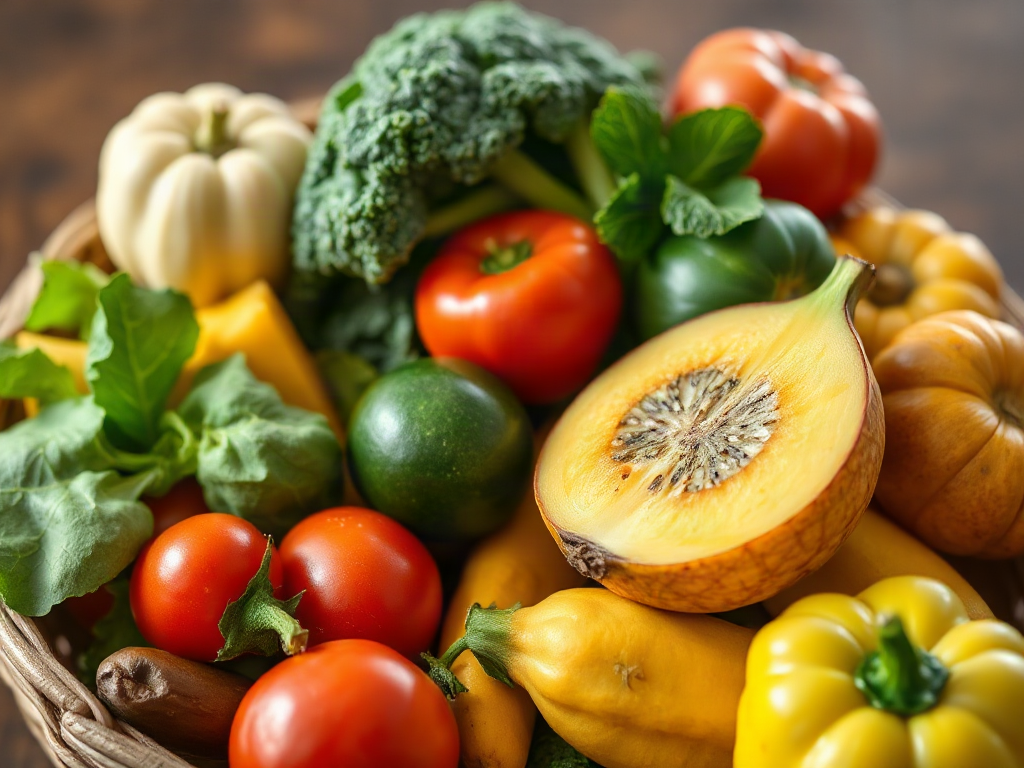
Produce potassium considerations with kidney disease center on matching fruit and vegetable choices, serving sizes, and preparation methods to kidney function, blood potassium results, medications, and dialysis status. High-potassium produce is not automatically forbidden, while low-potassium choices are not automatically unlimited because portion size and repeated servings affect intake. A clinician or renal dietitian can help set an individualized daily target and identify whether techniques such as boiling and draining are appropriate. Avoid relying on internet food lists alone, and check packaged produce drinks, salt substitutes, and large smoothies because they can concentrate potassium or add potassium-based ingredients.
Why Potassium Advice Changes With Kidney Disease
Kidneys help remove excess potassium from the bloodstream, so reduced kidney function can make potassium balance less predictable. Some people with chronic kidney disease have normal blood potassium and do not need a blanket restriction on fruits and vegetables. Others may develop elevated potassium because of reduced filtration, dialysis timing, diabetes, medications, metabolic changes, or a combination of these factors. The useful question is not whether produce is categorically good or bad; it is how a specific eating pattern fits current laboratory results and medical advice.
Blood potassium is a clinical measurement, not a reliable sensation. Mildly abnormal levels may produce no obvious symptoms, while more severe changes can affect heart rhythm and require urgent medical attention. That makes self-directed extreme restriction risky. Removing tomatoes, potatoes, beans, oranges, leafy greens, and other nutrient-dense foods without a replacement plan may reduce fiber, vitamin intake, and overall diet quality. At the opposite extreme, assuming that all fresh produce is harmless can lead to large portions, concentrated smoothies, or frequent servings that exceed an individualized plan.
Medications and substitutes deserve particular attention. Some blood-pressure medicines, potassium-sparing diuretics, and other treatments may raise potassium, while certain diuretics may lower it. Potassium chloride salt substitutes can add substantial potassium even when a meal contains little produce. A reader comparing a fresh peach with a large glass of juice should also consider concentration: juice removes much of the fruit’s structure and makes several servings easy to consume quickly.
Use produce potassium considerations with kidney disease as a planning question rather than a permanent food blacklist. The most useful starting information is a recent potassium result, the clinician’s target or restriction, medication changes, dialysis schedule if applicable, and the portions normally eaten. If those details are missing, a generic food chart cannot safely determine an individual’s limit.
Choosing Fruit and Vegetables by Portion and Pattern
Portion size often matters as much as the food’s category. A lower-potassium fruit can still contribute a meaningful amount when eaten repeatedly throughout the day, while a small portion of a higher-potassium food may fit a tailored plan. Food databases and renal diet handouts may place produce into different potassium ranges, but serving definitions vary. A “serving” may mean one small piece, one-half cup, or another stated quantity, so comparing foods requires reading the portion rather than relying on the label alone.
Examples commonly discussed as lower-potassium choices include apples, berries, grapes, peaches, pineapple, cabbage, cauliflower, cucumber, onions, peppers, and lettuce, although preparation and portion still matter. Higher-potassium examples may include bananas, oranges and their juice, avocados, dried fruit, potatoes, tomatoes, winter squash, spinach, and legumes. These categories are useful for spotting patterns, not for replacing personal medical guidance. A person with normal potassium may be encouraged to include many of these foods, while someone with repeated hyperkalemia may need portions, frequency, or preparation adjusted.
Whole produce generally offers more structure and fiber than juice, dried fruit, or blended drinks. That does not make every whole-food portion unlimited. Dried apricots or raisins contain potassium in a compact volume, and a smoothie can combine banana, greens, milk or a milk alternative, and several servings of fruit before the drink feels substantial. For someone tracking potassium, a measured serving of whole fruit may be easier to assess than a large blended beverage.
A practical meal comparison shows the tradeoff. A plate containing a small portion of rice, grilled chicken, lettuce, cucumber, and a measured serving of berries may be easier to adjust than a meal built around a large baked potato, tomato sauce, avocado, and a fruit smoothie. The first meal is not automatically right for everyone, and the second is not automatically prohibited. The difference is that concentrated or stacked sources make the total harder to estimate.
When planning, record the produce actually eaten for several days rather than relying on memory. Note whether potassium-rich foods appear in one meal, across every meal, or mainly as snacks and drinks. Share that pattern with a renal dietitian, who can help preserve variety while changing portions or substitutions. For additional context, see produce potassium considerations with kidney disease alongside current clinical advice, especially after a medication change or unexpected laboratory result.
Preparation Methods That May Reduce Potassium
Boiling certain vegetables in ample water and discarding the cooking water can remove some potassium because potassium is water-soluble. This method is often called leaching, and it may be used for foods such as potatoes or selected vegetables when a renal professional recommends it. It is not a universal solution: the amount removed depends on the food, cut size, water volume, cooking time, and whether the cooking liquid is consumed. Roasting, baking, steaming, and microwaving generally do not provide the same potassium-removal effect because the food retains its moisture rather than transferring minerals into discarded water.
Potatoes illustrate the practical compromise. Peeling, cutting into smaller pieces, soaking or boiling, and discarding the water may lower potassium compared with serving a large baked potato intact, but the process can affect texture and may remove some water-soluble nutrients. A large portion can still matter after preparation. Boiling potatoes and then adding them to soup with the cooking water defeats much of the intended reduction because the dissolved potassium returns to the dish.
Canned vegetables may contain less potassium after draining and rinsing, depending on the product and original processing, but labels and serving sizes still need review. Some canned foods contain added sauces or potassium-based ingredients. Frozen vegetables are not automatically high or low; the specific item and portion determine the calculation. “Fresh,” “organic,” and “natural” describe sourcing or marketing characteristics, not potassium content.
Preparation should not become an excuse to remove all vegetables. If boiling and draining makes meals unappealing, a dietitian may be able to suggest smaller portions of other vegetables, a different cooking method, or a meal pattern that spreads produce more predictably. The common mistake is treating a preparation technique as permission to eat unlimited servings. The better approach is to use it as one tool within a measured plan, then watch laboratory results and dietary tolerance over time.
Salt substitutes require a separate check. Products marketed as reduced-sodium may use potassium chloride, and seasoning blends can contain it even when the package emphasizes heart health. Read the ingredient list and ask a clinician or pharmacist before using these products. The same caution applies to electrolyte beverages and nutritional powders, which may contain potassium that is easy to overlook.
A Practical Produce Decision Process
A safe produce plan begins with the current clinical context, not with a universal internet list. Before changing intake, identify whether the person has been told to restrict potassium, whether recent blood tests were abnormal, whether dialysis is involved, and whether a medication or supplement changed. Dialysis schedules can alter dietary planning, and advice for one patient may not transfer to another. A renal dietitian can also account for sodium, phosphorus, fluid limits, diabetes, appetite, and protein needs at the same time.
Use this compact checklist when reviewing a meal or shopping list:
- Check the portion: identify the measured amount rather than the food name alone.
- Check concentration: compare whole fruit with juice, dried fruit, smoothies, and vegetable drinks.
- Check the stack: look for several potassium-containing foods in the same meal or across repeated snacks.
- Check ingredients: scan salt substitutes, processed foods, supplements, and electrolyte products for potassium chloride or related additives.
- Check the plan: confirm whether boiling, draining, rinsing, or another preparation method was specifically recommended.
Signs that a plan needs review include a new abnormal potassium result, changes in kidney function, new weakness or palpitations, difficulty maintaining adequate food intake, or confusion caused by conflicting food lists. Symptoms such as chest discomfort, fainting, severe weakness, or an irregular heartbeat require prompt medical attention rather than dietary experimentation. Do not wait for symptoms to decide whether a laboratory result matters.
Another useful comparison is short-term restriction versus sustainable adjustment. A person may temporarily reduce a concentrated food while awaiting clinical guidance, but permanently avoiding broad produce groups without substitutions can create nutritional gaps and reduce meal enjoyment. Conversely, keeping a favorite food in a smaller portion may be more sustainable than replacing it with a highly processed “renal-friendly” product. The best plan is the one that meets the medical target while remaining measurable, nutritionally adequate, and realistic in the household.
Keep a simple food and symptom record, but do not interpret it as a substitute for blood testing. Potassium varies with kidney function and treatment, and day-to-day sensations cannot reliably confirm safety. Bring the record, medication list, and questions about favorite foods to the next appointment. That approach turns produce potassium considerations with kidney disease into individualized decisions instead of an unnecessarily narrow diet.
Frequently Asked Questions
Should everyone with kidney disease avoid high-potassium produce?
No. The need for restriction depends on kidney function, blood potassium, medications, dialysis, and the care plan. Avoiding foods without individualized advice may unnecessarily reduce dietary variety.
Can boiling vegetables lower their potassium?
Boiling in water and discarding that water can remove some potassium from certain foods. The effect varies, and using the cooking liquid in soup can return dissolved potassium to the meal.
Are bananas and tomatoes completely off-limits?
Not necessarily. They may need smaller portions, less frequent use, or substitution when potassium is elevated, but a clinician or renal dietitian should set the recommendation.
Are smoothies a good way to eat more produce with kidney disease?
Smoothies can concentrate several servings of fruit and vegetables into one drink. Review the ingredients, serving size, liquid base, and potassium target before making them routine.
What should I check besides fresh fruits and vegetables?
Check salt substitutes, electrolyte drinks, supplements, processed foods, dried fruit, juices, and ingredient lists for potassium-based additives. These sources are easy to overlook when estimating intake.
Conclusion
Produce choices with kidney disease should be guided by current potassium results, kidney function, medications, dialysis status, portion size, and preparation method. A broad ban on fruits and vegetables can create avoidable nutritional and practical problems, while large portions, juices, smoothies, dried fruit, and potassium-based salt substitutes can quietly increase intake. Measure portions, notice when several potassium sources are combined, and use boiling or draining only when it fits professional advice. Keep a record of usual meals and bring it to a clinician or renal dietitian after abnormal results or treatment changes. The immediate priority is not finding a perfect universal food list; it is building a varied, measurable eating pattern that matches the individual medical plan.