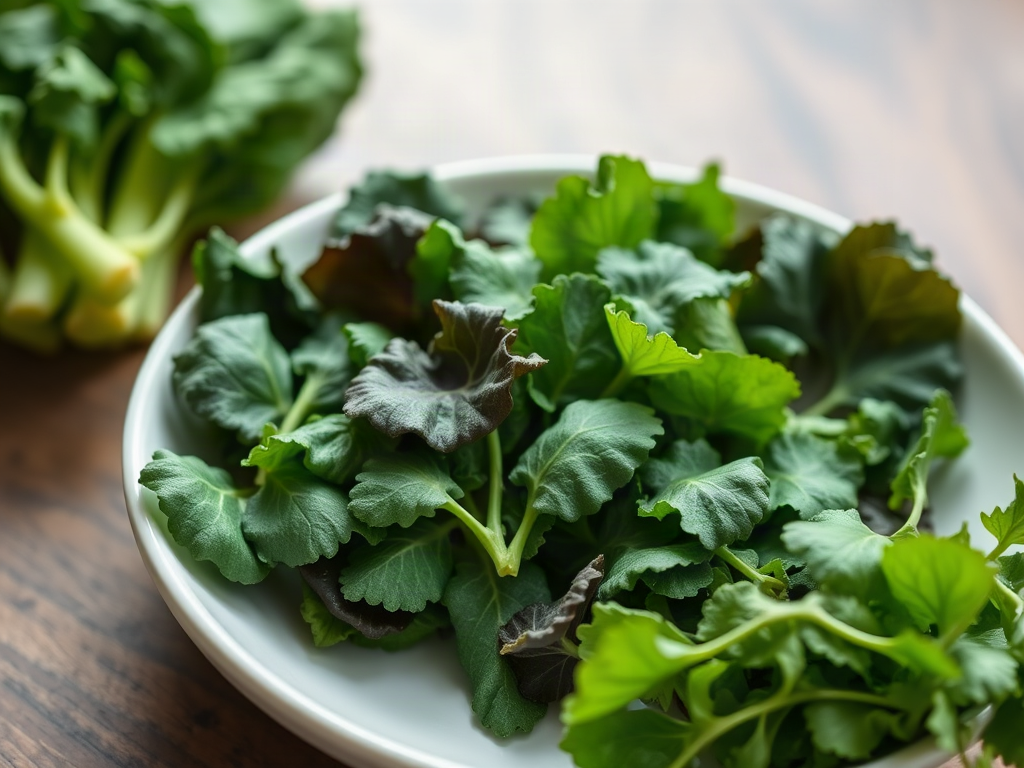
How portion size changes nitrate exposure from greens depends mainly on the amount of leafy produce eaten, the nitrate concentration of that specific green, and how often it appears in meals. A larger serving of arugula, spinach, or beet greens delivers more total nitrate than a smaller serving, even when the food itself is unchanged. Cooking can reduce nitrate in some greens when water is discarded, while steaming or eating them raw may retain more. For most healthy adults, ordinary servings of varied vegetables are generally compatible with a balanced diet, but people with specific medical concerns should ask a clinician rather than set a personal nitrate limit from general food tables.
Why Serving Size Changes Total Nitrate Intake
Serving size changes nitrate exposure because nitrate intake is the concentration in a food multiplied by the quantity eaten. A small handful of a nitrate-rich leafy green and a large salad made from the same green are not nutritionally identical in this respect: the larger portion supplies more total nitrate. The concentration may vary with growing conditions, plant variety, harvest timing, storage, and the edible part used, so a portion estimate is useful but never perfectly precise.
That relationship is easiest to see in a meal. A few leaves of arugula used as a garnish represent a much smaller nitrate contribution than a large bowl built around arugula. The same principle applies to spinach folded into pasta, beet greens served as a side, or lettuce used across several meals. Repeating moderate servings can produce a larger daily exposure than one isolated serving, even when no single plate looks unusually large.
Nitrate is a naturally occurring compound in many plants. The body can convert some nitrate to nitrite and other nitrogen-containing compounds, and the significance of that process depends on the wider dietary and health context. Food nitrate should not be treated as interchangeable with every nitrate source; leafy greens also provide folate, potassium, vitamin K, carotenoids, fiber, and water. Removing them solely because they contain nitrate can discard useful nutrients without addressing an actual personal risk.
A common mistake is to rank foods by concentration and ignore the plate. Concentration tells you how dense the compound is, while portion size tells you how much reaches the meal. For practical tracking, note whether greens are a garnish, a half-plate vegetable, or a concentrated juice. That distinction is more useful than treating all “green vegetables” as equivalent.
If you are comparing meals, record the approximate amount, the type of green, and whether it was raw, boiled, or juiced. This simple approach gives better context than reacting to a single food list and can clarify whether the relevant issue is one large portion or a repeated pattern.
Which Greens Deliver More Nitrate in a Typical Meal
Leafy greens differ substantially in nitrate concentration, so equal portions do not necessarily create equal exposure. Spinach, arugula, beet greens, Swiss chard, and some lettuces are commonly discussed as nitrate-rich choices, whereas other vegetables may contribute less. The exact amount is not fixed: soil conditions, fertilization, light, season, freshness, and plant tissue can all influence the result.
Meal format changes the practical picture. A small spinach portion mixed into eggs may be modest, while a very large raw spinach salad can provide several times as much of that ingredient. A tablespoon of chopped herbs is another case entirely; herbs may be nitrate-dense by weight, but the quantity used is usually small. Green juice can concentrate a substantial mass of produce into a drink, removing the visual cue that normally limits how much is eaten.
Comparing a cooked serving with a raw serving also requires care. Cooking reduces volume, particularly in spinach and chard, so a cup of cooked leaves may represent far more original raw material than a cup of fresh leaves. “One cup” is therefore not a complete exposure estimate unless the preparation state is stated. Weighing ingredients before cooking can improve comparisons when precise dietary records are genuinely needed.
The better choice depends on the purpose of the meal. Someone seeking variety can rotate spinach with cabbage, green beans, broccoli, romaine, herbs, or other produce rather than building every meal around one concentrated leafy green. Someone using greens for a specific dietary reason may prefer a measured serving and a balanced plate instead of an oversized salad or daily juice.
Do not assume that organic labeling, freshness, or a darker green automatically predicts a particular nitrate amount. Those features may matter for other reasons, but they do not provide a reliable portion-by-portion nitrate calculation. Use food variety and realistic serving sizes as the first controls, and consult a qualified professional if a clinician has given you a specific restriction.
For broader meal context, the discussion of how portion size changes nitrate exposure from greens is most useful when paired with the rest of the plate: protein, grains or starchy vegetables, fats, and non-leafy produce can prevent one ingredient from dominating the meal.
How Preparation and Storage Alter Exposure
Preparation affects nitrate exposure because nitrate is water-soluble. Boiling some greens and discarding the cooking water may remove part of the nitrate, while steaming, microwaving, sautéing, or eating the leaves raw generally retains more within the food. The size of the reduction varies with the vegetable, water volume, cooking time, cutting, and whether the liquid is consumed in soup or sauce.
That creates a clear tradeoff. Boiling and draining may lower nitrate in the leaves, but it can also remove water-soluble nutrients and produce a softer texture that encourages a larger cooked portion. Using the cooking liquid in a soup keeps the removed compounds in the meal. Neither method is automatically correct; the useful method depends on whether the goal is flavor, nutrient retention, texture, or a medically advised dietary adjustment.
For example, a large raw spinach salad and a boiled spinach side may contain similar original plant material even though their final volumes look very different. Measuring only the cooked volume can lead to an unintended increase in the amount of raw greens represented by the serving. A more reliable kitchen habit is to portion the raw leaves first, then cook them, especially when repeating the meal.
Storage deserves separate attention. Fresh greens should be handled according to ordinary food-safety practices, kept appropriately chilled, and used while they remain in good condition. Nitrate does not disappear simply because leaves are stored, and poor storage can create more immediate food-safety concerns than the nitrate question. Spoiled, slimy, or visibly damaged greens should not be rescued as a nitrate-management strategy.
Juicing is the preparation mistake most likely to change portion awareness. A drink can contain the equivalent of several handfuls of leaves while appearing to be one simple serving. Blending retains more fiber than juicing, but it can still make a large quantity easy to consume quickly. If you use a concentrated green drink, count the produce that went into it rather than treating the glass as unrelated to the original portions.
Cooking technique should support, not replace, a varied diet. If your only concern is an occasional large serving, changing from raw to boiled may be unnecessary. If a healthcare professional has identified a condition requiring individualized guidance, preparation, frequency, and total diet should be reviewed together rather than adjusted from an internet chart.
A Practical Way to Plan Greens Without Overreacting
A sensible plan begins by identifying the actual pattern: the green, approximate amount, preparation, and frequency. A person eating a small side salad twice a week faces a different dietary pattern from someone drinking a large spinach-and-arugula juice every morning. The label “high nitrate” alone cannot distinguish those situations.
Use this compact check when a meal seems unusually concentrated:
- Estimate the raw amount: include leaves used in salads, sautés, smoothies, and juices.
- Check repetition: look across the full day or week rather than judging one plate.
- Identify the preparation: note whether cooking water was discarded or consumed.
- Add variety: alternate leafy greens with other vegetables instead of relying on one type.
- Separate general nutrition from medical advice: use a clinician’s instructions when a diagnosed condition or treatment is involved.
The most useful sign that your approach is working is a balanced pattern that remains easy to maintain: greens appear in measured, ordinary meals, and no single juice, salad, or cooked dish supplies an outsized share of the day’s produce. A sign that the approach is failing is repeated uncertainty caused by oversized portions, untracked drinks, or changing between raw and cooked measurements without noticing.
Some readers may prefer a concentration-first approach, choosing lower-nitrate greens at every meal. That can be reasonable for a specific professional recommendation, but it is unnecessarily restrictive for many people and may reduce food variety. The alternative is portion-aware variety: use a smaller amount of a strongly concentrated green, pair it with other vegetables, and avoid assuming that one ingredient determines the health value of the whole meal.
People taking medicines or managing a cardiovascular, kidney, gastrointestinal, or other medical condition should not infer a personal nitrate limit from this article. Nitrate, nitrite, potassium, vitamin K, oxalates, medication interactions, and overall diet may matter for different reasons. A registered dietitian or treating clinician can translate those factors into an appropriate serving plan.
Readers comparing meal patterns can use portion size and nitrate exposure as a record-keeping question rather than a reason to fear vegetables. Write down the food and approximate quantity for several typical meals, then adjust the most concentrated item first. That produces a more targeted change than removing every leafy green at once.
When General Guidance Is Not Enough
General nutrition guidance works best for everyday meal planning, not for setting treatment-related limits. Nitrate exposure from greens is only one part of a diet, and a clinician may be more concerned with another nutrient, a medication interaction, kidney function, blood pressure management, or a preparation habit such as concentrated juicing. The correct response depends on the reason the question arose.
Bring specific details to a professional appointment: the greens you eat, raw or cooked amounts, how often they appear, whether juices or smoothies are involved, and any relevant symptoms or prescribed restrictions. A vague statement such as “I eat a lot of vegetables” is harder to interpret than a sample day showing a large raw spinach salad, cooked beet greens, and a green juice.
Do not use symptoms alone to estimate nitrate exposure. Headache, flushing, digestive discomfort, or light-headedness can have numerous causes, and they do not establish that greens are responsible. New or severe symptoms warrant appropriate medical attention rather than an improvised elimination diet.
The practical priority is proportionality. For an otherwise healthy person, retaining variety and sensible portions is generally more defensible than avoiding leafy greens because a table lists them as nitrate-rich. For someone with individualized medical instructions, following that plan takes priority over generic serving advice, including advice about cooking water or daily frequency.
Readers seeking more precise food-composition information can consult USDA FoodData Central and nutrition guidance from university extension programs, then discuss any medically relevant restriction with a qualified healthcare professional. Food databases may not capture the large variation caused by growing conditions and preparation, so treat their values as estimates rather than exact measurements.
Frequently Asked Questions
Does a larger serving of spinach always mean a dangerous nitrate exposure?
No. A larger serving supplies more nitrate than a smaller one, but risk cannot be judged from portion size alone. Overall diet, health status, preparation, and medical guidance all matter.
Are raw greens higher in nitrate than cooked greens?
Cooking method matters more than the raw-versus-cooked label. Boiling and discarding water may remove some nitrate, while steaming, sautéing, microwaving, or consuming the liquid usually retains more.
Does juicing change nitrate exposure from leafy greens?
Juicing can make a large amount of greens easy to consume quickly, so the drink may contain more original plant material than its serving appearance suggests. Count the leaves used to make it.
Should I avoid arugula, beet greens, or Swiss chard?
Most people do not need to avoid them solely because they contain nitrate. Use varied, reasonable servings unless a clinician has provided a specific restriction.
How can I estimate my nitrate exposure at home?
Record the type of green, approximate raw quantity, preparation method, and frequency across several days. This gives a more useful picture than judging one cooked cup or one food-list ranking.
Conclusion
Portion size is the first practical variable to examine because a larger amount of the same green delivers more total nitrate, while preparation and repeated daily servings can change the pattern further. Compare raw material with cooked volume, treat juices as concentrated produce, and rotate leafy greens with other vegetables when planning ordinary meals. Avoid using a food database as an exact personal limit: growing conditions and cooking methods create variation, and medical concerns may involve nutrients or medications beyond nitrate. If a clinician has asked you to restrict or monitor nitrate-related foods, bring a realistic record of your greens, serving sizes, and preparation methods to that discussion. For general eating, measured variety is usually more useful than eliminating nutritious leafy produce.