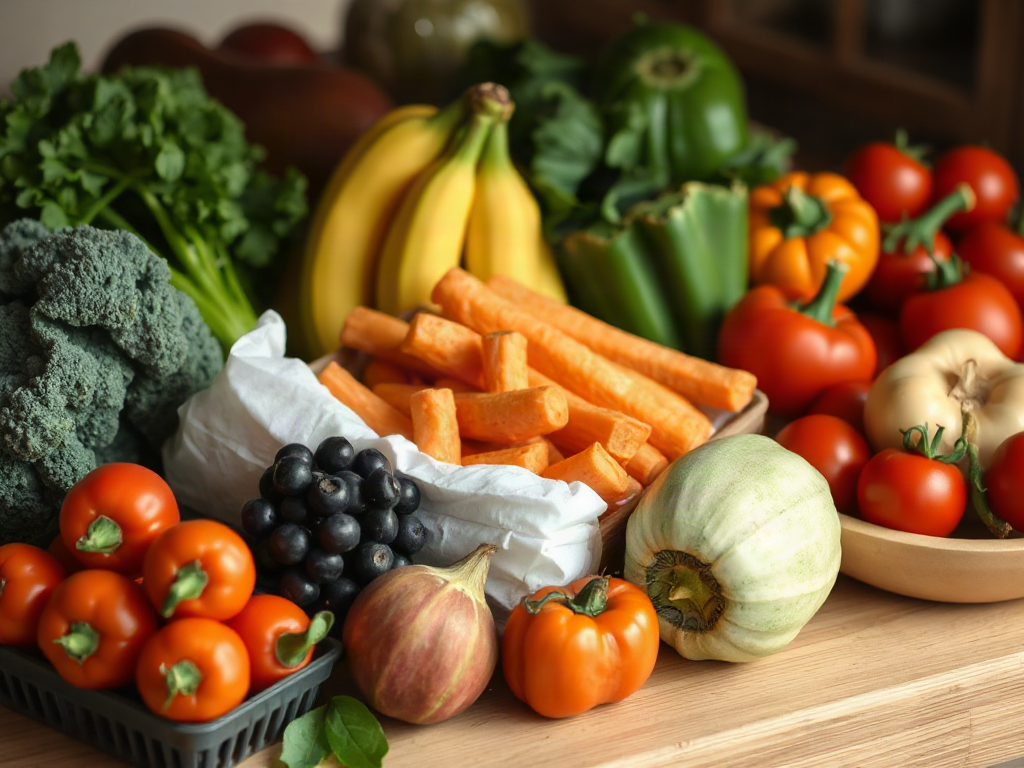
Organic produce and oxalate considerations in meal planning are best handled by matching higher-oxalate foods with portions, preparation methods, and calcium-containing foods rather than avoiding all plant foods. Spinach, Swiss chard, beet greens, almonds, and some legumes can contribute substantial oxalate, while kale, cabbage, cauliflower, mushrooms, apples, and citrus are generally lower-oxalate options. Boiling and discarding cooking water may reduce oxalate in some vegetables, although it also removes water-soluble nutrients. Organic certification does not reliably indicate lower oxalate levels, so meal planning should focus on the food, serving size, variety, hydration, and any clinician-advised restrictions for kidney stone risk or another medical condition.
Why Oxalate Belongs in Produce Planning
Oxalate is a naturally occurring compound found in varying amounts in many plants. In the digestive tract, some oxalate can bind with calcium and leave the body in stool, while the remainder may be absorbed and excreted in urine. That distinction matters most for people with a history of calcium oxalate kidney stones, certain intestinal conditions, or clinician-directed dietary restrictions. For everyone else, a broad, plant-rich diet should not be narrowed unnecessarily because a food contains oxalate.
Organic certification describes how an agricultural product is grown, handled, and processed; it does not serve as a reliable measure of oxalate content. Organic spinach and conventionally grown spinach may both be high-oxalate foods, while organic cabbage and conventional cabbage are generally lower-oxalate choices. Variety, maturity, growing conditions, storage, and published food-composition estimates can affect values, so exact numbers should not be treated as fixed for every bunch or package.
The practical question is not whether a meal contains any oxalate. It is whether the food, quantity, preparation, and total dietary pattern fit the person’s needs. A smoothie made from a large amount of raw spinach concentrates more spinach into one sitting than a meal containing a modest portion of cooked greens. A person with stone risk may also need to consider fluid intake, sodium, total calcium intake, and other dietary factors rather than focusing on produce alone.
A common mistake is treating “organic” as a dietary safety category for oxalate. Another is assuming that every green vegetable has the same profile. Those assumptions can lead to expensive substitutions without addressing the actual exposure. Use the organic produce and oxalate considerations in meal planning lens to separate farming preference from nutritional composition, then adjust the menu based on serving size and personal medical advice.
Higher- and Lower-Oxalate Foods to Compare
Food lists are useful for identifying patterns, but they are not a reason to classify an entire food group as forbidden. Spinach, Swiss chard, beet greens, sorrel, and some nuts are commonly treated as higher-oxalate choices. Other foods, including beets, sweet potatoes, okra, cocoa, and some legumes, may also require attention when eaten frequently or in large portions. Values differ across references, and serving size changes the practical impact.
Lower-oxalate alternatives can preserve variety and texture. Kale, bok choy, cabbage, cauliflower, broccoli, cucumber, mushrooms, onions, peppers, and summer squash are often useful swaps, although no single list is universal. Fruits such as apples, grapes, peaches, pears, melons, and citrus can add color and flavor without making leafy greens the center of every meal. These comparisons are more useful than simply labeling all organic produce as either safe or unsafe.
Consider two breakfast examples. A large raw-spinach smoothie with almond butter and cocoa may combine several ingredients that deserve attention in a stone-conscious plan. An alternative could use a smaller amount of spinach with yogurt, berries, oats, and a lower-oxalate vegetable at another meal. The second pattern does not make a medical promise, but it distributes plant foods instead of concentrating several potentially relevant ingredients in one drink.
Another weak assumption is that a food’s reputation tells you its whole nutritional story. Almonds may contribute oxalate, but they also provide protein, fat, and minerals; removing them may require a replacement. If a person avoids nuts, leafy greens, legumes, and whole grains at once, fiber and nutrient adequacy may suffer. A better comparison asks what the food contributes, how often it appears, and what realistic substitute supplies a similar role.
- For leafy greens: rotate cabbage, kale, bok choy, and lettuce with smaller portions of higher-oxalate greens.
- For crunch: compare seeds or nuts with lower-oxalate options suited to the individual plan rather than assuming every seed is interchangeable.
- For carbohydrate foods: vary rice, oats, pasta, potatoes, and other staples according to tolerance and professional guidance.
How Cooking, Pairing, and Portions Change a Meal
Preparation changes the amount of oxalate that remains in some vegetables, particularly when a food is boiled and the cooking water is discarded. This method can move water-soluble compounds into the water, but it may also reduce vitamin C, folate, flavor, and texture. Steaming, roasting, sautéing, and microwaving may preserve different nutrients while producing less change in oxalate. The most suitable method depends on the vegetable and the person’s dietary target.
For someone who has been advised to limit oxalate, boiling a serving of greens and discarding the water may be more useful than eating the same greens raw in a concentrated salad or smoothie. The process is not a license to eat unlimited quantities. It also should not be applied automatically to every vegetable, because excessive cooking can make meals less appealing and reduce the range of foods someone is willing to eat.
Calcium-containing foods can matter because calcium in the digestive tract may bind some dietary oxalate before absorption. A meal that includes yogurt, milk, cheese, or another suitable calcium source may be more practical than taking calcium separately without guidance. The choice should account for lactose tolerance, overall dietary needs, and any medical instruction. Calcium supplements should not be added solely to counterbalance a food without discussing timing and dose with a qualified clinician.
Portion size is often the most overlooked control. A small garnish of cooked greens is not equivalent to a large bowl of raw greens, and a tablespoon of nut butter is not equivalent to several handfuls of nuts. Keep a short food record for several days if a clinician has asked you to identify patterns. Note the food, approximate amount, cooking method, beverage intake, and symptoms or stone-related concerns; avoid changing every variable at once.
Here, the important tradeoff is precision versus sustainability. A highly restrictive plan may appear thorough but become difficult to maintain and nutritionally narrow. A flexible plan using smaller portions, rotation, cooking water management, and appropriate calcium pairing may be easier to follow. The best approach is the one that addresses the relevant medical risk without turning every organic meal into a calculation.
Building a Practical Weekly Eating Plan
A workable plan begins with the meals a person already eats, not with a long prohibited-food list. Review repeated ingredients across breakfast, lunch, dinner, snacks, juices, and supplements. Concentrated sources are easy to miss: green powders, large smoothies, cocoa-based drinks, nut flours, and frequent servings of the same leafy green may contribute more exposure than a varied plate of vegetables.
Use a rotation system for produce. For example, one lunch might feature cabbage slaw with beans and a calcium-containing dressing; another could use roasted cauliflower, rice, and a protein source; dinner could include a modest serving of cooked greens alongside a different vegetable. Such rotation does not guarantee a particular urinary outcome, but it reduces dependence on one food and makes it easier to identify whether a concentrated ingredient is causing difficulty.
Shopping habits also affect the plan. Organic shoppers can choose based on farming preferences, budget, freshness, and availability while separately checking oxalate relevance. Frozen vegetables may be practical because they reduce spoilage and make measured portions easier. Fresh produce may offer preferred texture, but buying large quantities of a high-oxalate favorite can encourage repeated servings simply because it needs to be used.
A concise planning checklist can keep decisions proportionate:
- Identify whether a clinician has given a specific oxalate target or whether the concern is general education.
- Mark concentrated or frequently repeated foods, especially smoothies, powders, nuts, cocoa, and large servings of greens.
- Pair meals with suitable calcium-containing foods when appropriate for the individual.
- Use rotation and measured portions before eliminating broad categories.
- Review hydration and sodium guidance with a clinician when kidney stone prevention is the reason for the change.
A common failure mode is making a weekly plan that looks healthy but repeats the same high-oxalate breakfast every day. Another is replacing spinach with an equally concentrated green powder and assuming the label makes the difference. When an approach is working, meals remain varied, portions are predictable, and the person can follow the plan without losing adequate fiber or enjoyment. When it is failing, restriction keeps expanding, eating becomes stressful, or the menu loses important nutrient sources.
When Individual Medical Guidance Matters
Oxalate planning becomes more specialized when a person has recurrent calcium oxalate stones, reduced kidney function, intestinal malabsorption, bariatric surgery history, inflammatory bowel disease, or another condition affecting mineral handling. In those situations, a generic online food chart may not reflect the person’s urine chemistry, medication use, hydration status, or nutritional needs. A registered dietitian or other qualified clinician can help interpret the reason for restriction.
People with kidney stone concerns should not assume that oxalate is the only dietary variable. Clinicians may consider urine volume, calcium, oxalate, citrate, uric acid, sodium, and other findings when evaluating prevention. A person who sharply reduces calcium may unintentionally remove a factor that helps bind oxalate in the gut. Someone else may need a different priority because of kidney function or another diagnosis.
Bring specific questions to an appointment. Ask whether the recommendation concerns total daily oxalate, particular foods, portion size, or a short-term elimination trial. Ask whether calcium should be consumed with meals, whether boiling is worth the nutrient tradeoff, and which foods can replace removed ingredients. These questions produce more useful advice than asking whether all organic produce is appropriate.
Do not use oxalate restriction to diagnose unexplained pain, urinary symptoms, or digestive problems. Severe flank pain, fever, vomiting, blood in the urine, or difficulty urinating warrants prompt medical attention rather than dietary experimentation. Food changes may support a clinician’s plan, but they are not a substitute for evaluation or treatment.
The most sensible priority is proportionality: keep the diet varied, address concentrated sources first, use preparation strategically, and make major restrictions only when a professional reason exists. Organic purchasing can remain part of that plan, but it should not be mistaken for an oxalate-management method. For a more detailed planning perspective, revisit organic produce and oxalate considerations in meal planning alongside the advice that applies to your health history.
Frequently Asked Questions
Does organic produce contain less oxalate?
Organic certification does not reliably indicate lower oxalate. Choose organic foods for agricultural or purchasing reasons, then assess the specific food, portion, and preparation separately.
Which organic vegetables are often easier to include in a lower-oxalate plan?
Cabbage, cauliflower, broccoli, bok choy, mushrooms, onions, peppers, and cucumber are commonly used lower-oxalate options, though individual food lists and serving guidance can differ.
Does boiling remove oxalate from vegetables?
Boiling and discarding the water may reduce oxalate in some vegetables because certain compounds move into the cooking water. It can also reduce flavor and water-soluble nutrients, so use it selectively.
Should calcium be eaten with higher-oxalate foods?
Calcium eaten with a meal may bind some oxalate in the digestive tract, but the right amount and source depend on health needs. Do not add calcium supplements without professional advice.
Should people with kidney stones avoid all leafy greens?
No. Spinach and some other greens may deserve portion or frequency limits, but broad avoidance can reduce dietary variety. A clinician or dietitian can identify suitable greens and serving sizes.
Conclusion
Thoughtful oxalate planning does not require abandoning organic produce or removing every plant food associated with oxalate. Separate the organic purchasing decision from the food-composition decision, then focus on the ingredients that are concentrated, repeated often, or eaten in unusually large portions. Rotate greens and other produce, use boiling selectively when it fits the goal, pair meals with appropriate calcium foods, and protect overall fiber and nutrient variety. People with recurrent stones, kidney disease, intestinal conditions, or a prescribed restriction need individualized guidance rather than a generic chart. Start by reviewing one typical day of eating and identify the highest-impact adjustment—often a smoothie, powder, large green serving, or repeated nut-based ingredient—before making broader changes.