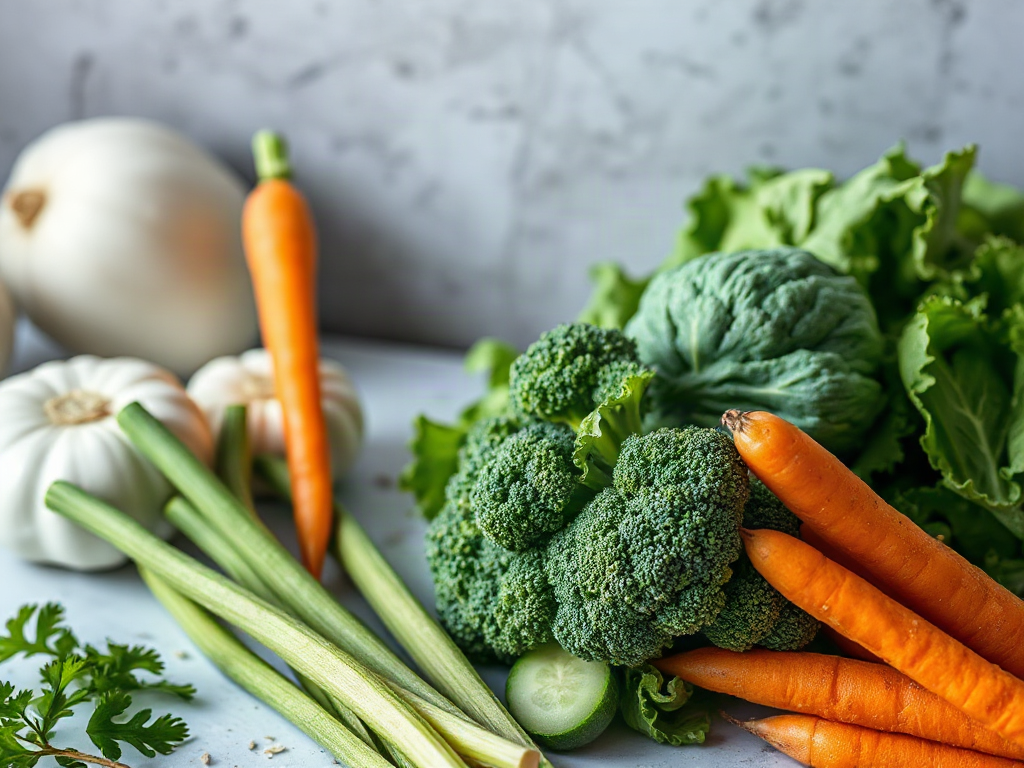
Vegetable choices for histamine sensitive meal planning are usually built around very fresh, minimally processed vegetables such as carrots, zucchini, lettuce, cucumbers, broccoli, and sweet potatoes, while personal reactions guide whether tomatoes, spinach, eggplant, or fermented vegetables are limited. Histamine is not simply determined by whether a food is fresh or organic; storage time, processing, leftovers, and individual tolerance can all affect a meal. Cook vegetables soon after buying them, cool leftovers quickly, and freeze extra portions when practical. A short, carefully recorded trial can reveal whether a suspected reaction relates to one vegetable, a combination, or another ingredient entirely. Medical guidance is appropriate when symptoms are persistent, severe, or difficult to distinguish from food allergy.
How Freshness and Processing Shape Vegetable Choices
Freshness deserves as much attention as the vegetable itself when meals are planned for histamine sensitivity. Histamine is produced through microbial activity, and the amount in a food can change with ripeness, storage, fermentation, and prolonged holding. That does not mean every older vegetable will cause symptoms, but it explains why two servings of the same food may not feel identical.
Vegetables bought fresh, handled cleanly, and cooked promptly are often easier to evaluate than vegetables that have spent several days in the refrigerator. A bag of cut zucchini used the day it is opened provides a clearer test than a mixed vegetable dish prepared four days earlier. Frozen vegetables can also be practical because freezing soon after processing limits the long storage period, although the specific product and the person’s tolerance still matter.
Storage is a frequent source of confusion. Refrigeration slows microbial growth but does not make a cooked meal indefinitely suitable. If a large batch is prepared, divide it into shallow containers, refrigerate it promptly, and freeze portions that will not be eaten soon. Reheating a meal repeatedly may create more uncertainty than cooking a smaller amount each day.
Organic and conventional status should not be treated as a histamine test. Organic farming may matter for a person’s broader food preferences, but it does not automatically make a vegetable low histamine or guarantee symptom-free eating. Likewise, a vegetable reaction may involve portion size, a sauce, an additive, or the total meal rather than the vegetable alone. The useful priority is traceable preparation: one or two ingredients, a known cooking date, and a consistent serving.
Vegetables to Build Meals Around
A practical starting group often includes carrots, zucchini, cucumber, lettuce, green beans, broccoli, cauliflower, sweet potatoes, winter squash, and fresh herbs that an individual already tolerates. These foods offer different textures and nutrients without requiring fermentation, aging, or complex sauces. They can form the base of simple meals while a person observes patterns.
Carrots and sweet potatoes contribute carbohydrate and carotenoids, making them useful when a meal needs more energy than leafy greens provide. Zucchini, cucumber, and lettuce add moisture and volume with relatively little preparation. Broccoli, cauliflower, and green beans can provide fiber and vitamin C, although large portions of any high-fiber vegetable may cause bloating that is unrelated to histamine. Steaming or roasting can change texture and digestion without changing the food into a completely different ingredient.
Meal structure matters more than collecting a long list of supposedly safe foods. For example, a simple plate might contain freshly cooked rice, roasted carrots and zucchini, and a protein that the person already tolerates. Another meal could use a baked sweet potato with steamed green beans and olive oil. These combinations make it easier to identify a problem than a casserole containing tomatoes, aged cheese, vinegar, several spices, and leftovers.
Portion size should be introduced gradually when a food is uncertain. A small serving is not a guarantee of tolerance, but it reduces the number of variables and may make a pattern easier to interpret. People who have been restricting many foods should avoid narrowing the diet indefinitely without professional support; nutritional adequacy, fiber, energy, and enjoyment all matter.
Foods to Trial Carefully and Common Substitutions
Some vegetables are frequently questioned in histamine-sensitive meal planning, including tomatoes, spinach, eggplant, avocado, and fermented vegetables. Lists found online often disagree because food composition, storage, serving size, and individual responses vary. A cautious trial is more useful than assuming that every person must avoid the same group.
Tomatoes are common in sauces, soups, and prepared foods, so removing them may also remove vinegar, spices, garlic, or a long-cooked leftover meal. If tomato seems relevant, test a plain, freshly prepared portion separately rather than judging a restaurant pasta dish. Spinach can be replaced in a meal with lettuce, kale, or another personally tolerated green, but the replacement should be tested on its own rather than added to a complex recipe.
Fermented vegetables deserve special attention because fermentation is intentionally driven by microorganisms. Sauerkraut, kimchi, pickled vegetables, and some vegetable condiments may be difficult for a sensitive person to evaluate, particularly when they are combined with vinegar, chili, garlic, or other strongly flavored ingredients. Fresh cucumber with herbs can replace a pickled side; roasted zucchini can replace a tomato-based vegetable topping; and steamed greens can replace fermented greens.
The common mistake is turning a precautionary list into a permanent diagnosis. A food may be tolerated when fresh but not after extended storage, or symptoms may actually come from a coexisting allergy, digestive condition, medication interaction, or another ingredient. Reactions involving swelling, breathing difficulty, faintness, or rapid progression require urgent medical attention rather than home food experiments. For broader planning, the vegetable choices for histamine sensitive meal planning can be connected with professional dietary assessment instead of relying on a universal online chart.
A Practical Method for Planning, Cooking, and Tracking
A short, organized trial produces better information than changing ten ingredients at once. Begin with vegetables that are easy to source and prepare, then keep the rest of the meal familiar. Record the vegetable, approximate portion, freshness, cooking method, storage time, and symptoms. This turns a vague impression into a pattern that can be discussed with a clinician or registered dietitian.
Use a rotation of simple meals rather than eating one restricted dish repeatedly. For example, breakfast might include tolerated vegetables alongside eggs or another established food; lunch could use fresh cucumber, lettuce, and carrots; dinner could alternate zucchini, green beans, broccoli, and sweet potato. The purpose is not to create a perfect menu but to reduce dependence on one food and preserve nutritional variety.
A compact planning checklist can keep the process realistic:
- Choose vegetables that are fresh, frozen promptly, or prepared from a known package date.
- Separate a suspected vegetable from sauces, fermented ingredients, aged foods, and restaurant mixtures.
- Cook only the amount likely to be eaten soon, or freeze extra portions after prompt cooling.
- Change one meaningful variable at a time when testing tolerance.
- Review recurring symptoms with a qualified professional rather than expanding the avoidance list indefinitely.
Signs that the approach is becoming more useful include clearer links between a food and a symptom, fewer mysterious leftovers, and meals that still contain adequate carbohydrate, protein, fiber, and variety. Signs that it is failing include increasingly severe restriction, anxiety around every vegetable, symptoms occurring with nearly all foods, or reactions that are rapid and medically concerning. Those patterns call for evaluation, not stricter self-imposed rules.
Preparation method can also affect comfort. Steaming may be preferable to a heavily seasoned stir-fry during a trial because it keeps the ingredient list short. Freshly cooked food may be easier to interpret than a meal held for several days. At the same time, convenience matters: frozen carrots or green beans may be a better practical choice than buying fresh produce that will sit unused. The best plan is one that preserves freshness without creating waste or nutritional gaps. The vegetable planning reference should therefore be used as a decision aid, not a rigid prohibition list.
Frequently Asked Questions
Which vegetables are often practical starting choices?
Carrots, zucchini, cucumber, lettuce, green beans, broccoli, cauliflower, sweet potatoes, and squash are commonly used starting options when they are fresh and personally tolerated.
Are frozen vegetables suitable for histamine-sensitive meal planning?
They can be convenient because freezing limits extended storage, but check the ingredient label, avoid seasoned mixtures during testing, and judge tolerance individually.
Should tomatoes and spinach always be avoided?
No universal avoidance rule applies. Trial them separately in a fresh, simple preparation if medically appropriate, and record the portion and preparation details.
How should vegetable leftovers be handled?
Cool cooked vegetables promptly, refrigerate them in shallow containers, and freeze portions that will not be eaten soon to reduce prolonged refrigerated storage.
Can a vegetable reaction indicate a food allergy?
It may, but symptoms can have several causes. Swelling, breathing difficulty, faintness, or rapidly worsening symptoms need urgent medical care rather than dietary experimentation.
Conclusion
Effective meal planning for histamine sensitivity is less about memorizing a permanent vegetable blacklist and more about controlling freshness, preparation, storage, portion size, and ingredient complexity. Build meals around vegetables you already tolerate, introduce uncertain foods one at a time, and keep fermented or long-stored ingredients separate while you look for patterns. Frozen options can support convenience, while prompt cooling and freezing can make leftovers easier to manage. Keep enough variety to protect fiber and nutrient intake, and involve a qualified clinician or dietitian when restriction expands or symptoms are difficult to interpret. The next useful step is a short record of fresh meals, portions, storage times, and symptoms that can guide a more individualized plan.