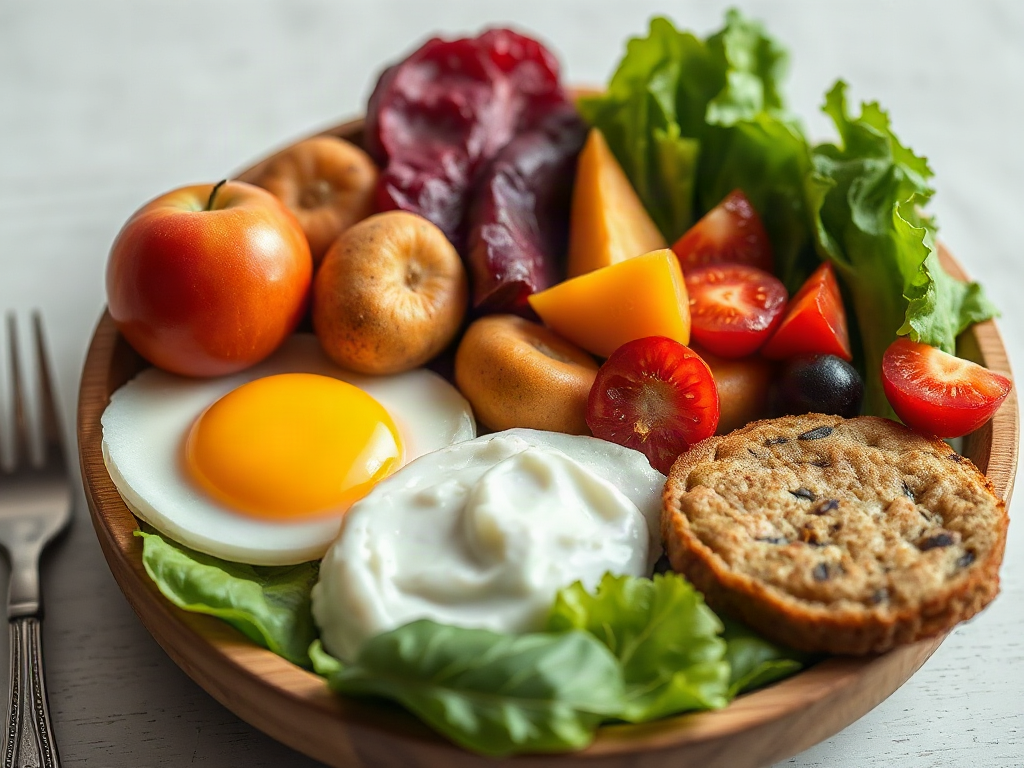
Organic produce breakfast choices without sweeteners work best when vegetables, unsweetened fruit, protein, and a satisfying fat or whole-food carbohydrate are combined rather than eaten as produce alone. Savory options such as eggs with spinach and tomatoes, roasted vegetables with beans, or plain yogurt with berries and walnuts provide contrasting textures and help prevent a breakfast from becoming a bowl of quickly eaten fruit. Choose fresh or frozen organic ingredients according to budget and availability, check plain packaged foods for added sugar, and use herbs, spices, citrus, or vinegar for flavor. People managing diabetes, allergies, or other dietary needs may need individualized advice from a qualified clinician.
What Makes a Sweetener-Free Produce Breakfast Balanced
A breakfast built around organic produce does not need honey, maple syrup, agave, or flavored syrups to taste complete. The more useful question is whether the plate contains enough contrast: crisp or tender vegetables, naturally tart or mildly sweet fruit, protein, and a source of fat or slower-digesting carbohydrate. Produce supplies water, fiber, vitamins, minerals, and plant compounds, but a bowl of fruit by itself may leave some people hungry again soon. Adding eggs, tofu, beans, plain yogurt, nuts, seeds, or whole grains makes the meal more substantial without relying on added sweetness.
Flavor comes from more than sugar. Roasted tomatoes develop a deeper taste, leafy greens become more approachable when wilted with garlic, and citrus zest can brighten plain yogurt or a grain bowl. Acid from lemon juice or vinegar is especially useful because it sharpens savory ingredients that might otherwise seem flat. Fresh herbs, smoked paprika, black pepper, cinnamon, ginger, and toasted seeds provide additional character without functioning as sweeteners.
Organic certification describes production practices, not a guaranteed nutrient advantage or a particular flavor profile. A conventional banana, frozen spinach, or locally grown tomato can still be a nutritious choice when organic versions are too expensive or unavailable. The practical value of choosing organic produce may relate to personal priorities, farming practices, or exposure preferences. It should not displace adequate food intake or create financial strain.
A useful starting plate might contain sautéed kale and mushrooms, two eggs, and a slice of unsweetened whole-grain toast. Another could combine plain Greek-style yogurt, blueberries, pumpkin seeds, and unsweetened oats. The first is clearly savory; the second uses fruit but avoids sweetened dairy and granola. Both offer more structure than produce alone. For more ideas, compare these options with other organic produce breakfast choices without sweeteners based on hunger, cooking time, and available ingredients.
Savory Organic Produce Combinations That Work
Savory combinations are often the easiest way to remove sweeteners without making breakfast feel restrictive. Eggs pair well with spinach, peppers, onions, tomatoes, and potatoes because their mild richness carries assertive vegetable flavors. Tofu can take the same role in a plant-based scramble, especially when seasoned with turmeric, cumin, garlic, or a small amount of tamari. Beans add fiber and substance to a breakfast taco filled with cabbage, avocado, and salsa that contains no added sugar.
Texture deserves attention. Soft scrambled eggs with cooked greens can feel monotonous, while the addition of toasted seeds, crisp cucumber, or a roasted potato creates contrast. A warm bowl of quinoa, black beans, sautéed zucchini, and avocado is more satisfying when the vegetables are seasoned separately rather than boiled together. Combining fresh and cooked produce also prevents the meal from tasting watery or one-dimensional.
Fruit still has a place in a no-sweetener breakfast, but it does not have to be the dominant component. Tart berries beside a vegetable omelet, sliced pear with unsweetened cottage cheese, or citrus segments alongside a bean-and-greens bowl can provide freshness without turning the meal into dessert. Dried fruit deserves more caution because its concentrated sweetness can make a dish taste like a sweetened product even when no syrup was added.
Consider three practical scenarios. Someone with ten minutes might heat frozen organic spinach and peas, fold them into eggs, and add avocado. A person preparing breakfast for work could pack roasted sweet potato, chickpeas, greens, and a lemon-tahini dressing separately. Someone who prefers a cold meal might use plain kefir or yogurt with berries, walnuts, and unsweetened oats. The best choice depends less on whether the ingredients look ideal on paper and more on whether the meal is portable, palatable, and filling enough to repeat.
A common mistake is treating savory as automatically balanced. Hash browns cooked in a large amount of fat, heavily salted packaged vegetables, or a breakfast made only of avocado and tomatoes may lack protein or become calorie-dense without lasting satiety. Savory flavor is a direction, not a nutritional guarantee. Use the breakfast comparison to check both taste and composition.
How to Build and Prep Breakfasts Without Added Sweetness
Reliable breakfasts usually come from a small preparation system rather than elaborate recipes. Select one main protein, two or three vegetables, one optional fruit, and a flavor finish for several days. Hard-boiled eggs, baked tofu, cooked beans, washed greens, roasted vegetables, and plain oats can be mixed into different meals. Keeping components separate preserves texture and makes it easier to adjust portions.
Read labels on foods that sound naturally plain. Yogurt, plant-based milk, granola, nut butter, breakfast sausage, canned beans, and prepared salsa may contain added sugar even when the front package emphasizes fruit or whole grains. “No added sugar” is different from “unsweetened,” and either phrase still deserves an ingredient check. A product may contain naturally occurring sugars from milk or fruit without containing a sweetener.
Cooking method changes flavor enough to reduce the perceived need for sugar. Roasting carrots, onions, squash, or tomatoes concentrates their natural flavors; steaming greens keeps them fresh but may require lemon, garlic, or toasted sesame. Blending can make a drink easy to consume quickly, so a smoothie built from fruit and juice may not feel as substantial as a bowl containing intact produce, protein, and seeds. If a smoothie is convenient, use unsweetened milk or water, include spinach or cucumber, add plain yogurt or tofu, and avoid treating it as a guaranteed substitute for a chewable meal.
A compact preparation sequence is:
- Choose a protein before choosing a topping or garnish.
- Prepare at least one vegetable in a form that can be reheated quickly.
- Add fruit only if its flavor and portion fit the meal rather than carrying the entire recipe.
- Finish with acid, herbs, spices, seeds, or avocado instead of syrup.
- Taste before salting heavily, since roasted produce and a sharp dressing may already provide enough impact.
Budget and storage matter. Frozen spinach, berries, peas, and mixed vegetables can reduce waste and remain useful when fresh organic produce is costly. Canned beans are convenient, but rinsing them can reduce surface sodium; refrigeration and package instructions still matter for prepared foods. Delicate greens may need to be used first, while firm cabbage, carrots, apples, and winter squash generally offer more scheduling flexibility. A breakfast plan that ignores spoilage will encourage last-minute packaged foods or unnecessary food waste.
Common Mistakes, Tradeoffs, and Practical Adjustments
The biggest mistake is assuming that removing sweeteners automatically improves every breakfast. A meal can be free of added sugar yet rely on refined starch, contain little protein, or be too small for the eater’s morning demands. Conversely, naturally sweet fruit is not the same as a syrup-based pastry. The relevant distinction is the meal’s overall composition, preparation, and fit with the person eating it.
Another weak assumption is that organic means unlimited. Organic nuts, berries, avocados, and specialty greens can make a breakfast expensive, while frozen or conventionally grown alternatives may be more realistic. A sensible approach is to buy organic when it aligns with personal priorities and budget, then protect quality by using all purchased produce. Choosing a smaller amount of high-cost produce and adding inexpensive staples such as cabbage, potatoes, carrots, oats, lentils, or beans may produce a more dependable breakfast routine.
Watch for signs that a meal needs adjustment. Hunger within an hour or two may indicate that protein, fat, or total food volume is too low. A breakfast that feels heavy may contain more oil, cheese, nuts, or avocado than needed, even if its ingredients are wholesome. Bloating may reflect a sudden increase in beans, raw vegetables, or high-fiber additions rather than a need to abandon produce altogether. Cooking vegetables, reducing portions temporarily, or changing one ingredient at a time can make the cause easier to identify.
People with diabetes, gastrointestinal conditions, food allergies, kidney disease, or prescribed dietary restrictions should not assume that a general produce pattern meets their needs. Beans, dairy, nuts, high-potassium produce, and large amounts of fiber may require individual adjustments. Nutrition advice from a qualified clinician is more appropriate when a medical condition, medication, or persistent symptom affects food choices.
Use a simple decision test when choosing tomorrow’s breakfast: how much time is available, how hungry will you likely be, which produce needs using first, and what protein is already prepared? If time is short, pair a ready protein with frozen vegetables rather than attempting a complicated recipe. If appetite is low, use a smaller savory plate and keep fruit or yogurt available later. If the same meal repeatedly leaves you unsatisfied, change its structure before blaming the absence of sweeteners.
For reliable background, consult USDA MyPlate and the FDA’s consumer nutrition information when comparing food groups, ingredient labels, and added sugars. University extension nutrition resources can also provide practical guidance on produce storage, meal planning, and reducing household food waste. These sources are more useful than package claims alone because they explain how food choices fit into an overall eating pattern.
Popular Questions
What should a Table of Contents include?
A Table of Contents should list the article’s main sections in the order they appear. Use concise, descriptive labels that tell readers what each section covers. Include important subsections when they help readers find specific information, but avoid listing every minor detail.
How can a Table of Contents improve an article?
A Table of Contents lets readers preview the article and jump directly to topics that interest them. Organize the entries to reflect a clear progression from introductory information to practical details or conclusions. If the article is published online, link each entry to its corresponding section for easier navigation.
Where should a Table of Contents appear?
Place the Table of Contents near the beginning of the article, after a brief introduction when one is needed. This position gives readers an immediate overview before they start reading. For longer pages, consider making the contents links easy to access as readers scroll.
Conclusion
A satisfying breakfast without sweeteners depends on composition and preparation, not on finding a single perfect organic ingredient. Build around a protein, add vegetables in at least one appealing texture, use fruit selectively, and rely on acid, herbs, spices, or toasted ingredients for flavor. Frozen and conventional options can be reasonable when cost, access, or waste makes them the better practical choice. Check labels on yogurt, plant milks, granola, sauces, and packaged breakfast foods because sweetness often enters through supporting ingredients. Try two repeatable combinations this week, note how long they keep you satisfied, and adjust the protein, portion, cooking method, or produce mix rather than simply adding a sweetener.