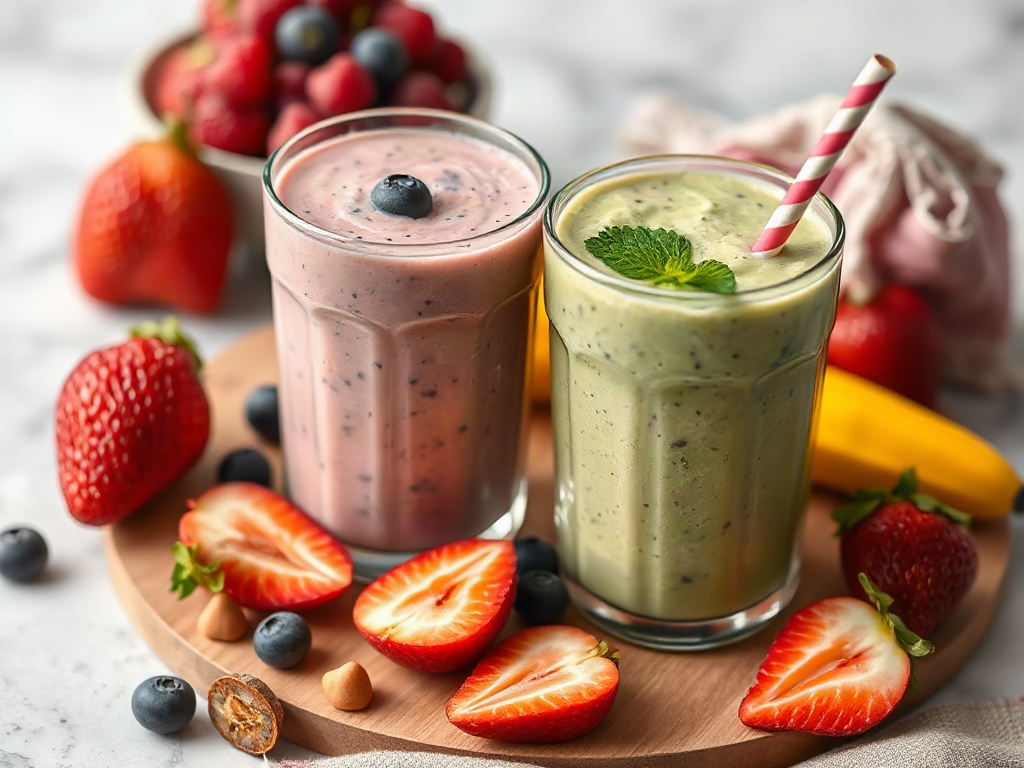
Organic fruit smoothies can preserve some chewing benefits by keeping part of the fruit in small pieces, using a thick spoonable texture, and eating the mixture slowly rather than drinking it quickly. Chopped apples, pears, berries, kiwi, or nuts can add texture, while oats, chia seeds, or unsweetened yogurt may make the meal more substantial. Chewing still stimulates saliva and slows eating, so a fully blended drink does not provide the same oral and pacing experience as whole fruit. Use a smoothie as one part of a meal, not an automatic replacement for every whole-fruit serving, and adjust ingredients if the texture causes digestive discomfort.
What Blending Changes About Eating Fruit
Blending organic fruit changes the physical work involved in eating, even when the ingredients remain recognizable as whole foods. A peach, apple, or handful of berries normally requires biting, chewing, and repeated swallowing. A high-speed blender breaks the plant structure into a pourable mixture, which can make the same ingredients easier to consume quickly. The fiber is not automatically removed, but the food’s texture, volume, and eating pace are different.
Chewing has practical effects beyond breaking food into smaller pieces. It gives the meal more time in the mouth, mixes food with saliva, and creates pauses between bites. Those pauses may make it easier to notice fullness and may reduce the tendency to consume a large amount before the body has registered the meal. A blended drink can still contain fiber, water, vitamins, minerals, and plant compounds, but it does not recreate every sensory and pacing feature of biting into whole fruit.
The difference is clearest when comparing a thin berry drink with a thick bowl. A smoothie made from fruit juice, ripe banana, and extra water may be finished in a few minutes. A spoonable mixture made with frozen berries, chopped pear, plain yogurt, and oats takes longer to eat and offers more resistance. Neither format is automatically the better choice; the useful question is what role the smoothie has in the meal.
Organic certification does not determine whether a smoothie preserves chewing benefits. It describes how the ingredients were produced and handled under the applicable organic rules, while chewing relates mainly to texture and eating behavior. Organic strawberries and conventionally grown strawberries behave similarly in a blender. Choosing organic may reflect farming or purchasing priorities, but it should not be treated as a substitute for retaining texture or eating slowly.
Readers comparing this approach with organic fruit smoothies without losing chewing benefits should check three things first: whether the drink contains intact pieces, whether it is consumed with a spoon or through a straw, and whether it replaces a meal that would otherwise include whole fruit. Those details usually matter more to chewing exposure than the blender’s brand or the fruit’s organic label.
How to Build Texture Into a Smoothie
A textured smoothie begins with ingredients that resist complete liquefaction. Small pieces of firm pear, apple, peach, or kiwi can be folded into a blended base after blending. Berries may be left partly whole, especially when frozen, although people with dental sensitivity may need softer pieces. A thick base made from unsweetened yogurt, milk, or a fortified plant beverage can support a bowl-like consistency without relying on fruit juice.
Seeds, oats, and chopped nuts provide a different kind of texture. Chia seeds swell in liquid and create a gel-like mouthfeel; rolled oats add soft chew after they absorb moisture; finely chopped walnuts or pumpkin seeds provide more pronounced bites. These ingredients also change the nutritional profile, adding substances such as protein, fat, or fiber. They are not appropriate for every person, and nuts or seeds should be avoided when allergy risk is present.
A practical method is to blend only the liquid, yogurt, and a portion of the fruit first. Add the remaining fruit in small cubes after the base reaches the desired thickness. If the blender runs again, use brief pulses rather than a long cycle. The objective is not to create a perfectly uniform drink. It is to create a mixture that still contains deliberate pauses, spoonfuls, and small pieces.
- Use frozen berries or mango for thickness rather than adding large amounts of juice.
- Fold in diced fruit after blending to retain bite-sized pieces.
- Add oats or chia gradually because they thicken as they stand.
- Serve in a bowl with a spoon when slowing the meal is a priority.
Texture should remain comfortable and safe. Very large pieces can be difficult for young children, people with swallowing problems, or anyone with dental limitations. A coarse mixture is not automatically more beneficial than a smooth one if it causes coughing, pain, or avoidance. People with swallowing disorders should follow individualized advice from a qualified clinician rather than changing texture based on general smoothie guidance.
A common mistake is adding crunchy toppings while keeping the drink itself thin and rapidly consumed. The topping may provide a few bites, but it does not necessarily change the pace of the rest of the serving. A better comparison is a thick, spoon-eaten base with texture distributed throughout. Test the mixture after five to ten minutes because oats, chia, and some protein-rich ingredients continue absorbing liquid after preparation.
Meal Timing, Portion Pace, and Satiety
Meal timing influences whether a smoothie functions as a slow meal or a quick source of calories. A person who drinks a large fruit smoothie while commuting may receive little opportunity to chew or pause. The same mixture eaten at a table with a spoon, alongside a separate whole-food item, creates a different eating pattern. The ingredients are only part of the outcome; the setting and pace shape the experience.
Pairing fruit with protein or fat may make the serving more substantial than fruit alone. Plain Greek-style yogurt, cottage cheese on the side, nut butter, tofu, or a meal containing eggs can change how the smoothie fits into the day. The appropriate choice depends on allergies, dietary preferences, energy needs, and digestion. Adding several calorie-dense ingredients without noticing portions can turn a modest snack into a very large meal.
Whole fruit remains useful even when a textured smoothie is available. An apple eaten with lunch, for example, provides a clear sequence of bites and may be more satisfying to someone who enjoys crisp texture. A smoothie may be more practical when chewing is tiring, appetite is low, or portable food is needed. Treating the formats as interchangeable in every situation creates a false choice; many people can use both.
Try a simple pacing experiment. Serve a thick smoothie in a bowl, put the spoon down between several mouthfuls, and avoid adding juice just to make it easier to swallow. Notice whether the texture remains pleasant, whether the portion feels adequate, and whether hunger returns unusually soon. If the serving disappears quickly, make it thicker, include more intact pieces, or reserve part of the fruit for the side of the meal.
People often assume that a smoothie is less filling solely because it is blended. The result can depend on total volume, fiber, protein, energy density, and speed of consumption. A thin drink made mostly from fruit may be easy to finish rapidly, while a thick mixture with yogurt, oats, and intact pieces may take longer. Neither observation proves that one format will produce the same response for everyone.
The related topic of organic fruit smoothies without losing chewing benefits is therefore best handled as a meal-design question. Choose whole fruit when chewing and slow pacing are central; choose a textured smoothie when convenience matters; combine formats when one serving needs to be portable but the rest of the meal can remain intact.
Common Mistakes and a Practical Smoothie Plan
The most frequent mistake is assuming that a smoothie preserves all the eating experience of whole fruit simply because its ingredients are unprocessed or organic. Blending changes structure even when no sugar or juice is added. A second mistake is using fruit juice as the main liquid, which produces a thinner drink and may encourage faster consumption. Water, milk, unsweetened plant beverages, or yogurt often provide a more controllable base.
Another failure occurs when texture is added without considering digestion. A sudden increase in chia, flax, oats, or nuts can cause bloating or discomfort for some people, particularly when fluid intake is low. Start with a small amount and change one ingredient at a time. Rinse fresh fruit, keep perishable mixtures chilled, and avoid leaving a dairy- or plant-based smoothie at room temperature for extended periods.
A workable plan can be built in four steps:
- Choose the eating format: Use a bowl and spoon if slowing the meal is the main goal; use a cup when portability is the priority.
- Make a thick base: Blend fruit with yogurt or another suitable liquid, using only enough liquid to move the blades.
- Restore deliberate texture: Fold in chopped fruit, softened oats, or an appropriate seed or nut ingredient after blending.
- Review the result: Check whether the serving takes longer to eat, remains comfortable, and fits the rest of the meal without excessive volume.
For example, blend frozen blueberries, plain yogurt, and a small amount of milk, then fold in diced pear and oats. Eat it from a bowl rather than treating it as a beverage. A different option for a busy morning is a drinkable berry smoothie paired with a whole apple or a slice of whole-grain toast. The second arrangement protects a separate chewing opportunity without forcing every ingredient into one texture.
Do not force a textured smoothie if it causes pain, coughing, difficulty swallowing, or persistent digestive symptoms. Texture modification should be individualized for medical conditions, and a registered dietitian or clinician can help when food intake, swallowing, allergies, or gastrointestinal symptoms are complicated. For general use, prioritize comfortable pieces, moderate portions, and a pace that allows the meal to be noticed rather than consumed automatically.
Readers can also use organic fruit smoothies without losing chewing benefits as a planning checkpoint: retain some intact fruit, keep the base thick enough to eat slowly, and decide whether the smoothie complements or replaces whole-food chewing at that meal.
For evidence-aware decisions, consult USDA MyPlate and the National Institutes of Health Office of Dietary Supplements for general food-group and nutrient information. Those resources can help separate the nutritional contribution of fruit, yogurt, oats, seeds, and added liquids from assumptions about texture or chewing.
Frequently Asked Questions
Does blending fruit remove its fiber?
Blending usually retains much of the fiber when the whole fruit is used, but straining, juicing, or discarding pulp removes more. Texture and eating speed still change.
What is the best texture for preserving chewing?
A thick, spoonable mixture with chopped or partly intact fruit generally provides more chewing and pacing than a thin, fully blended drink.
Are organic ingredients necessary for chewing benefits?
No. Organic status concerns production methods, while chewing depends mainly on food texture, serving format, and eating pace.
Can a smoothie replace whole fruit at every meal?
It can fit some meals, but whole fruit remains useful when you want more biting and chewing. Alternating formats or serving whole fruit alongside a smoothie is often practical.
How can I slow down a drinkable smoothie?
Use less liquid, serve it in a bowl, eat with a spoon, include suitable pieces of fruit, and sit at a table rather than consuming it while moving.
Conclusion
A smoothie can retain more of the eating experience of whole fruit when it is thick, spoonable, and finished with pieces that require gentle chewing. Chopped pear, berries, oats, chia, or suitable nuts can add texture, but comfort and individual dietary needs should guide the choices. Organic sourcing may matter for farming preferences, yet it does not determine whether chewing benefits remain. Use whole fruit when biting and deliberate pacing are the priority, and use a textured smoothie when convenience or portability matters. A mixed approach often works best: keep some fruit intact, avoid juice-heavy thin mixtures, eat without rushing, and treat the smoothie as one format within a varied eating pattern rather than a perfect substitute for every whole-fruit serving.