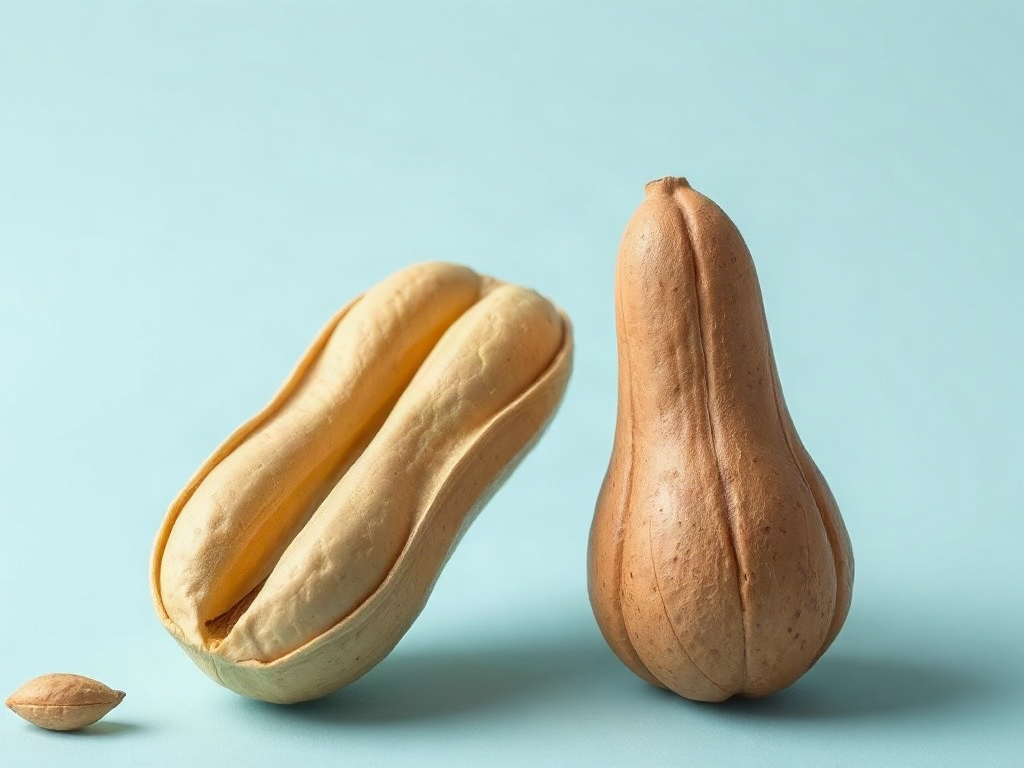
Peanuts generally provide more protein per serving than most tree nuts, while tree nuts offer a wider range of fat profiles, minerals, and distinctive nutrients. Peanuts and almonds are strong protein choices, walnuts stand out for plant-based omega-3 fat, and Brazil nuts are exceptionally rich in selenium. Most options primarily contain unsaturated fats, but portions matter because nuts are energy-dense. For everyday use, choose unsalted or lightly salted products with minimal added oil or sugar, then rotate varieties rather than treating one nut as nutritionally superior.
Which Nuts Provide the Most Protein?
Peanuts tend to lead common nuts in protein, although they are botanically legumes rather than tree nuts. A typical one-ounce serving of peanuts supplies roughly 7 grams of protein. Almonds and pistachios are close competitors at about 6 grams, while cashews provide about 5 grams. Walnuts, pecans, and macadamias generally contribute less protein per ounce.
That difference is useful, but it should not be exaggerated. A one- or two-gram advantage matters less than the total meal. Nuts are concentrated sources of fat and energy, so eating enough to obtain the protein found in a larger serving of beans, tofu, fish, eggs, or yogurt may also add substantially more calories. Peanuts can strengthen a snack or meal, but they are not automatically an efficient replacement for every major protein food.
| Nut or legume | Approximate protein per 1 ounce | Practical distinction |
|---|---|---|
| Peanuts | 7 grams | High protein and usually budget-friendly |
| Almonds | 6 grams | Protein plus fiber and vitamin E |
| Pistachios | 6 grams | Useful in snacks, grain bowls, and salads |
| Cashews | 5 grams | Creamy texture suited to sauces |
| Walnuts | 4 grams | Notable for alpha-linolenic acid |
| Pecans or macadamias | 2–3 grams | Lower protein, with fat as the main macronutrient |
Values vary slightly with variety, roasting, and the nutrition database or product label used. More importantly, nut proteins do not provide every indispensable amino acid in ideal proportions when eaten alone. A varied diet usually resolves that limitation without requiring protein combining at each sitting. Peanut butter on whole-grain toast, almonds stirred into oats, or pistachios served with lentil salad places nuts alongside foods with complementary amino-acid profiles.
A common mistake is comparing equal spoonfuls rather than equal weights. Chopped nuts, whole nuts, and nut butters pack differently into a measuring spoon or cup. For a fair comparison, check the label’s gram weight and protein per serving. If protein is the main goal, peanuts, peanut butter, almonds, and pistachios are usually the practical front-runners; if the meal already contains adequate protein, flavor, texture, and micronutrients can drive the decision instead.
How Do Their Fat Profiles Differ?
Most peanuts and tree nuts contain predominantly unsaturated fat, but the balance of monounsaturated and polyunsaturated fats differs considerably. Peanuts, almonds, hazelnuts, pecans, cashews, and macadamias are particularly associated with monounsaturated fat. Walnuts contain more polyunsaturated fat and are notable for alpha-linolenic acid, or ALA, a plant omega-3 fatty acid.
ALA is valuable within a varied eating pattern, but it should not be treated as nutritionally identical to the long-chain omega-3 fats found in oily fish or algae-derived products. The body can convert some ALA to longer-chain forms, yet that conversion is limited and variable. Walnuts can therefore contribute plant omega-3 fat without necessarily replacing other omega-3 sources for people who need or choose them.
Coconut is also botanically a tree nut in some classification contexts, but its fat profile does not resemble almonds, walnuts, or peanuts. Coconut is much higher in saturated fat. Chestnuts sit at another extreme: they contain far less total fat and more carbohydrate than familiar snack nuts. These outliers show why “tree nuts” is not a single nutritional category, even though the term is convenient for shopping and allergy discussions.
Processing can change the practical value of the food more than small differences between varieties. Dry-roasted nuts may be nutritionally close to raw nuts, while oil-roasted products can include added oil. Honey-roasted, candied, chocolate-coated, or heavily seasoned products may bring added sugars or substantial sodium. The ingredient list clarifies whether a package contains only nuts or a more formulated snack.
Rancidity is another real-world constraint. Unsaturated fats are vulnerable to oxidation, especially with heat, light, and long storage. A stale, bitter, paint-like, or sharply unpleasant taste suggests the product should be discarded. Store frequently used nuts in a sealed container away from heat; refrigeration or freezing can be useful for larger quantities, delicate walnuts, or products used slowly.
The weak assumption to avoid is that a higher total fat number makes one nut worse. Fat type, serving size, food processing, and the foods being displaced all matter. Replacing a sugary snack with plain nuts is a different dietary change from adding several large handfuls to meals without adjusting anything else. Judge the substitution, not merely the isolated nutrition panel.
Micronutrients and Whole-Food Value
Different nuts concentrate different micronutrients, which makes rotation more useful than searching for a universal winner. Almonds are recognized for vitamin E and provide magnesium and calcium. Peanuts contribute niacin and folate, while pistachios provide vitamin B6 and potassium. Cashews offer copper and magnesium, and walnuts supply copper and manganese alongside their distinctive fatty-acid profile.
Brazil nuts require special attention because they can contain unusually large amounts of selenium, with substantial natural variation from one nut to another. Selenium is essential, but more is not necessarily better. Brazil nuts are poorly suited to casual, unlimited handfuls or use as the only nut eaten every day. People taking selenium supplements or managing a relevant medical condition should discuss their total intake with a qualified clinician or dietitian rather than assuming a food-based source cannot become excessive.
Nuts also contain fiber and a physical food structure that affects eating experience and digestion. Whole nuts require chewing and usually take longer to eat than a smooth nut butter. Nut butter can still be nutritious, but it is easier to consume quickly and portions are less visually obvious. For someone seeking a filling snack, an apple with a measured spoonful of peanut butter or a small handful of almonds may be more useful than eating nut butter directly from the jar.
Phytates in nuts can bind some minerals and reduce their absorption within that meal. That does not make nuts nutritionally empty or require most people to soak every serving. Mineral status depends on the entire diet, digestive health, intake level, and other food sources. Soaking can also create food-safety and storage concerns if wet nuts remain warm or are not dried appropriately. It is a culinary choice, not a universal nutritional requirement.
Nut milks illustrate another common comparison error. A beverage made from almonds or cashews is not nutritionally equivalent to a serving of whole nuts, and many commercial versions contain little protein. Fortified products may supply calcium, vitamin D, or vitamin B12, but the amounts depend on the label and the beverage should be shaken so settled nutrients are redistributed. Peanut or tree-nut butter, whole nuts, and nut-based drinks serve different roles; their shared ingredient name does not make them interchangeable.
Prioritize variety when it is affordable: peanuts for economical protein, almonds for vitamin E, walnuts for ALA, and smaller, deliberate amounts of Brazil nuts for selenium. Variety broadens nutrient exposure while preventing one highly concentrated food from dominating the pattern.
How Should You Choose the Right Option?
The best choice depends on the job the food needs to perform. For inexpensive protein in oatmeal, sandwiches, or snacks, peanuts and peanut butter are difficult to overlook. For a crunchy source of vitamin E, almonds fit well. Walnuts make sense when plant omega-3 intake is a priority, while cashews work especially well when texture matters in blended sauces or dairy-free dishes.
Use a short label check rather than relying on front-of-package claims:
- Confirm the serving weight. Compare products by equal gram amounts rather than the number of pieces.
- Read the ingredient list. Nuts alone, or nuts with modest seasoning, make nutritional tradeoffs easier to judge.
- Check sodium and added sugar. Flavored coatings can turn a simple food into a salty or sweet snack.
- Match the form to the purpose. Whole nuts offer texture; nut butter spreads easily; nut beverages are separate products with different protein levels.
- Plan the portion. A small handful or label-defined serving is easier to assess than grazing from a large container.
Budget can reasonably influence the choice. Peanuts often provide more protein for the price than tree nuts, and choosing them is not a nutritional compromise simply because they cost less. A practical household pattern might use peanut butter for weekday breakfasts, walnuts in small amounts on oatmeal, and pistachios or almonds when their texture suits a salad or snack. Premium pricing does not reliably indicate greater nutritional value.
Allergy safety overrides nutrient comparisons. Peanut and tree-nut allergies are distinct, and tree nuts include multiple foods such as almonds, cashews, pistachios, walnuts, pecans, hazelnuts, and Brazil nuts. A person may react to one, several, or both categories. Shared equipment and cross-contact can also matter. Anyone with a diagnosed or suspected allergy should follow individualized medical advice and read current package labels rather than using botanical classification to decide what is safe.
Signs the choice is working are practical: the serving fits the meal, adds flavor or satiety, and does not unintentionally crowd out other protein foods, fruits, vegetables, or whole grains. The approach may need adjustment if portions repeatedly become much larger than intended, flavored products add substantial sugar or sodium, or nuts are being treated as the sole answer to every protein need.
Frequently Asked Questions
Are peanuts healthier than tree nuts?
Neither category is universally healthier. Peanuts usually offer more protein for the price, while individual tree nuts provide different advantages, such as vitamin E in almonds or ALA omega-3 fat in walnuts.
Which nut has the most protein?
Among commonly eaten options, peanuts generally provide about 7 grams per ounce. Almonds and pistachios follow closely at about 6 grams, though product labels and serving weights should guide comparisons.
Is peanut butter as nutritious as whole peanuts?
Plain peanut butter retains much of the protein and fat found in peanuts, but it is easier to eat quickly. Check for added sugar, sodium, and oils, and measure a serving when portions matter.
Are raw nuts better than roasted nuts?
Not necessarily. Dry roasting can preserve much of their nutritional value and improve flavor. Oil, heavy salt, sugar coatings, storage quality, and portion size are usually more meaningful differences.
Can someone with a peanut allergy eat tree nuts?
Possibly, but safety cannot be assumed. Peanut and tree-nut allergies are separate, co-allergy can occur, and cross-contact is possible. An allergist should assess individual foods and provide personalized guidance.
Conclusion
Choose nuts according to the meal rather than trying to crown one permanent winner. Peanuts, almonds, and pistachios are useful when protein matters; walnuts bring ALA; almonds add vitamin E; and Brazil nuts call for restraint because selenium content can be highly concentrated. Plain or minimally seasoned versions make it easier to control added sugar, sodium, and oils.
Start by comparing equal serving weights and checking the ingredient list. Use whole nuts when crunch and slower eating are helpful, nut butter when convenience matters, and fortified nut beverages only after confirming their protein and micronutrient labels. A rotation of affordable options usually delivers more nutritional breadth than relying on one variety. If allergy, mineral excess, swallowing difficulty, or a medically restricted diet is relevant, individual safety guidance should take priority over general comparisons.