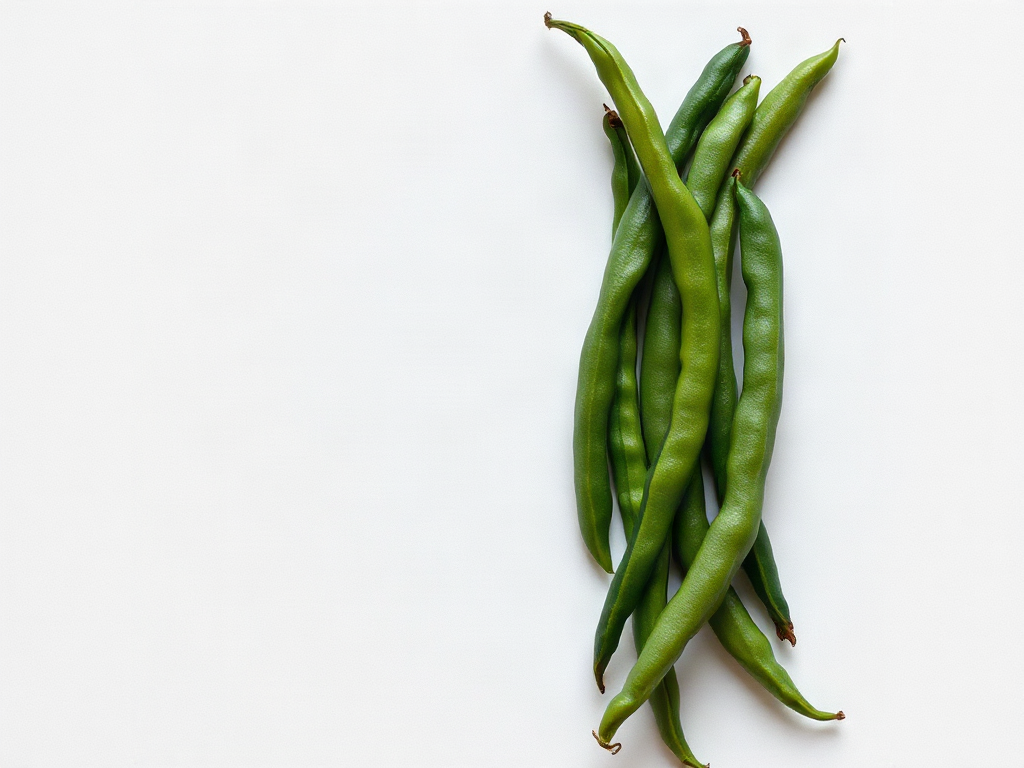
A practical serving of organic green beans is about 1 cup raw or 1/2 to 1 cup cooked, with the best portion depending on whether they are a snack, side dish, or main vegetable. Green beans are low in calories and provide fiber, vitamin C, vitamin K, folate, and potassium, although exact amounts change with serving weight and preparation. Steaming or brief sautéing limits water exposure, while boiling can reduce some water-soluble vitamins. Organic certification addresses farming practices, not guaranteed nutrient superiority, so freshness, cooking method, added sodium, and portion size matter more when evaluating nutrition.
What Counts as a Serving of Green Beans?
A green bean serving changes with the purpose of the meal. About 1 cup raw works well for measuring a full vegetable portion, while 1/2 cup cooked is a realistic side serving when several vegetables are on the plate. A larger cooked portion of approximately 1 cup may make sense when green beans are the meal’s primary vegetable. Appetite, energy needs, and the rest of the menu should determine the final amount rather than a rigid universal portion.
Volume measurements are convenient but imperfect. Whole beans leave air spaces in a measuring cup, cut beans settle more tightly, and cooked beans lose firmness and pack differently. Depending on length, trimming, and packing, a cup of raw beans may weigh roughly 100 to 125 grams. A kitchen scale gives a more consistent comparison when someone is tracking nutrients closely, but ordinary household cups are adequate for meal planning.
| Form | Practical Amount | Useful Context |
|---|---|---|
| Raw, whole or cut | About 1 cup | A full vegetable portion or crunchy snack component |
| Cooked | About 1/2 cup | A modest side when the meal includes other vegetables |
| Cooked | About 1 cup | A substantial side or the main vegetable on the plate |
| Canned | About 1/2 to 1 cup, drained | Measure after draining; check sodium on the label |
The common mistake is treating every listed serving as nutritionally interchangeable. A half-cup of beans prepared with butter, bacon, or a salty sauce has a different calorie, saturated-fat, and sodium profile from the same amount steamed without additions. Likewise, a restaurant portion may be larger than a household serving and may contain more cooking fat than its appearance suggests.
For a balanced plate, pair green beans with a meaningful protein and an energy-providing food. Examples include green beans with baked tofu and brown rice, or with fish and roasted potatoes. Green beans contribute bulk, fiber, and micronutrients, but they are not a concentrated protein or calorie source. A serving is working well when it adds satisfying vegetable volume without displacing foods needed for protein, essential fats, and adequate energy.
Which Nutrients Do Organic Green Beans Provide?
Green beans provide a low-calorie combination of carbohydrate, fiber, and several vitamins and minerals. A cup of raw beans generally contains only a few dozen calories, along with modest amounts of protein and naturally occurring sugar. Exact values vary with weight, cultivar, maturity, storage, and the nutrient database used, so a weighed serving or product label is the better reference when precision matters.
Fiber is one of their most practical contributions. Because the pods are eaten whole, green beans supply both edible plant structure and water, which can add volume to a meal. Their fiber may contribute to digestive regularity and fullness as part of an eating pattern that includes enough fluid and a variety of plant foods. Increasing portions abruptly can cause discomfort for some people, especially if their usual diet is low in fiber.
Vitamin C and folate are water-soluble nutrients found in green beans. Vitamin C also responds to heat and prolonged storage, which is why freshly cooked beans and long-boiled beans should not be assumed to have identical values. Green beans also contain vitamin K, a nutrient involved in normal blood clotting, plus smaller contributions of potassium and other minerals. People taking warfarin or another vitamin K-sensitive medicine should seek individualized guidance before making major, repeated changes to their intake of vitamin K-containing vegetables; consistency is generally more relevant than avoiding a nutritious food without professional advice.
The word organic describes production and certification practices. It does not guarantee that every organic bean contains more vitamins or minerals than every conventionally grown bean. Soil, variety, harvest timing, transport, and storage can all influence nutrient quality, and differences between two batches may matter more than the certification label. Choosing organic may reflect preferences about agricultural methods, but it should not be presented as a reliable shortcut to greater nutrient density.
Freshness and actual consumption deserve priority. Crisp conventional beans eaten regularly may provide more practical nutritional value than organic beans that are purchased at a premium, stored too long, and discarded. When the organic option fits the budget, inspect it for firm pods, even color, and minimal bruising. When it does not, conventional fresh, plain frozen, or lower-sodium canned green beans can still contribute useful nutrients and vegetable variety.
How Does Preparation Change Green Bean Nutrition?
Preparation changes green beans through heat, water exposure, moisture loss, and added ingredients. Steaming and microwaving use little water and can preserve texture while limiting the opportunity for water-soluble nutrients to move into discarded cooking liquid. Brief sautéing also avoids immersion, although the oil added to the pan increases calories. These methods are not automatically “better”; the useful choice is the one that produces beans people will eat without excessive salt or fat.
Boiling softens the pod and may make green beans easier to chew, but long boiling encourages vitamin C and folate losses through heat and leaching. If boiling is preferred, use only enough time to reach the desired tenderness rather than cooking until the beans become dull and mushy. Adding the beans to soup or stew retains the cooking liquid, so nutrients that move into the broth are not necessarily discarded.
Roasting concentrates flavor by driving off moisture. The beans may appear smaller after cooking even though the starting quantity has not changed, which can make volume-based comparisons misleading. A teaspoon or tablespoon of oil spread across a pan is different from pouring oil without measuring; both can make the surface brown, but the latter may add far more energy than expected. Measure oil before tossing if calorie consistency is a priority.
Frozen plain green beans are a useful alternative when fresh quality is poor or preparation time is limited. They are commonly processed near harvest and can go directly into a steamer, skillet, soup, or casserole. Their softer texture is not evidence that they lack nutrition. The more relevant checks are whether the package contains a sauce, how much sodium or saturated fat that sauce contributes, and whether the beans have developed freezer burn from poor storage.
Canned beans offer the longest pantry life but require closer label reading. Sodium can vary substantially among regular, reduced-sodium, and no-salt-added products. Draining removes the packing liquid, and rinsing may remove some surface sodium, but neither step makes all products identical. Compare sodium per serving, servings per container, and the drained portion actually eaten. A common failure is checking the front-label claim while overlooking that the household consumes two labeled servings at once.
A simple preparation sequence keeps the focus on flavor and texture:
- Trim damaged ends and rinse the pods under running water.
- Choose brief steaming, microwaving, roasting, or sautéing based on the desired texture.
- Season after tasting, using lemon, garlic, herbs, pepper, or a measured amount of oil.
- Refrigerate leftovers promptly rather than leaving cooked beans at room temperature for extended periods.
Choosing, Storing, and Serving Green Beans
Good green beans should feel firm enough to hold their shape, with limited shriveling, dark wet spots, or visible decay. Very mature pods can be tougher and may contain more developed seeds, while slender beans often cook quickly. Size alone does not establish nutritional quality, so select the texture and flavor that suit the intended dish.
Keep unwashed fresh beans refrigerated in a breathable or loosely closed produce bag, then wash them shortly before preparation. Washing before storage can leave surface moisture that encourages deterioration. If the beans become limp but show no spoilage, they may still work in soup or a braised dish where crispness is less important. Beans with slime, mold, or an objectionable odor should be discarded rather than rescued through cooking.
Meal context determines whether a serving is nutritionally complete. A bowl containing only green beans may be bulky but short on protein and total energy. For lunch, combine cooked beans with chickpeas, tomatoes, whole grains, and a dressing. For dinner, serve them beside eggs, poultry, fish, tempeh, or lentils and add a starchy food if appropriate. Nuts, seeds, olive oil, or tahini can add flavor and energy, but their portions matter because they are much more calorie-dense than the beans.
For children or people with chewing difficulty, cook the beans until tender and cut them into manageable pieces. Whole, firm beans can be awkward for inexperienced eaters, and portion needs vary widely by age and appetite. Nutrition tables designed for adults should not be treated as personalized feeding instructions. Anyone managing swallowing problems, kidney disease, medication interactions, or a prescribed diet should use guidance from a qualified clinician or dietitian.
Budget also affects the best format. Organic fresh beans may cost more and have a short usable window. Organic frozen beans reduce trimming and waste, while canned versions provide convenience when refrigeration is limited. Compare the edible amount rather than package price alone: fresh beans require trimming, frozen beans are usually ready to cook, and canned beans include liquid that is drained away.
Use a short priority check when deciding what to buy: choose beans that fit the budget, are likely to be eaten before spoiling, contain no unwanted sauce, and suit the available cooking time. Signs the choice is working include minimal waste, appealing texture, and regular use in balanced meals. Repeated spoilage, dependence on heavy sauces, or portions that leave the meal lacking protein indicate that the buying or serving plan needs adjustment.
Conclusion
Portion green beans according to their role on the plate: roughly 1/2 cup cooked for a smaller side, or closer to 1 cup when they are the principal vegetable. Measure by weight when accuracy matters, because whole, cut, raw, and cooked beans occupy cups differently. Favor brief cooking for a firmer texture, and account for oil, butter, sauces, and sodium rather than judging the beans alone.
Organic certification can guide purchasing preferences, but freshness, affordability, storage life, and actual use are stronger day-to-day nutrition priorities. Choose fresh beans when quality is good, frozen beans when convenience reduces waste, and canned beans when pantry stability matters. Pair the serving with protein and an appropriate source of energy, then adjust future portions based on appetite, meal balance, and how much food is being discarded.
Frequently Asked Questions
How many green beans are in one serving?
Bean size varies too much for an exact count. Measure about 1 cup raw or 1/2 to 1 cup cooked; use weight when consistent nutrient tracking is necessary.
Are organic green beans more nutritious than conventional beans?
Organic certification does not guarantee higher nutrient levels. Variety, freshness, storage, preparation, and the amount eaten can have greater practical influence on nutritional value.
Are frozen organic green beans nutritious?
Plain frozen green beans retain useful fiber and micronutrients and can be a convenient substitute for fresh beans. Check whether sauces add sodium, saturated fat, or sugar.
Should canned green beans be rinsed?
Draining and rinsing can remove some surface sodium. The product’s sodium label still matters, especially when more than one listed serving is eaten.
What is the healthiest way to cook green beans?
Brief steaming, microwaving, or sautéing preserves texture and avoids prolonged water exposure. The healthiest practical method also limits excessive salt and added fat while producing beans you enjoy.