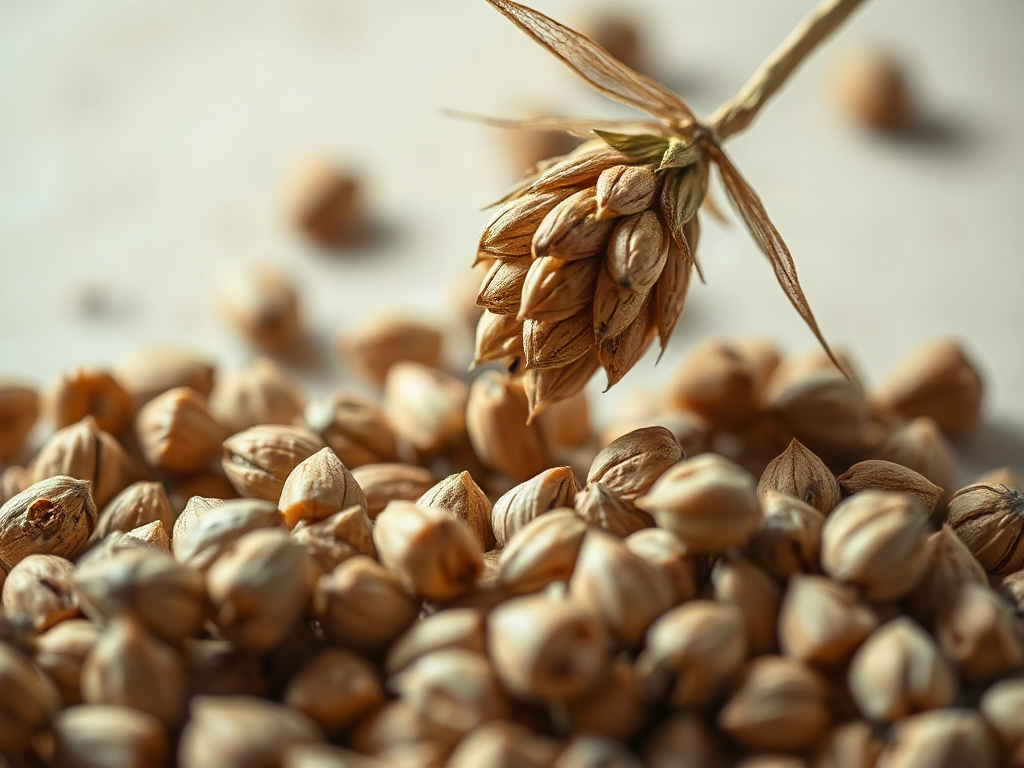
Hemp hearts provide concentrated nutrition, with protein and omega fats packed into a small serving of shelled hemp seeds. A typical three-tablespoon serving supplies about 10 grams of protein and 15 grams of fat, including omega-6 linoleic acid and omega-3 alpha-linolenic acid, although labels vary by brand. Their protein contains all nine essential amino acids, but hemp hearts should complement rather than automatically replace higher-protein foods in a meal. Choose plain products, check serving size and storage directions, and refrigerate them after opening when recommended because their unsaturated fats can develop stale or rancid flavors.
What Nutrients Do Hemp Hearts Provide?
Hemp hearts are the tender inner portion of hemp seeds after the hard outer hull has been removed. Removing that hull creates a soft, mildly nutty food that is easy to scatter over meals, but it also changes the nutritional profile: shelled seeds generally contain less fiber than intact hemp seeds because much of the fibrous covering is gone.
Most of their energy comes from fat, followed by protein. A common three-tablespoon serving, often listed as approximately 30 grams, provides roughly 180 calories, 15 grams of fat and 10 grams of protein. Those figures are useful reference points rather than universal specifications. Cultivar, processing, serving weight and brand testing can produce different label values, so the package in hand is the best source for comparing products.
| Nutritional feature | Typical role | Practical interpretation |
|---|---|---|
| Protein | Provides amino acids used to build and maintain body proteins | Substantial for a seed, but a small topping may not supply enough for a protein-centered meal |
| Unsaturated fat | Supplies essential fatty acids and concentrated energy | Useful in meals, but portions matter when total calories are a concern |
| Magnesium and phosphorus | Participate in numerous structural and metabolic functions | Amounts should be checked on a product label or reliable nutrient database |
| Fiber | Supports normal digestive function | Hemp hearts contain less than whole, unshelled seeds and should not be treated as a major fiber source |
Hemp hearts also contain minerals such as magnesium, phosphorus, zinc and iron. Their presence does not mean every serving meets a large share of an individual’s needs, nor does it establish that all of each mineral will be absorbed. Mineral absorption is influenced by the complete meal, a person’s nutritional status and naturally occurring seed compounds. A varied diet remains more dependable than expecting one ingredient to cover multiple requirements.
A frequent mistake is treating the words “nutrient dense” as permission to pour without measuring. The fats make hemp hearts energy dense, so a casual heap can be considerably larger than the labeled serving. Measuring two or three tablespoons at first clarifies how much is being added. If the goal is more fiber, combine them with oats, berries, beans or chia rather than assuming shelled hemp seeds fill that role alone.
How Much Protein Is in Hemp Hearts?
Hemp hearts are a useful plant-protein ingredient, particularly when several tablespoons are eaten rather than used as a light garnish. Many products list close to 10 grams of protein per three tablespoons. One teaspoon sprinkled over a salad contributes far less, which explains why perceived use and actual protein intake can diverge.
Hemp protein includes all nine amino acids that humans must obtain from food. That makes it accurate to describe hemp as containing the essential amino acids, but “complete protein” can be misunderstood as meaning that every amino acid occurs in an ideal amount for every purpose. Hemp tends to provide less lysine relative to some animal proteins and legumes. Protein quality also reflects digestibility, serving size and the rest of the diet—not merely whether all essential amino acids are detectable.
For a practical breakfast, three tablespoons stirred into oatmeal can add meaningful protein, while soy milk or Greek yogurt may raise the meal’s total further. At lunch, hemp hearts can complement chickpeas in a grain bowl: the legumes contribute lysine, while the seeds add protein, fat and texture. People eating varied diets do not generally need to pair proteins with precision at every sitting, but combining different plant foods across the day broadens the amino-acid supply.
The best comparison depends on the job the food needs to do. Hemp hearts are less protein concentrated than many protein powders because much of their weight is fat. They are also typically less protein dense per calorie than lean poultry, fish, seitan or low-fat dairy. In return, they provide an intact-food texture and unsaturated fats that an isolated protein product may lack. Someone seeking maximum protein with minimal energy may prefer a leaner food; someone wanting a compact mixture of protein and fats may find hemp hearts more suitable.
Use the nutrition label to avoid a common serving error. First confirm whether the stated amount is measured in tablespoons or grams, then note the protein for that exact portion. Add hemp hearts to a meal that already has a clear protein foundation if protein intake is the priority. A bowl containing fruit, hemp hearts and water may still be modest in protein, whereas yogurt, tofu or fortified soy milk creates a stronger base.
Which Omega Fats Do Hemp Hearts Contain?
The principal polyunsaturated fats in hemp hearts are omega-6 linoleic acid and omega-3 alpha-linolenic acid, commonly abbreviated LA and ALA. Both are essential fatty acids because the body cannot synthesize them in adequate amounts. Hemp also contains smaller quantities of other fats, including gamma-linolenic acid in variable amounts.
ALA is a plant-based omega-3, but it is not interchangeable with the long-chain omega-3 fats EPA and DHA found in fish, seafood and algal products. The body can convert ALA into EPA and then DHA, yet that conversion is limited and varies among people. Hemp hearts can therefore contribute to ALA intake without being described as an equivalent replacement for a direct EPA or DHA source.
The omega-6 content is normally higher than the omega-3 content. This balance is sometimes reduced to a single “ideal ratio,” but evaluating the whole diet is more useful than judging one food in isolation. Linoleic acid has normal biological roles, and the relevant questions include total dietary pattern, which fats are being replaced and whether direct EPA or DHA sources are needed. Adding hemp hearts to a diet while leaving every other food unchanged is different from using them in place of butter, a sugary topping or a heavily salted garnish.
For example, blending hemp hearts into a smoothie adds ALA, protein and creaminess. It does not turn the drink into a direct source of marine omega-3 fats. A person who avoids fish may consider foods or supplements made with algae after discussing individual needs with a qualified clinician, particularly during pregnancy or when managing a medical condition. Hemp hearts themselves should not be presented as a treatment for cardiovascular, inflammatory or other diseases.
Heat and oxygen deserve attention because polyunsaturated fats are susceptible to oxidation. Hemp hearts work especially well in oatmeal after cooking, cold cereal, yogurt, dips and finished vegetables. Brief exposure to moderate cooking heat is not the same as repeatedly using hemp oil for high-temperature frying, but gentle or no-heat applications preserve flavor and reduce unnecessary stress on the fats. A paint-like, bitter or distinctly stale odor suggests deterioration rather than normal nuttiness.
How to Choose, Store, and Use Hemp Hearts
A good hemp-heart purchase starts with a plain ingredient list, a usable package size and clear freshness information. Organic certification may matter to shoppers who prioritize particular production standards, but it does not inherently raise the protein or omega-fat content. Nutrition labels are more informative for comparing serving weight, protein, fat, sodium and any added ingredients.
Flavored seed mixtures can contain sweeteners, salt or oils that substantially change how the product fits into a meal. Likewise, hemp protein powder is not nutritionally identical to hemp hearts. Powder processing usually removes some fat and concentrates protein, while whole hemp hearts retain more of their natural oil. Hemp seed oil supplies fat but very little protein. Choose by intended use rather than treating all hemp products as substitutes.
A compact purchasing and use check prevents the most common problems:
- Match the form to the goal. Select hearts for texture and combined protein-fat nutrition, powder for more concentrated protein, or oil when only a culinary fat is wanted.
- Compare equal weights. Tablespoon sizes and serving conventions differ, while grams make labels easier to compare.
- Buy an amount you will finish. A large discount package offers poor value if the fats become stale before use.
- Protect the opened product. Reseal it tightly and follow the manufacturer’s refrigeration instructions.
- Check aroma before serving. Fresh hearts should smell mild and nutty, not sharply bitter, musty or paint-like.
For daily use, start with one or two measured tablespoons and adjust according to the meal, label and personal energy needs. Stirring them into oatmeal adds richness without much crunch. Blending them with white beans, lemon and herbs can produce a creamy spread, while adding them to roasted vegetables after cooking preserves their delicate flavor. They can also replace part of the nuts in pesto, although the result may be softer and less crisp.
Signs that the approach is working are practical: the product is finished while still fresh, the serving fits the intended meal, and the rest of the plate supplies what hemp lacks, such as fruit, vegetables, whole grains or a larger protein portion. Warning signs include relying on a token sprinkle as the meal’s only protein, overlooking total calories, or storing an open bag beside a warm stove for months. Anyone with a seed allergy, a prescribed diet, digestive sensitivity or a condition requiring careful nutrient management should seek individualized advice rather than relying on a general serving suggestion.
Conclusion
Hemp hearts fit best as a measured, versatile addition rather than a nutritional shortcut. Check the package serving weight first, especially when comparing protein and fat across brands. Use several tablespoons when you want a meaningful protein contribution, and pair them with legumes, soy, dairy or another substantial protein when building a full meal. Their ALA adds a plant-based omega-3, but it should not be confused with direct EPA and DHA sources.
Choose plain hemp hearts when you want control over salt and sweeteners, then store the opened package away from heat, light and air. Refrigeration is a sensible default when the manufacturer recommends it. A practical next step is to measure one normal serving into oatmeal, yogurt or a grain bowl and assess how it affects the meal’s protein, energy and texture rather than judging the ingredient by a token sprinkle.
Frequently Asked Questions
Are hemp hearts a complete protein?
They contain all nine essential amino acids, but their amino-acid proportions and digestibility still matter. Combining hemp hearts with legumes, soy foods, dairy or other protein sources can create a more substantial meal.
How many hemp hearts should you eat at one time?
Many labels define a serving as about three tablespoons, but the appropriate amount depends on the meal and individual energy needs. Measure the portion and use the specific package label for its nutrient values.
Do hemp hearts contain EPA and DHA omega-3 fats?
Hemp hearts primarily provide ALA, a plant omega-3. They are not a direct dietary source equivalent to the EPA and DHA supplied by seafood or algae-derived products.
Are hemp hearts high in fiber?
Not compared with many intact seeds because the fibrous hull has been removed. Pair them with beans, berries, vegetables, oats or other whole grains when fiber is a priority.
Do hemp hearts need to be refrigerated?
Storage instructions vary, but refrigeration after opening commonly helps protect their delicate unsaturated fats. Keep the package tightly sealed and discard seeds with a distinctly rancid or stale smell.