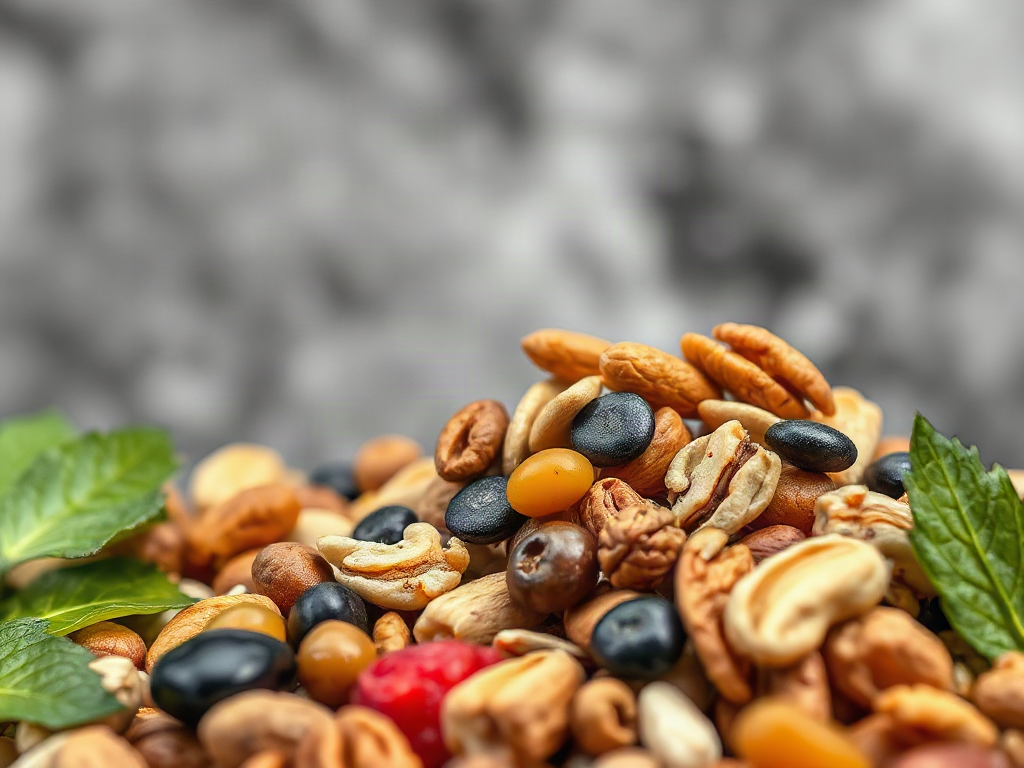
Trail mix nutrition depends on ingredient balance and portion control because nuts, seeds, dried fruit, chocolate, and added oils contribute very different amounts of protein, fiber, sugar, sodium, and calories. A practical mix uses nuts and seeds as its base, adds a smaller amount of unsweetened dried fruit, and treats candy or sweetened pieces as accents rather than equal components. Measure a serving into a bowl or container instead of eating from the package, since the mix is compact and easy to overconsume. Adjust the portion and carbohydrate content for the situation, whether it is a desk snack, a long hike, or post-exercise food.
What Determines Trail Mix Nutrition?
A trail mix is nutritionally defined by its proportions, not merely by the ingredients listed on the front of the package. Nuts and seeds generally provide unsaturated fats, protein, fiber, and minerals, while dried fruit supplies concentrated carbohydrate and varying amounts of fiber and micronutrients. Chocolate, yogurt-flavored coatings, sweetened cereal, and candy can raise added sugar. Salted nuts, pretzels, and seasoned snack pieces can substantially increase sodium.
Concentration is the central issue. Removing water from fruit makes it smaller and more energy-dense by volume than fresh fruit, even though dried fruit can retain useful nutrients. Nuts are similarly compact because much of their energy comes from fat. Neither ingredient is inherently a poor choice, but combining several concentrated foods creates a snack in which a small handful may contain more energy than its size suggests.
Ingredient order offers an initial quality check because packaged-food ingredients are listed by weight. A product beginning with peanuts, almonds, or seeds usually has a different nutritional profile from one beginning with sweetened cranberries, candy pieces, or sugar-coated cereal. The Nutrition Facts label then shows whether that impression holds up. Compare the labeled serving size with the amount you would realistically eat, and check calories, protein, fiber, added sugars, saturated fat, and sodium.
For example, two mixes may both feature cranberries and almonds on the package. One may consist mostly of nuts with a modest amount of unsweetened fruit; the other may use sweetened cranberries, chocolate drops, and flavored clusters as major ingredients. The second mix is closer to a sweet snack even though it contains recognizable whole foods. A “natural,” “energy,” or “protein” label does not resolve that difference.
The common mistake is judging each component in isolation. Almonds may be nutrient-dense and raisins may provide carbohydrate, but a mix containing large quantities of both still requires portion awareness. Evaluate the complete serving rather than assuming that several nutritious ingredients automatically produce an appropriately balanced snack.
How Should Trail Mix Ingredients Be Balanced?
A useful everyday mix places minimally processed nuts and seeds at the center, uses dried fruit for sweetness and carbohydrate, and limits confectionery ingredients to a supporting role. This structure tends to provide more protein, fiber, and fat than a fruit- or candy-heavy blend, which may make the snack more substantial without turning every bite into concentrated sugar.
A practical starting formula is roughly two parts nuts or seeds to one part dried fruit by volume. This is a kitchen method rather than a medical prescription, and individual needs differ. Walnuts, almonds, peanuts, pistachios, pumpkin seeds, and sunflower seeds can form the base. Raisins, chopped apricots, dates, cherries, or cranberries can supply sweetness; check whether sugar appears in the fruit’s ingredient list because tart fruits are often sweetened.
Texture and flavor matter because an unappealing blend will not remain a practical choice. Toasted seeds can add crunch, cinnamon can provide flavor without sugar, and a small quantity of dark chocolate pieces can make a homemade mix satisfying. Whole-grain cereal or plain popcorn may add volume, although these ingredients can soften during storage. Coconut contributes flavor and fat, but sweetened coconut changes the sugar profile.
Consider this simple batch: two cups of mixed almonds, peanuts, and pumpkin seeds; one cup of raisins and chopped unsweetened apricots; and a quarter cup of dark chocolate pieces. Someone wanting less sweetness could replace part of the fruit with additional seeds. Someone preparing food for sustained outdoor activity might keep more dried fruit because rapidly available carbohydrate can be useful during prolonged movement.
A compact ingredient checklist keeps the balance visible:
- Base: Choose mostly nuts and seeds, preferably with little added salt or sugar.
- Fruit: Use enough for flavor and carbohydrate without allowing it to dominate the blend.
- Extras: Keep chocolate, candy, coatings, and sweet clusters smaller than the core ingredients.
- Allergens: Account for peanuts, tree nuts, sesame, dairy, and shared-equipment warnings.
The main failure mode is adding multiple “small” sweet extras that collectively become a major share of the mix. Sweetened fruit, chocolate, granola clusters, and yogurt-coated pieces may each look minor, yet together they can displace the nuts and seeds. Count all sweetened components as part of the same category when adjusting a recipe.
How Much Trail Mix Is a Serving?
The appropriate amount depends on the recipe, the eating occasion, and the person’s broader energy needs, so the package serving should be treated as a reference rather than a universal prescription. Many products identify a modest fraction of a cup or a weight in grams. The gram amount is the more reliable comparison because whole nuts, chopped fruit, cereal, and small seeds settle differently in a measuring cup.
Start by weighing or measuring the labeled serving once. That brief calibration shows what the amount looks like in your usual bowl, hand, or reusable container. When a food scale is unavailable, use a consistent small container rather than estimating from a large bag. Visual estimation becomes less dependable when eating while driving, working, or walking because there is no clear stopping point.
| Eating Situation | Portion Approach | Primary Adjustment |
|---|---|---|
| Desk or between-meal snack | Pre-portion one labeled serving or less | Favor nuts, seeds, and limited sweetened extras |
| Long hike or endurance activity | Pack several separate servings | Allow more dried fruit or cereal for carbohydrate |
| Snack alongside yogurt or fresh fruit | Use a smaller topping portion | Let the other food provide volume |
| Shared household container | Divide the batch after mixing | Label portions and allergen information |
Pre-portioning is especially useful because ingredient distribution changes inside a bag. Small chocolate pieces and seeds settle toward the bottom, while larger nuts remain near the top. Grabbing repeated handfuls may therefore produce a different nutritional mix each time. Stir a homemade batch thoroughly before dividing it into containers so each portion resembles the intended recipe.
Hunger after a portion does not automatically mean another portion of trail mix is the best response. The snack is dry and compact, so pairing it with water and a higher-volume food such as an apple, orange, vegetables, or plain yogurt may be more satisfying for routine eating. During strenuous activity, however, compactness is an advantage because food must be portable and easy to consume.
A portion-control approach is failing when the bag repeatedly disappears without awareness, the mix replaces meals without enough variety, or sweetened pieces are consistently selected while nuts remain behind. Smaller packages can help, but buying single servings often costs more. Dividing a larger bag at home usually provides the same boundary with less packaging and better control over the blend.
Choosing a Mix for the Situation
The best ingredient balance changes with the job the snack needs to perform. A person sitting through an afternoon meeting has different fuel demands from someone climbing for several hours. Using one blend for every setting can lead either to unnecessary energy intake during sedentary periods or too little readily available carbohydrate during prolonged exercise.
For an everyday snack, prioritize a nut-and-seed base, modest dried fruit, and restrained sodium. Protein and fiber may contribute to fullness, while fat slows the rate at which the snack is eaten and digested. Trail mix should still complement meals rather than act as a complete nutritional substitute; it typically lacks the water, volume, and range of foods found in a meal built from vegetables, whole grains, protein foods, and fresh fruit.
For hiking or sustained outdoor activity, portability and carbohydrate availability matter more. Dried fruit, pretzels, or plain cereal may be useful additions because they are easy to carry and eat. Hot conditions and heavy sweating may also change sodium needs, but a very salty mix should not be assumed necessary for every walk. Duration, exertion, weather, hydration, and individual medical considerations all affect that decision.
For children, older adults, or anyone with chewing or swallowing limitations, whole hard nuts and sticky dried fruit may be unsuitable. Ingredient size and texture deserve as much attention as nutrient composition. Nut allergies also make casual sharing risky; homemade mixes should be clearly labeled, and school or workplace rules may restrict certain ingredients. A seed-based mixture is not automatically allergen-free because sesame and other seeds can also trigger reactions.
Budget can influence the recipe without forcing a candy-heavy compromise. Peanuts, sunflower seeds, raisins, and store-brand whole-grain cereal often cost less than specialty nuts, freeze-dried fruit, and branded functional ingredients. Buying larger packages may reduce unit cost, provided the ingredients are stored airtight and used before they become stale or rancid. Make a smaller batch if household use is slow.
Choose by use case, then verify the label or recipe. Signs of a workable choice include a portion that fits the occasion, ingredients that remain evenly distributed, and a flavor profile that does not prompt constant grazing. Reconsider the mix when marketing claims outweigh ingredient evidence, sweetened components dominate, or the snack routinely leaves you either overly full or still searching for food.
Conclusion
A useful trail mix begins with a clear purpose. Build a nut-and-seed-forward blend for routine snacks, then adjust dried fruit, cereal, salt, or chocolate according to activity demands, taste, and dietary constraints. Read ingredient order alongside the Nutrition Facts label, since wholesome-looking packaging cannot reveal which components dominate.
Measure the labeled amount once so future portions have a realistic visual reference, and divide large batches before hunger or distraction makes the decision. Pairing a compact serving with fresh fruit, yogurt, vegetables, or water can make more sense than repeatedly reaching into the bag. For the next purchase or homemade batch, check three points first: whether sweetened extras outweigh core ingredients, whether the serving fits the occasion, and whether allergens, texture, sodium, and storage needs suit the people who will eat it.
Frequently Asked Questions
Is trail mix healthy for everyday snacking?
It can fit an everyday eating pattern when nuts and seeds form the base, sweetened ingredients remain limited, and the portion matches the eating occasion. Its compact energy content makes measuring more useful than eating directly from a large package.
Should nuts or dried fruit make up more of the mix?
For routine snacking, using more nuts and seeds than dried fruit generally produces a mix with less concentrated sweetness and more protein and fat. Longer-duration activity may justify a larger dried-fruit share for accessible carbohydrate.
Does unsweetened dried fruit contain sugar?
Yes. Fruit naturally contains sugar, and drying removes water, concentrating the fruit into a smaller volume. “Unsweetened” means no sugar was added; it does not mean the product is sugar-free.
How can trail mix be made more filling?
Use a nut-and-seed-forward recipe and pair a measured portion with water and a higher-volume food such as fresh fruit or plain yogurt. Adding more candy or dried fruit increases energy without necessarily improving fullness.
What should I check on a packaged trail mix label?
Check the serving weight, ingredient order, added sugars, sodium, saturated fat, protein, fiber, and allergen statement. Compare products using similar gram amounts rather than assuming their listed servings are equivalent.