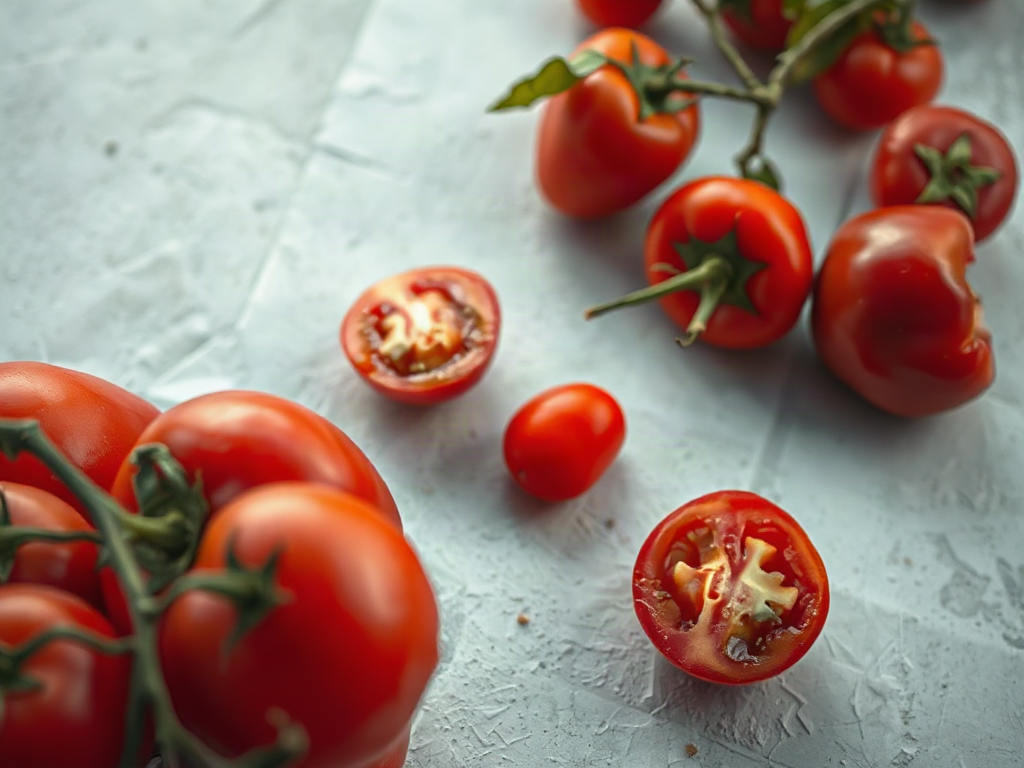
Peppers generally provide considerably more vitamin C per serving than organic tomatoes, especially when the comparison involves ripe red, yellow, or orange bell peppers. Variety, ripeness, serving size, storage time, and cooking method can change the amount in either vegetable, while the organic label alone does not guarantee a higher vitamin C concentration. Raw peppers are usually the stronger choice when vitamin C is the main priority; tomatoes remain useful for their flavor, lycopene, potassium, and versatility. For the best retention, choose firm, fresh produce, refrigerate it appropriately, and limit prolonged boiling or holding after cutting.
Which Has More Vitamin C: Tomatoes or Peppers?
Bell peppers usually contain more vitamin C than tomatoes when equal raw weights are compared. The difference is large enough that changing the serving size slightly rarely changes the ranking. A modest portion of sliced bell pepper can supply more vitamin C than a substantially larger portion of fresh tomato.
Approximate food-composition values illustrate the scale of the difference. Exact numbers vary by cultivar, maturity, growing conditions, sample, and database entry, so they are better treated as comparison ranges than promises about an individual vegetable.
| Raw food | Approximate vitamin C per 100 g | Practical interpretation |
|---|---|---|
| Red bell pepper | About 125–130 mg | A concentrated food source, even in a partial pepper |
| Green bell pepper | About 75–85 mg | Lower than ripe red pepper but still well above tomato |
| Fresh tomato | About 13–15 mg | A useful contributor, especially when eaten regularly |
Color matters because a green bell pepper is generally an earlier stage of the same fruit that may later become red, yellow, or orange, depending on the cultivar. As peppers mature, their nutrient profile changes. Ripe red peppers commonly provide more vitamin C than green ones, although the exact result depends on the variety and how long the pepper remains on the plant.
Tomato type also affects the comparison. Cherry, plum, beefsteak, and other tomatoes differ in water content, solids, maturity, and nutrient concentration. Even so, selecting a particularly flavorful or ripe tomato should not be expected to close the typical vitamin C gap with bell pepper.
A common mistake is comparing one whole tomato with one whole pepper. Individual produce items differ widely in weight, so that method can produce a misleading result. Compare equal weights for nutrient density or compare the portions that will actually be eaten. Someone adding half a red pepper to a salad may obtain more vitamin C from that ingredient than from several tomato slices, while the tomatoes contribute different flavors, textures, and plant compounds.
The practical implication is not that tomatoes are nutritionally unimportant. Tomatoes provide vitamin C alongside carotenoids such as lycopene, and they fit meals that may not suit raw peppers. Choose peppers when concentrating vitamin C is the goal, but use both when variety, taste, and a broader mixture of nutrients matter.
Does Organic Production Change Vitamin C Content?
An organic label describes an agricultural production system; it does not certify a particular vitamin C level. Two organic peppers can differ from each other, and a conventionally grown pepper may contain more or less vitamin C than an organic example. Cultivar, maturity at harvest, weather, soil conditions, handling, and time since harvest can all influence the measured concentration.
Research comparing organic and conventional crops sometimes reports differences in nutrient or plant-compound levels, but results are not uniform across crops, farms, seasons, or study methods. A finding from one tomato cultivar under one set of field conditions should not be treated as a dependable rule for every tomato sold as organic. The same caution applies to peppers.
For a shopper comparing organic tomatoes versus peppers for vitamin C, vegetable type remains a stronger practical signal than the production label. A fresh organic tomato does not ordinarily become a more concentrated vitamin C source than an organic bell pepper merely because both carry the same certification. Likewise, choosing conventional peppers instead of organic tomatoes would generally preserve the underlying pepper-versus-tomato ranking.
Organic produce may still be the preferred purchase for reasons unrelated to vitamin concentration, including farming priorities, availability from a local grower, or personal purchasing values. Those are legitimate decision factors, but they should remain separate from a claim that organic produce necessarily contains more vitamin C. Certification also does not remove the need to wash produce under clean running water before cutting or eating it.
Freshness deserves more attention than shoppers often give it. A firm pepper with taut skin and no soft, sunken areas is usually a better practical choice than one that has been stored until wrinkled, regardless of label. Tomatoes should feel appropriate for their variety and show no leaking, mold, or extensive breakdown. Appearance cannot reveal an exact nutrient amount, but deterioration signals that quality has declined.
The weak assumption to avoid is paying a premium solely because the word “organic” is treated as a vitamin guarantee. If the budget permits organic choices, compare condition, ripeness, intended use, and price within that category. If cost is restrictive, eating an adequate variety of vegetables is usually a more meaningful nutritional priority than abandoning peppers or tomatoes because the preferred production label is unavailable.
How Do Ripeness, Storage, and Cooking Affect Vitamin C?
Vitamin C is sensitive to oxygen, heat, water, and storage time, so handling after harvest can affect how much reaches the plate. Cutting exposes more surface area to air, while long cooking and extended holding provide additional opportunities for loss. These effects do not make cooked vegetables worthless, but they can narrow the amount retained from the original raw food.
Ripeness changes the starting point. A pepper allowed to mature from green to its final color often develops a different vitamin profile, which helps explain why ripe red peppers commonly outscore green peppers. Tomatoes also change as they ripen, though variety and post-harvest handling complicate any simple rule that the reddest tomato must contain the most vitamin C.
Storage should protect quality without creating avoidable waste. Refrigerate bell peppers and use them while they are still crisp. Whole tomatoes are often kept at room temperature while ripening for better texture and flavor, then refrigerated if necessary to slow further deterioration. Cut tomatoes and peppers should be promptly covered and refrigerated. These steps address both quality and food handling; they cannot preserve nutrients indefinitely.
Cooking method creates another meaningful tradeoff. Boiling chopped peppers or tomatoes in a large volume of water can move water-soluble vitamin C into the cooking liquid. If that liquid is discarded, some of the nutrient leaves with it. Steaming, microwaving, quick sautéing, or adding the vegetables late in cooking generally limits time and water exposure. In soups and stews, vitamin C may still decline with heat, but any nutrient that moves into the broth is not automatically discarded.
Raw red pepper strips with hummus, briefly sautéed peppers in a grain bowl, and freshly chopped pepper added after a bean dish leaves the heat are practical options. Tomatoes can be served raw in salads or salsa, but cooking them is not inherently a mistake. Heat can make lycopene more available from the tomato matrix, particularly when the tomato is eaten with some fat, even as vitamin C declines. That tradeoff supports using both raw and cooked preparations rather than treating one method as universally best.
A failing approach is buying produce for nutrient value and then leaving it unused until it softens or spoils. A slightly less nutrient-preserving cooking method that results in the food being eaten is more useful than an ideal raw serving that is discarded. Plan portions around realistic meals, cut only what is needed, and use aging produce promptly in sauces, soups, omelets, or roasted dishes.
How Should You Choose and Serve Tomatoes and Peppers?
Choose according to the meal and the nutrient priority rather than forcing every dish to feature the theoretical winner. Bell peppers are the efficient option when a person wants to add substantial vitamin C without a large serving. Tomatoes are often easier to incorporate into sauces, sandwiches, soups, and mixed dishes, and their regular use can still make a meaningful contribution to dietary variety.
A compact purchasing and preparation check keeps the comparison practical:
- Prioritize the vegetable type: select red, yellow, or orange bell pepper when vitamin C concentration leads the decision.
- Inspect condition: look for firm peppers and sound tomatoes without mold, leaks, deep bruising, or extensive shriveling.
- Buy a usable amount: a smaller quantity eaten while fresh is preferable to a bulk purchase that deteriorates.
- Match preparation to the goal: use raw or briefly cooked pepper for vitamin C retention, while keeping cooked tomatoes for flavor and lycopene-rich meals.
- Build variety: combine these foods with citrus, berries, broccoli, cabbage, or leafy vegetables instead of relying on one source.
For breakfast, chopped red pepper can be folded into eggs near the end of cooking, with tomato served fresh on the side. At lunch, a salad containing both vegetables offers pepper’s higher vitamin C density and tomato’s moisture and acidity. For dinner, a tomato-based bean stew can be topped with fresh diced pepper after cooking. These combinations avoid framing the decision as an all-or-nothing contest.
Serving context also matters. Vitamin C can increase the absorption of non-heme iron from plant foods during the same meal. Pairing peppers or tomatoes with lentils, beans, tofu, or iron-fortified grains may therefore be useful, although food choices should not be treated as a substitute for assessment or treatment of iron deficiency. Anyone with a diagnosed deficiency or a condition affecting nutrient absorption should seek individualized guidance from a qualified clinician.
Price and tolerance can change the best choice. Green peppers are often less expensive than ripe colored peppers and still contain substantial vitamin C. People who dislike raw pepper may prefer thin slices cooked briefly, while those who experience digestive discomfort may find peeled or cooked tomatoes easier to use. Allergies, reflux triggers, kidney-related dietary restrictions, and other medical needs can also override a simple nutrient comparison.
The sign that the approach is working is practical consistency: produce is being eaten before it spoils, meals include more than one plant food, and preparation fits the household’s schedule. Repeated waste, dependence on a single vegetable, or purchasing organic produce at the expense of an otherwise varied diet suggests the plan needs adjustment.
Frequently Asked Questions
Do red peppers contain more vitamin C than tomatoes?
Yes. Raw red bell peppers generally contain several times as much vitamin C by equal weight as raw tomatoes, although exact values vary with variety, ripeness, and storage.
Are organic tomatoes higher in vitamin C than conventional tomatoes?
Not reliably. Farming system may influence composition under particular conditions, but an organic label does not guarantee more vitamin C in an individual tomato.
Which pepper color is best for vitamin C?
Ripe red, yellow, and orange bell peppers are typically strong sources. Red peppers commonly provide more vitamin C than green peppers, but cultivar and maturity affect the result.
Does cooking destroy all the vitamin C in peppers and tomatoes?
No. Heat and water can reduce vitamin C, especially during prolonged boiling, but cooked vegetables can retain some. Quick cooking and using cooking liquid can limit waste.
Should tomatoes be replaced with peppers in a healthy diet?
No. Peppers are more concentrated in vitamin C, while tomatoes offer different culinary uses and compounds such as lycopene. Eating both provides greater variety.
Conclusion
Vitamin C concentration favors bell peppers, particularly ripe red and other colored varieties, but the smartest purchase is produce that fits the meal and will be eaten while fresh. Treat organic certification as a production choice rather than a nutrient guarantee, and compare condition, maturity, price, and intended preparation before buying.
Use raw or quickly cooked pepper when retaining vitamin C is the immediate priority. Keep tomatoes in the rotation for their flavor, lycopene, and usefulness in both fresh and cooked dishes. Store each vegetable appropriately, avoid unnecessary soaking or prolonged boiling, and incorporate cut produce before quality declines. A practical next step is to add sliced colored pepper to one meal that already includes tomatoes rather than replacing one vegetable with the other.